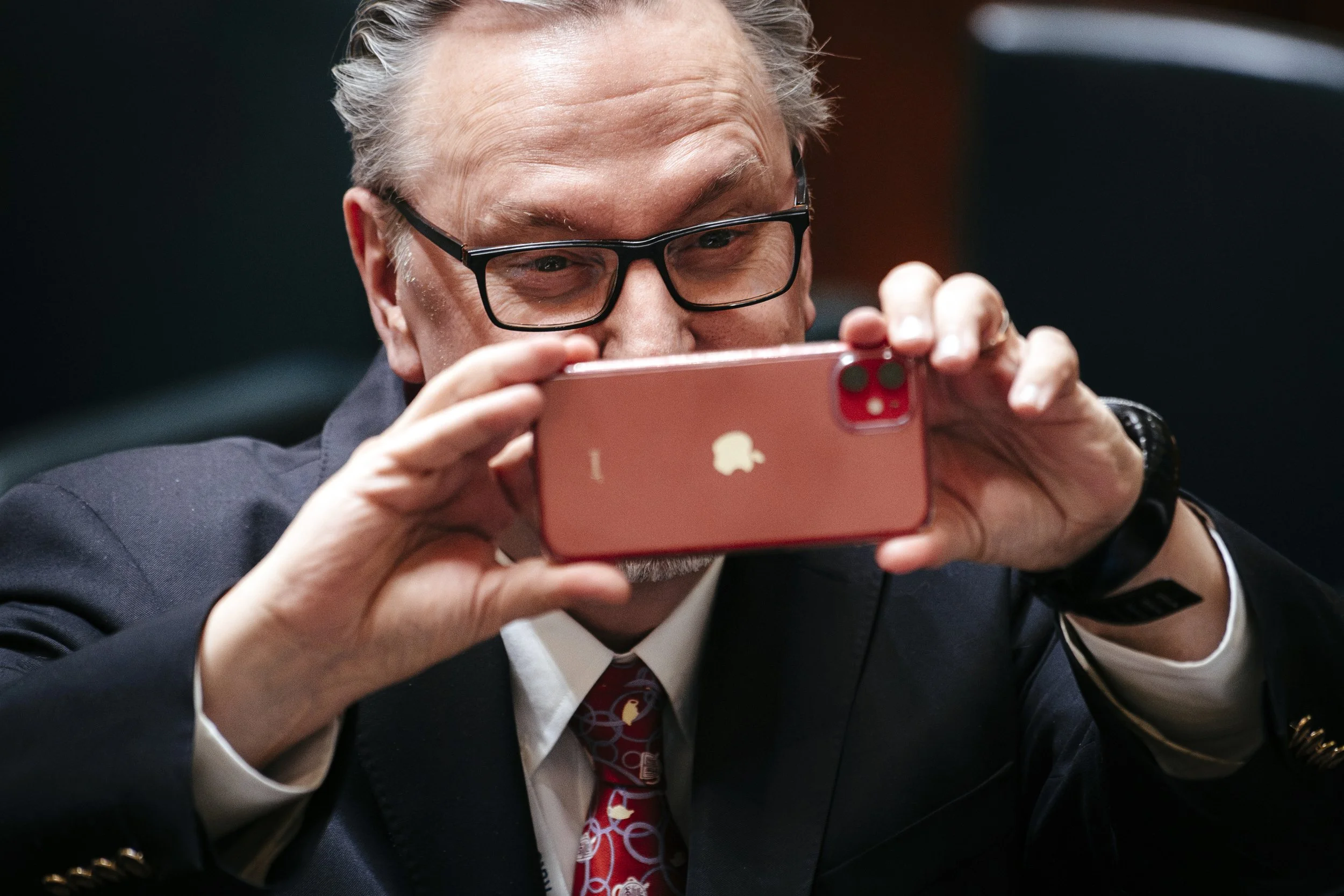
A government that always looks well rested
Finland’s national news agency may close its news and picture services after years of financial difficulties. Who will take over Lehtikuva’s work — and what could its loss mean for independent news photography and the photographic record we leave behind?
A photograph should not become a guessing game
As AI-assisted tools become part of ordinary image editing, the question is not whether photojournalism uses AI, but whether anyone can still say exactly what changed in the photograph. I spoke with Aikakausmedia about editing, provenance and trust in journalistic photography.
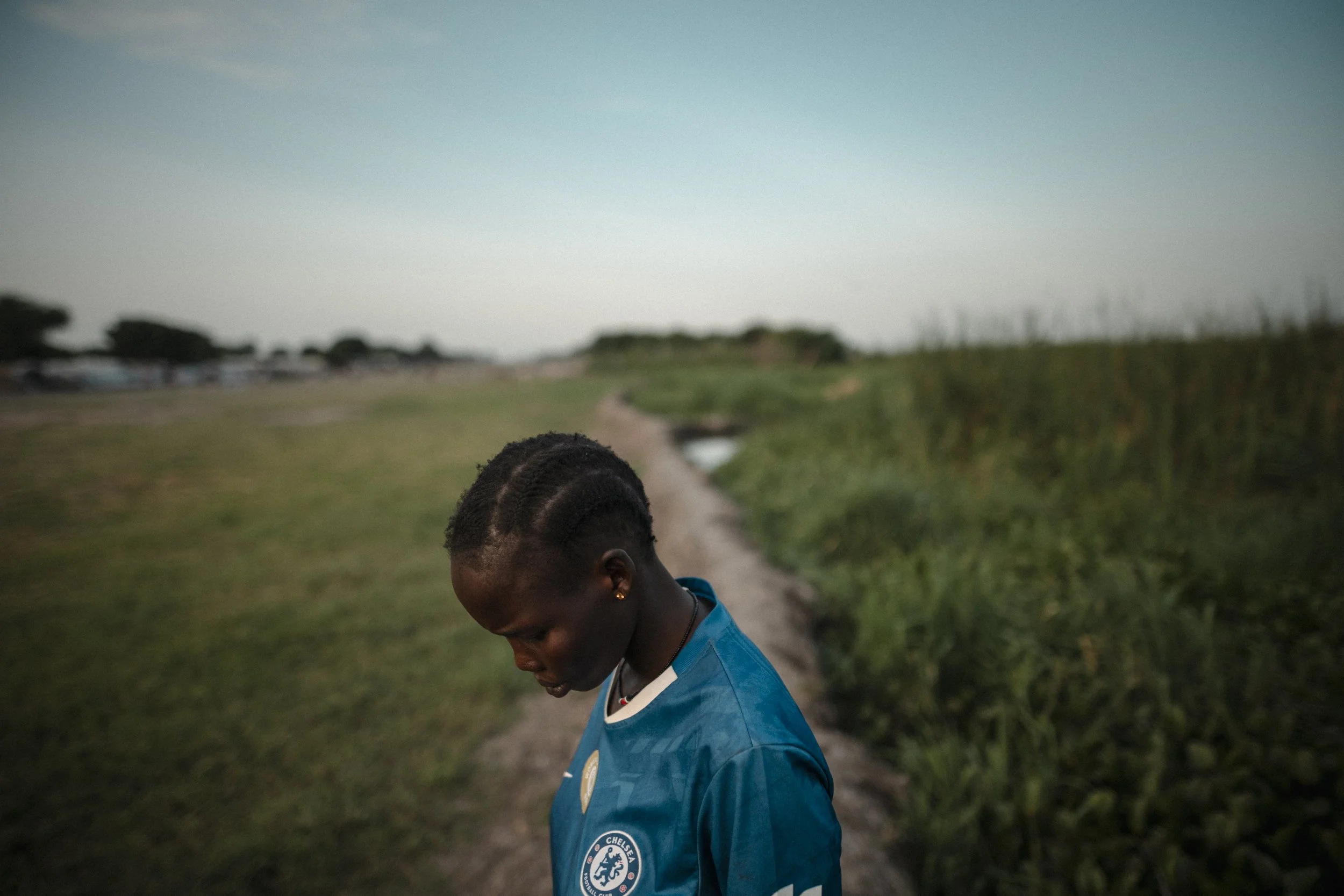
What the water permits
In Fangak County, floodwater has turned roads into waterways and school journeys into hours by canoe. Ordinary life keeps reorganising itself around the water.
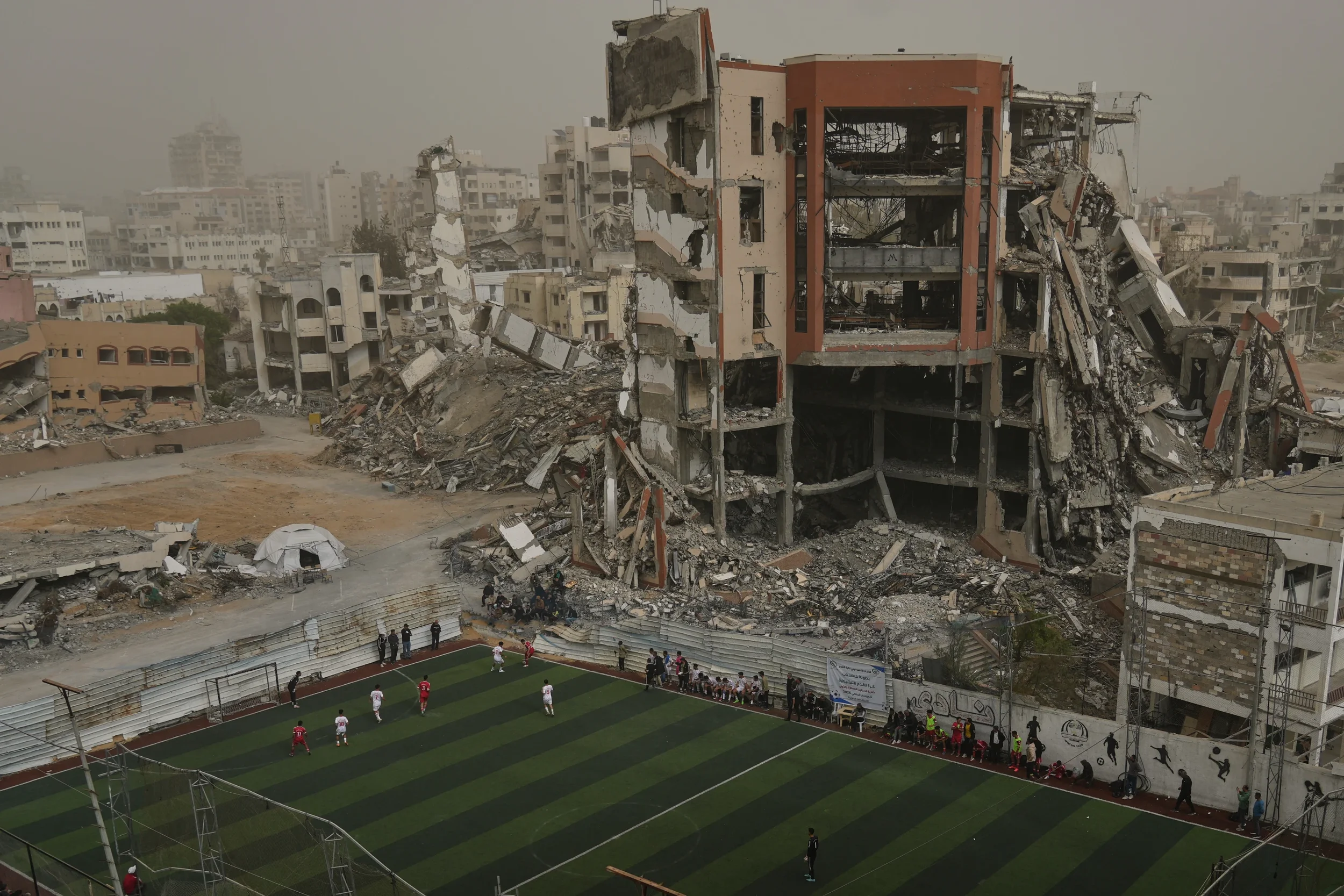
Tell sport, reveal the world – unless the world happens to be Gaza
A sports photography festival removed Jehad Alshrafi’s photograph of football in Gaza after complaints, saying it wanted to avoid upsetting anyone. But if your promise is to ‘tell sport, reveal the world’, you have to be prepared for the world revealed to make someone uncomfortable.
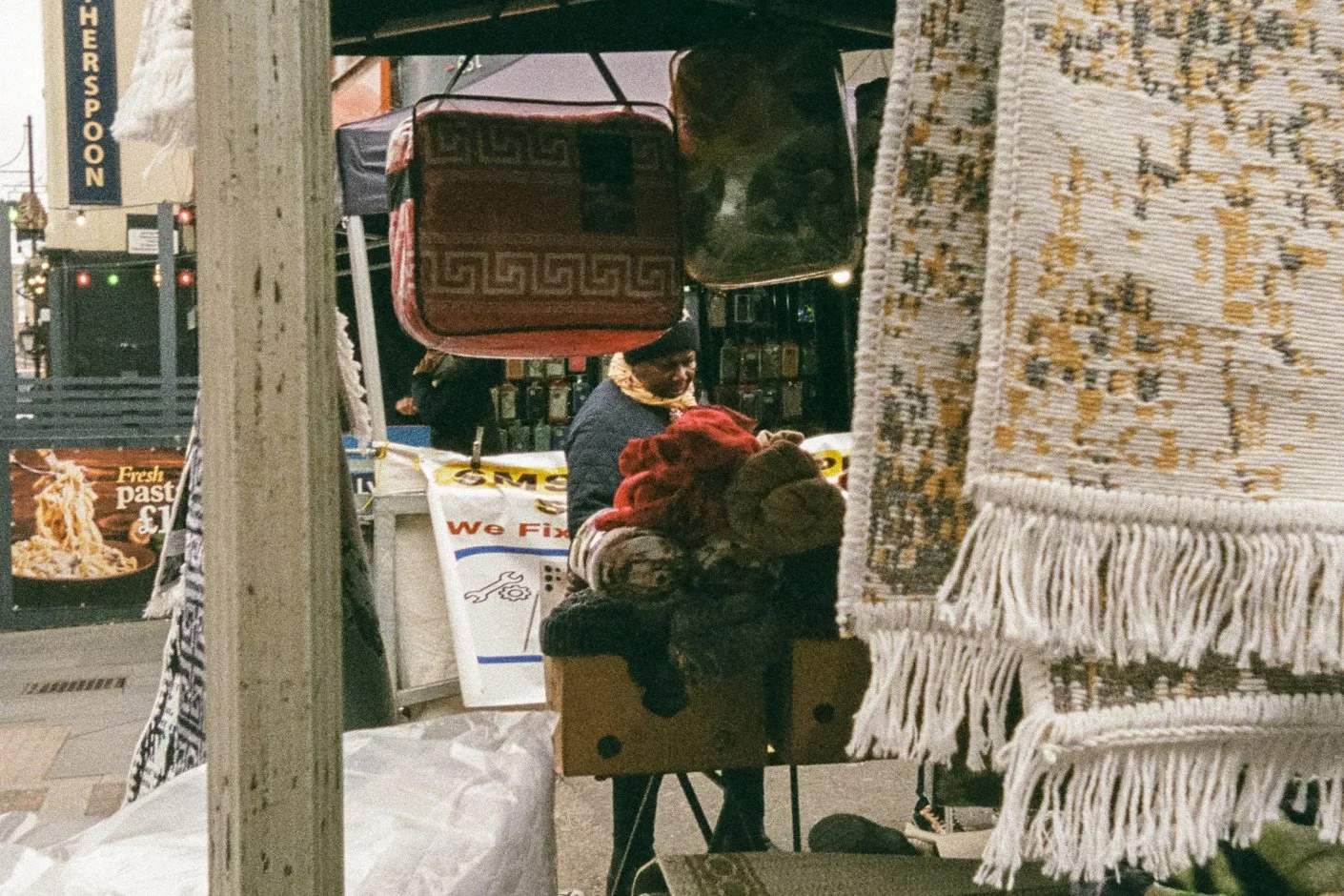
Apparently, I am a criminal
The UK Home Office has published guidance telling asylum seekers not to photograph people in public. The problem is that public photography is not a crime.
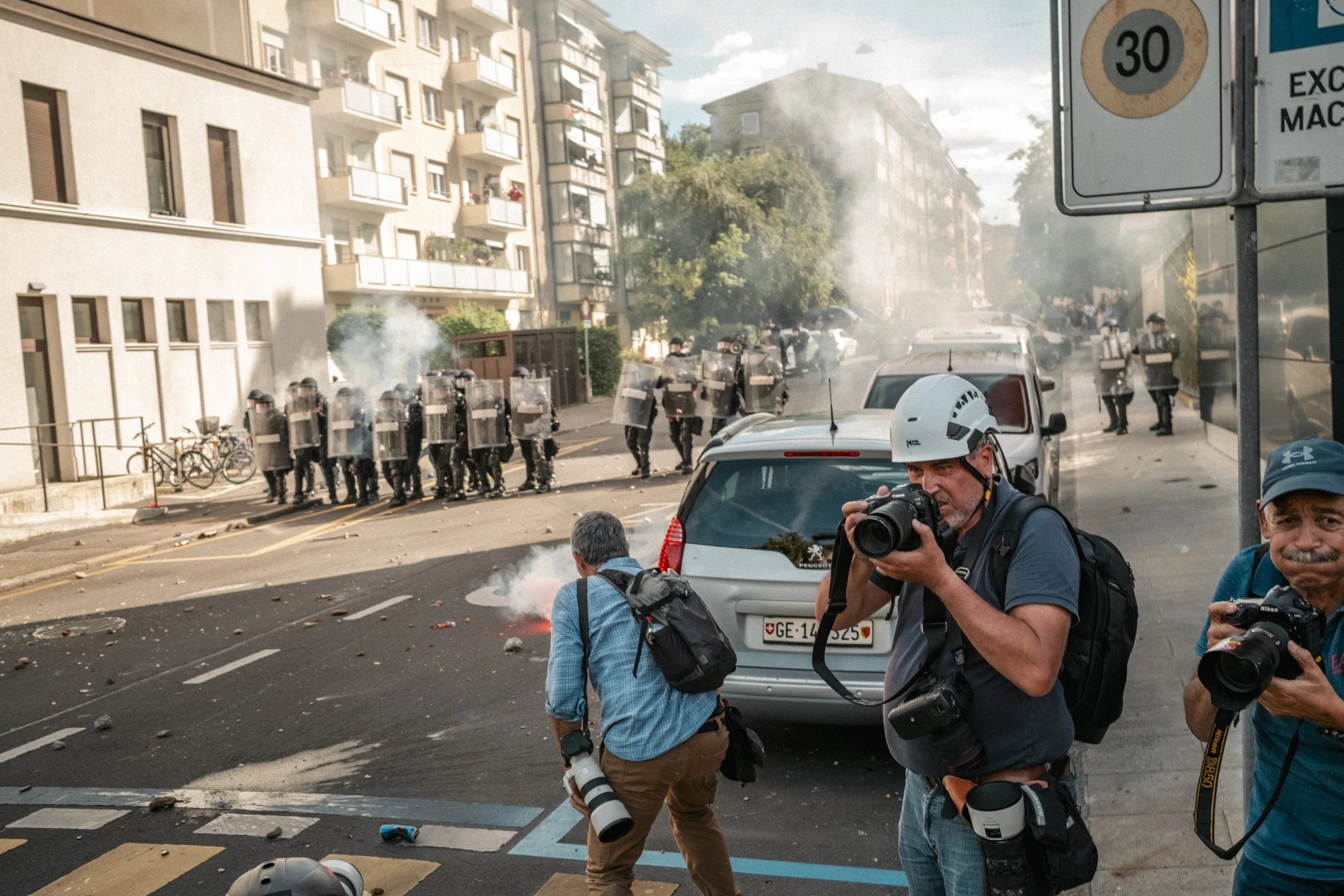
How to commission a photographer
What actually helps a photographer make better work? A photographer’s perspective on briefs, access, expectations, creative freedom and why commissioning one photograph does not necessarily mean less work.
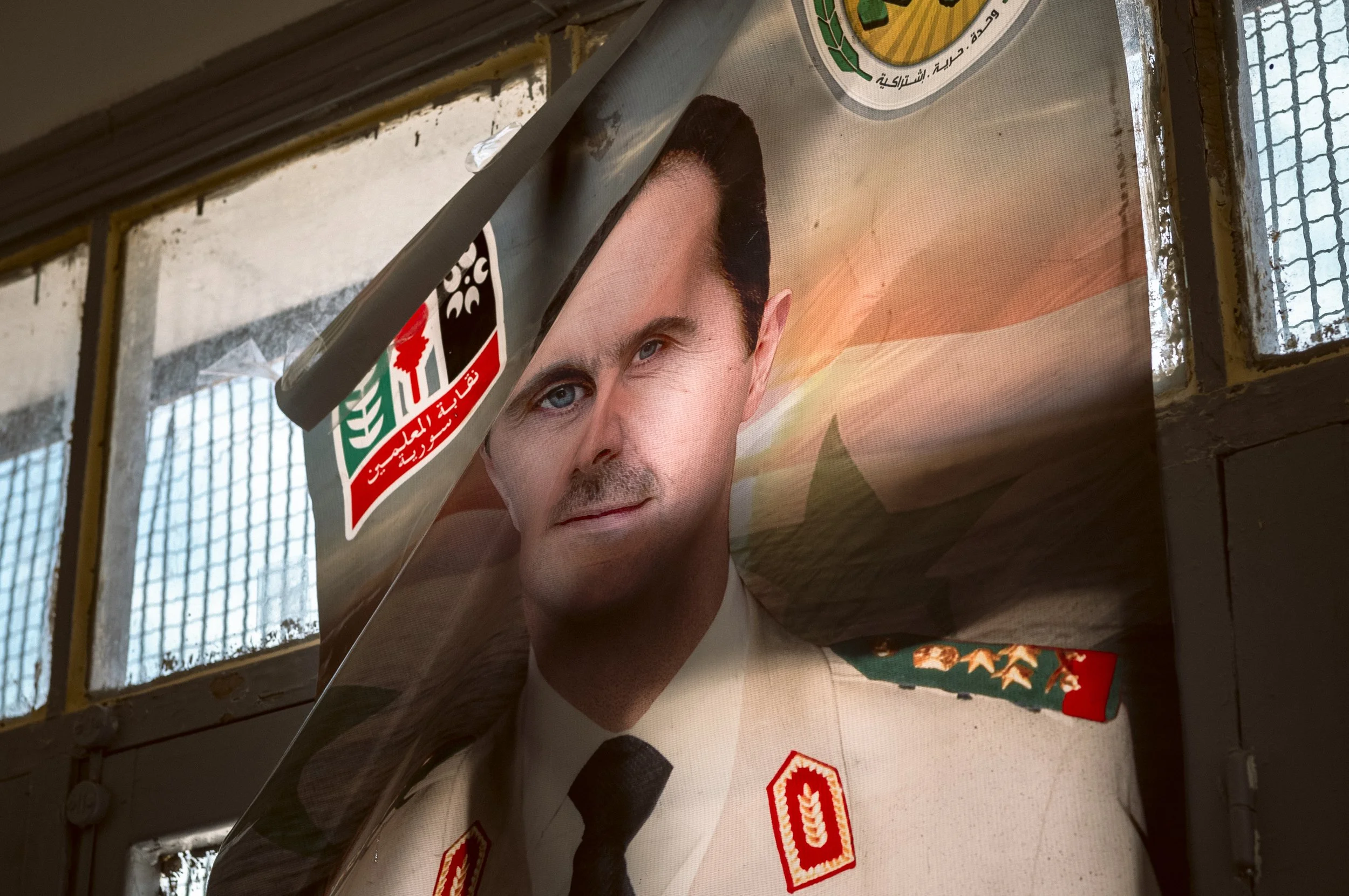
Aleppo, My Beloved featured by Dodho
Dodho Magazine has featured Aleppo, My Beloved, my series about everyday life, memory and people’s attachment to a city shaped by war and the 2023 earthquake.
Ceuta was explained without asking Moroccans
When the Ceuta crossing was in the news at the end of July, I kept noticing who was doing the explaining: Spanish ministers, EU spokespeople, Finnish politicians warning of an invasion. Everyone except the people who had actually walked into the sea. So I wrote this for Journalisti about the question that went missing — not why Ceuta, or why now, but why leave. A humane angle doesn’t make journalism softer; it makes it more precise.
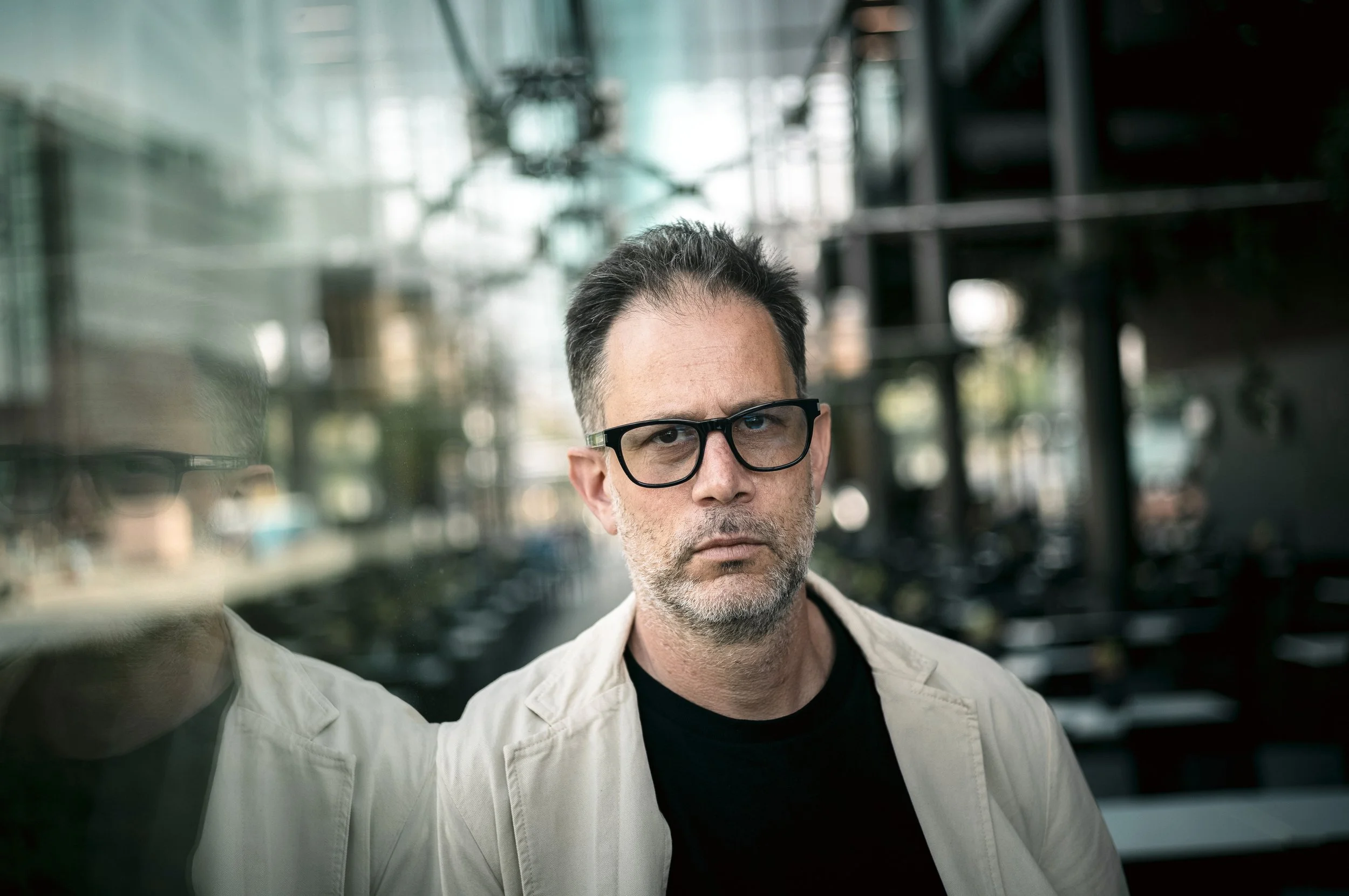
The greatest deception is the idea that photographs do not deceive
I interviewed visual-information scholar Yanai Toister for Tampere University about cameras that sense and decide without producing pictures for human eyes. Our conversation moved from robot vacuums and border systems to AI, photographic truth and the question that matters more than whether an image is ‘real’: what does it do, who built it and for whom?
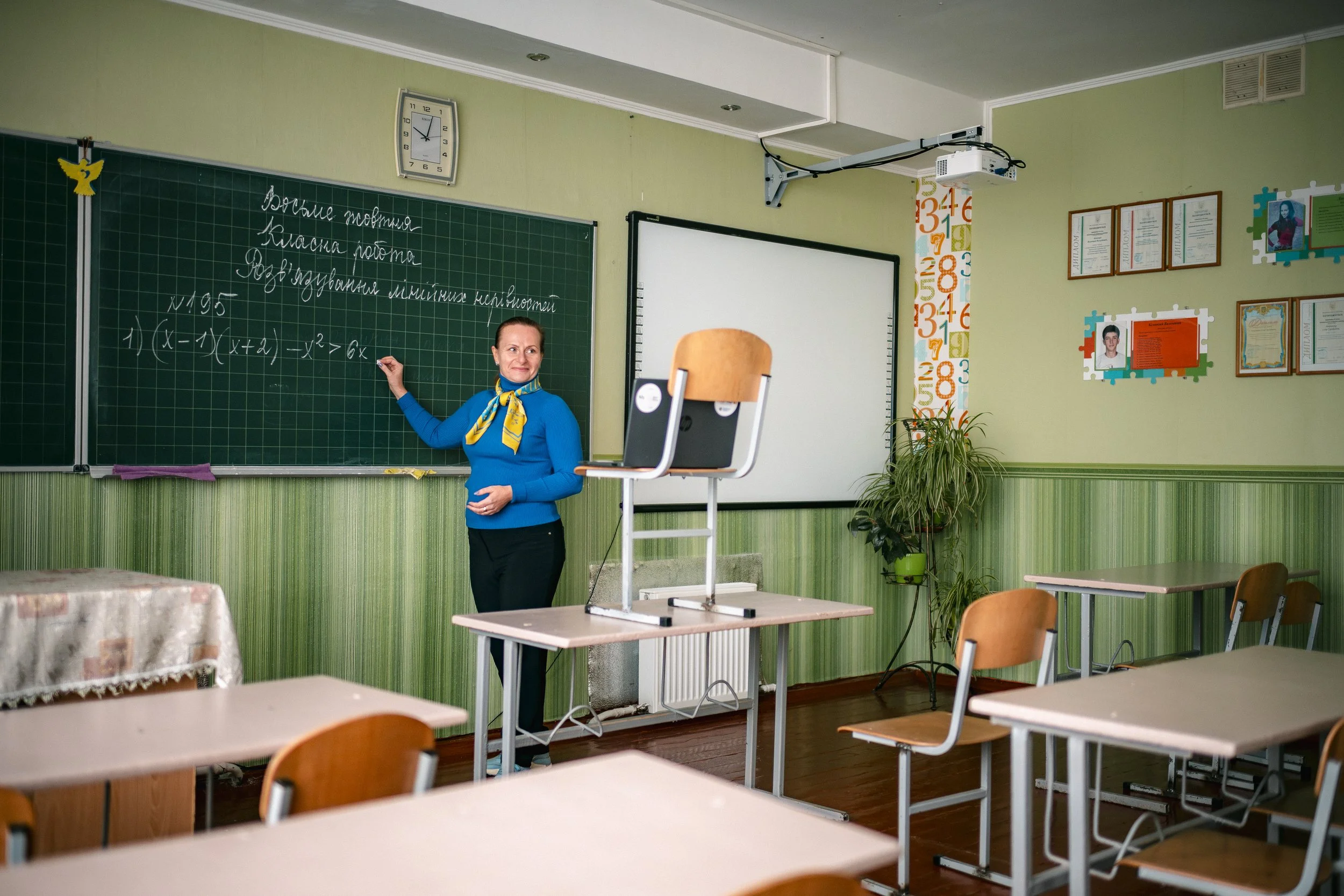
Third place in the Giga Photo Award 2026
A mathematics lesson continues in an empty classroom in Chernihiv. The photograph, made during the fourth academic year of Russia’s full-scale war, received third place in the single-image category of the Giga Photo Award 2026, a competition about connectivity as infrastructure for survival.
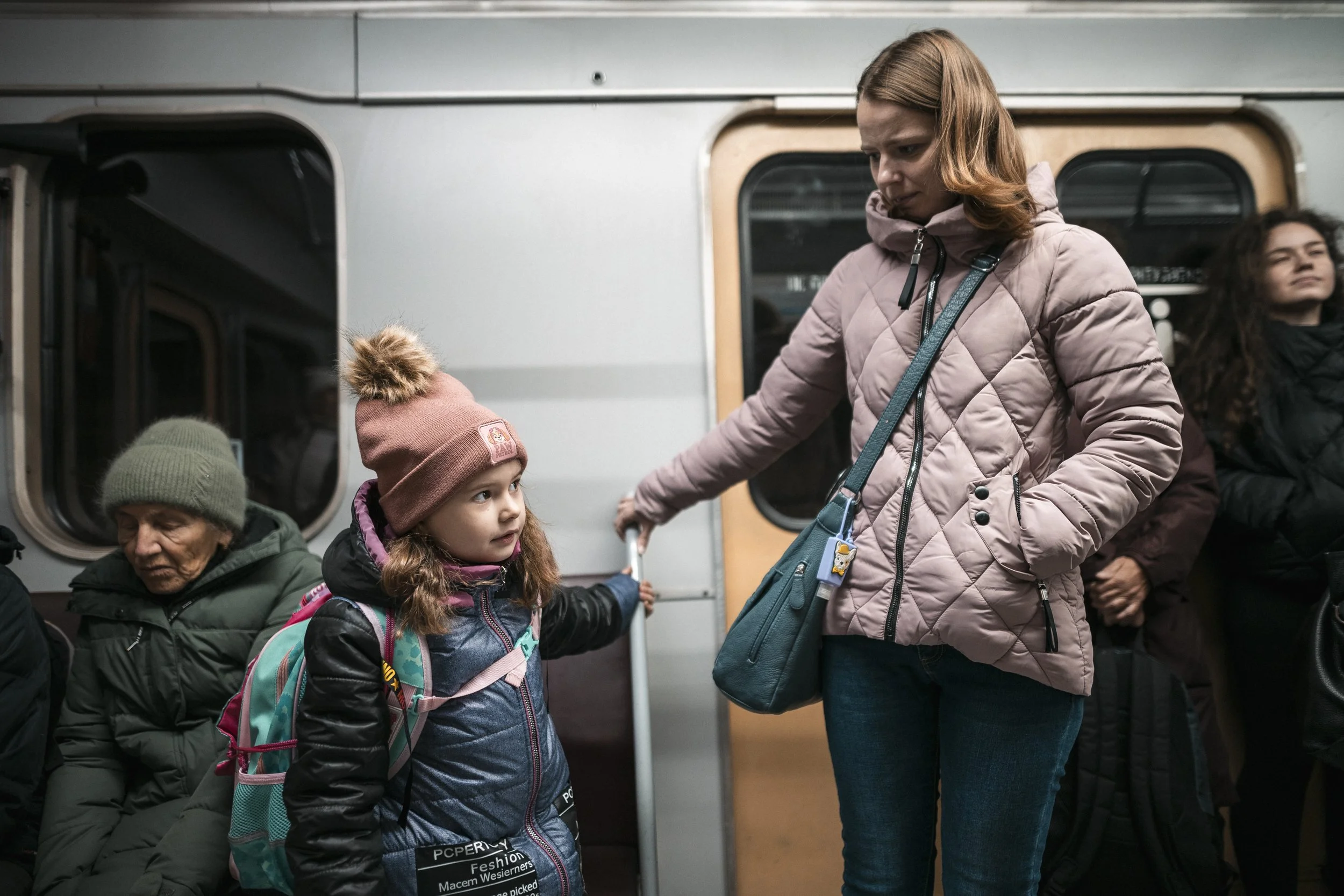
Classroom Below Ground at the Festival of Ethical Photography
My documentary series on how Ukrainian schools have adapted to war has been selected for the Nonprofit World section of the Festival of Ethical Photography in Lodi, where it will be exhibited this autumn.
The image that cracked Israel’s Christian story
The image of an Israeli soldier taking an axe to a crucified-Jesus statue in southern Lebanon spread faster than almost any photograph from that front, and I wanted to understand why this one, and not the bodies. My answer for Maailman Kuvalehti is that it broke a story Israel’s Christian supporters have spent decades building — and that symbolic harm still provokes more outrage than human harm. Which says something uncomfortable about how we look.
For young people, journalism is just another kind of content
In this Journalisti column, I wrote about young people encountering journalism in the same algorithmic feed as memes, propaganda, sponsored posts and AI slop. I argued that news organisations cannot demand inherited trust; they have to earn it by showing how evidence is checked, sources are weighed and uncertainty is handled.
A photograph of wartime education wins News Photo of the Year
An empty classroom in Chernihiv became an image of what war looks like after four years: not only destruction, but routine. My photograph, made during an air-raid alert as a teacher carried on with her lesson remotely, was named Finland’s News Photo of the Year 2025.
Authoritarian regimes’ version of reality finds its way into newsrooms all too easily
After Khamenei’s death the pictures from Iran showed a nation in mourning – weeping crowds, portraits, flags. Every one of them was true. Together they were still less than the sum of their parts, because everything that cannot safely be photographed in Iran stayed outside the frame. I wrote this for Maailman Kuvalehti to argue that verifying a caption isn’t enough; a newsroom also has to ask who decides which pictures can be made at all.
In the post-truth age, getting caught twisting the truth is a win
I examined what happens when political actors publish manipulated images without embarrassment and a fact-check becomes part of the intended spectacle. Using a doctored White House image and the wider market for synthetic content, I wrote about the ‘liar’s dividend’ and why journalism must do more than simply announce that a fake is fake.
AI poverty porn erases the people it claims to protect
I make pictures for an aid organisation, and I’ve watched NGOs quietly start illustrating poverty and abuse with synthetic images of people who don’t exist. For Maailman Kuvalehti I argued that AI doesn’t fix humanitarian photography’s old problems — it distils them, removes the encounter and the consent, and tells real communities that their lives weren’t worth witnessing.