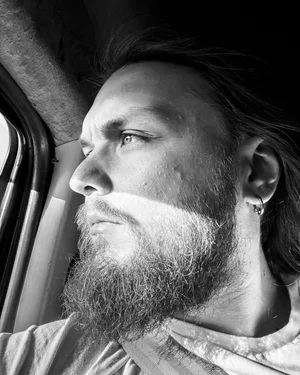
Apparently, I am a criminal
UK Home Office poster for asylum seekers.
Or at least that is the conclusion a new UK Home Office poster seems designed to invite.
This week, the Home Office published new guidance for asylum seekers on ‘behaviours and expectations in the UK’. Among the accompanying materials is a poster with the enormous headline: ‘Do not photograph or film people in public.’
I make photographs for a living, and quite a lot of that work happens in public. Often the people in my photographs know I am photographing them. Sometimes they do not. If I needed permission from every identifiable person in a street scene, a protest, a public event or a breaking-news situation, much of my work as a photographer and photojournalist would simply be impossible.
That can raise ethical questions. But it does not, by itself, make the photography illegal. In the UK, as in Finland and many other places, photographing people in public is generally lawful, while privacy, harassment and publication are separate questions.
The Home Office poster goes on to tell readers that they should not photograph someone without permission, explicitly including people in streets, parks and other public spaces.
That is not an accurate account of British law. The Metropolitan Police’s own guidance says that members of the public and the media do not need permission or a permit to photograph or film in public places.
There are, obviously, limits. Harassment, voyeurism, and intimate-image abuse can be unlawful. But none of those is the same thing as photographing somebody in a public place without first asking permission.
The way I usually think about it is simple: carrying a camera does not exempt you from treating people decently. But neither should making photographs turn an otherwise lawful act into something suspicious or criminal. It would also make no sense, particularly when public space is already being recorded continuously by cameras all around us.
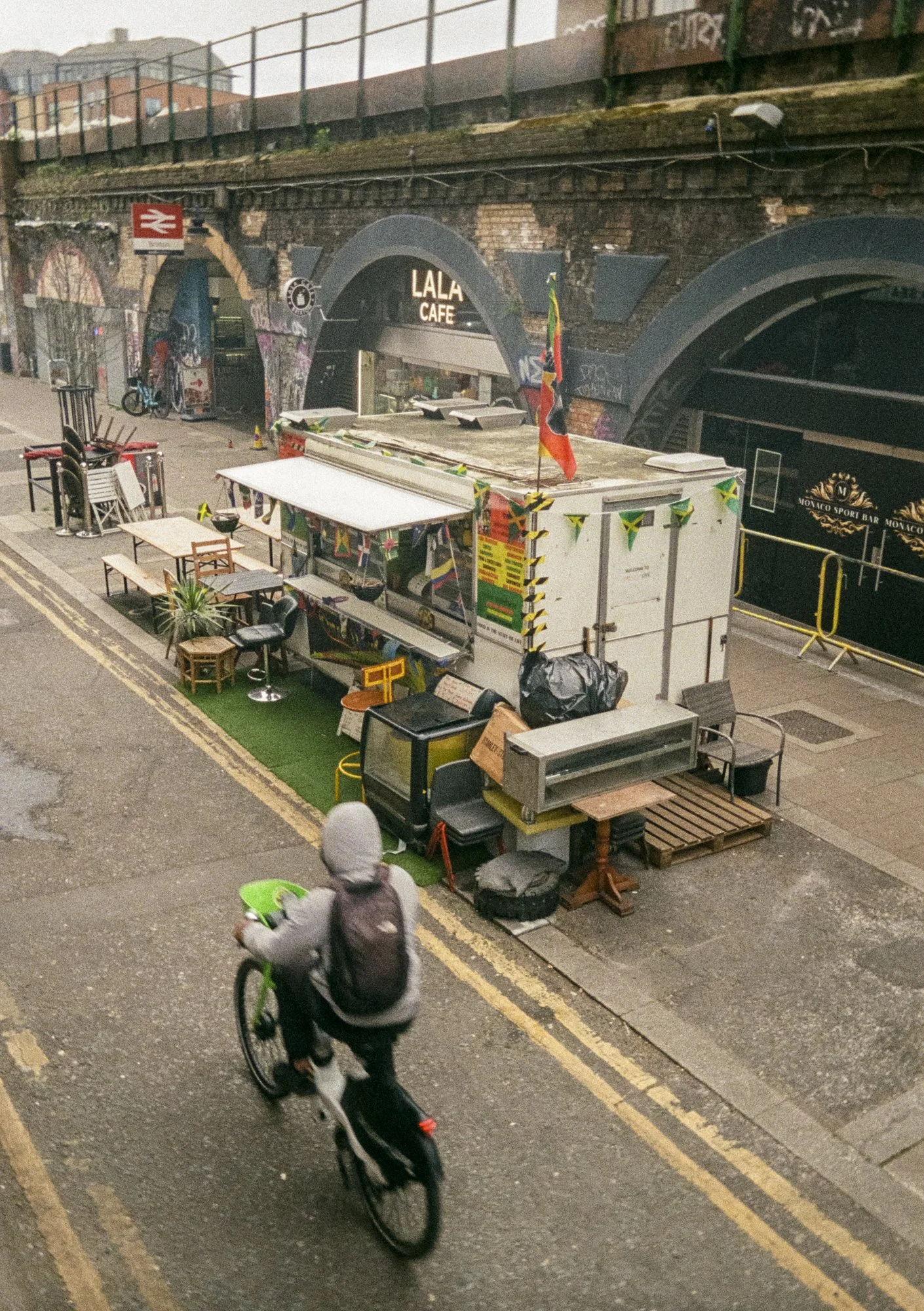
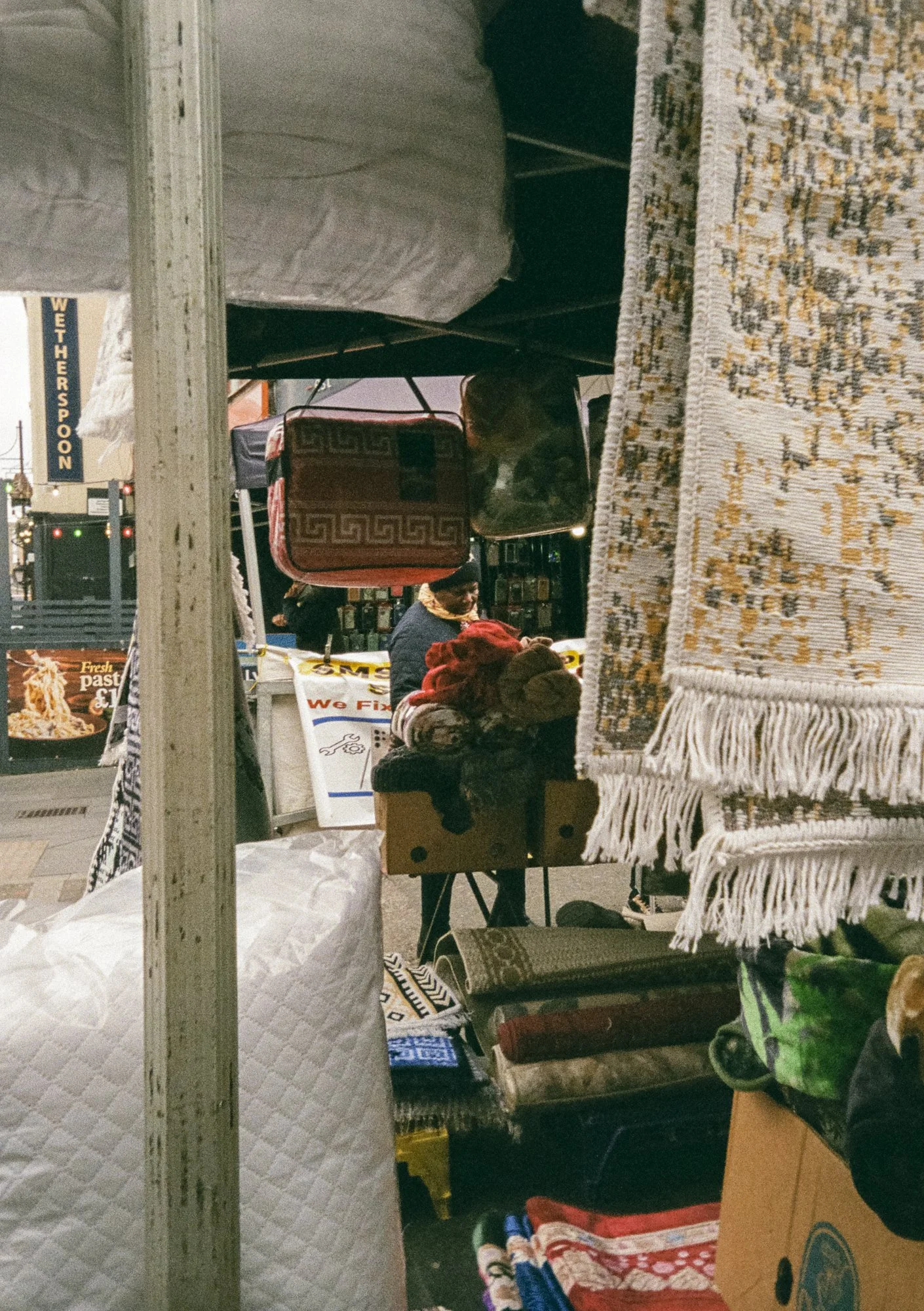
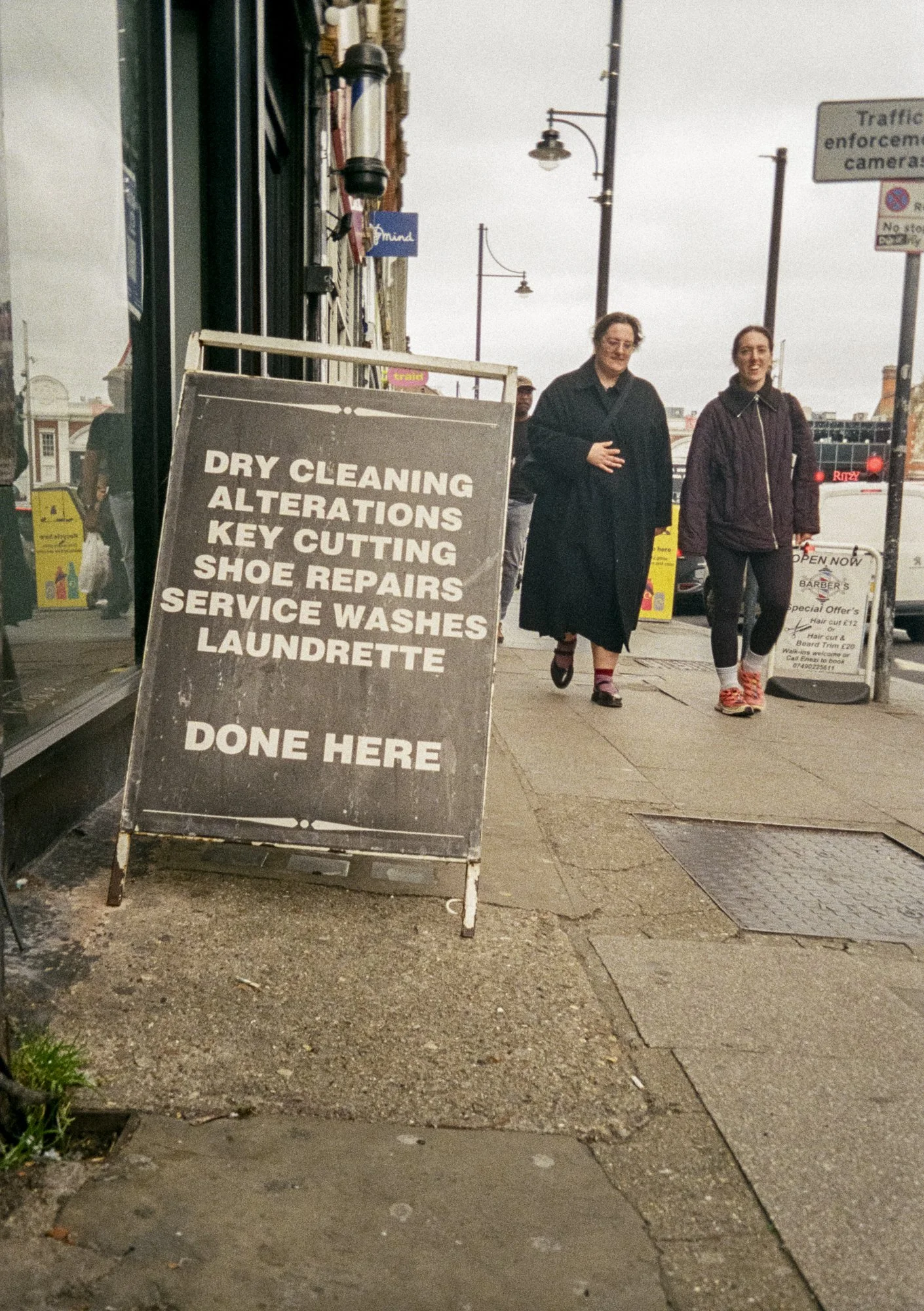
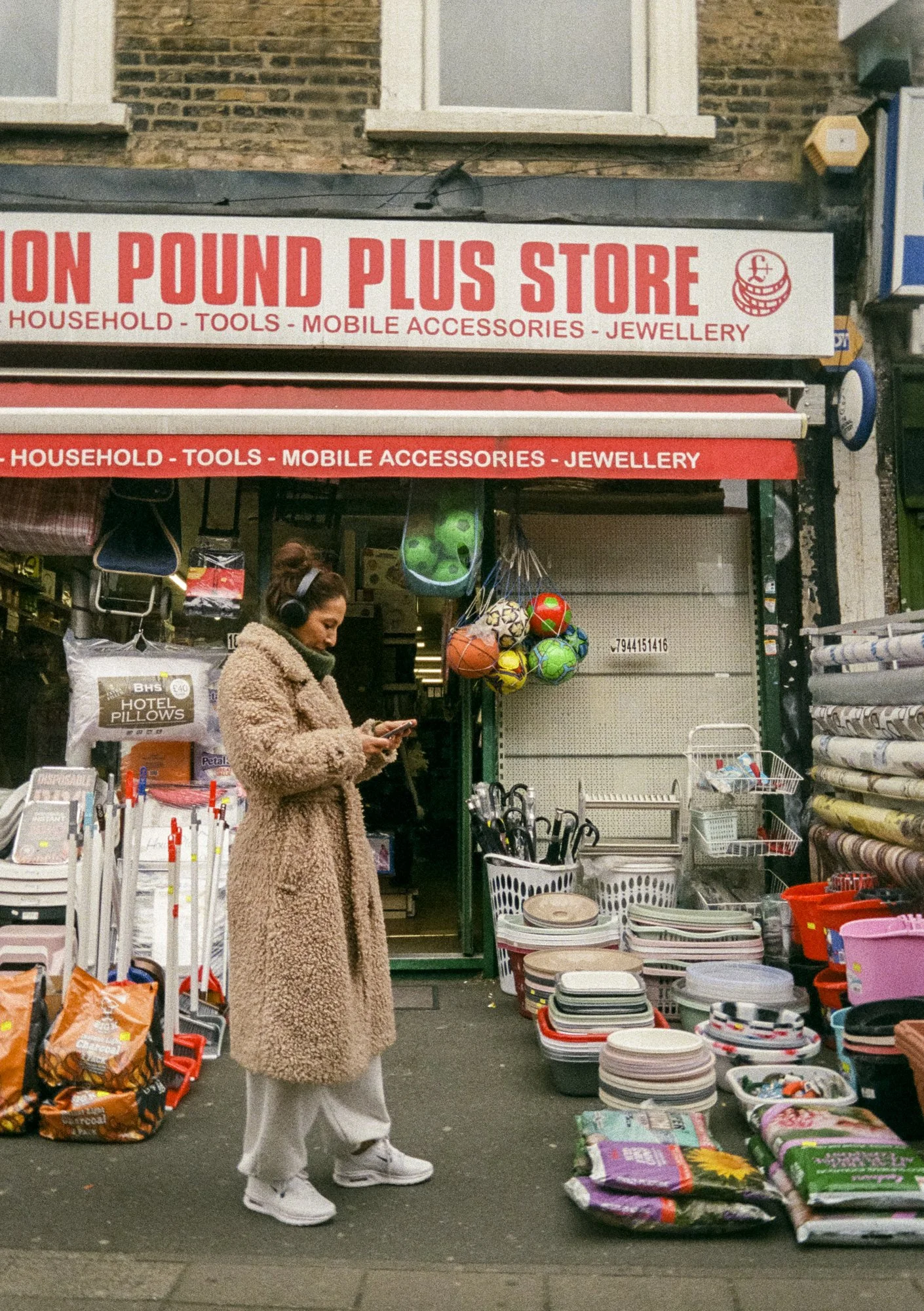
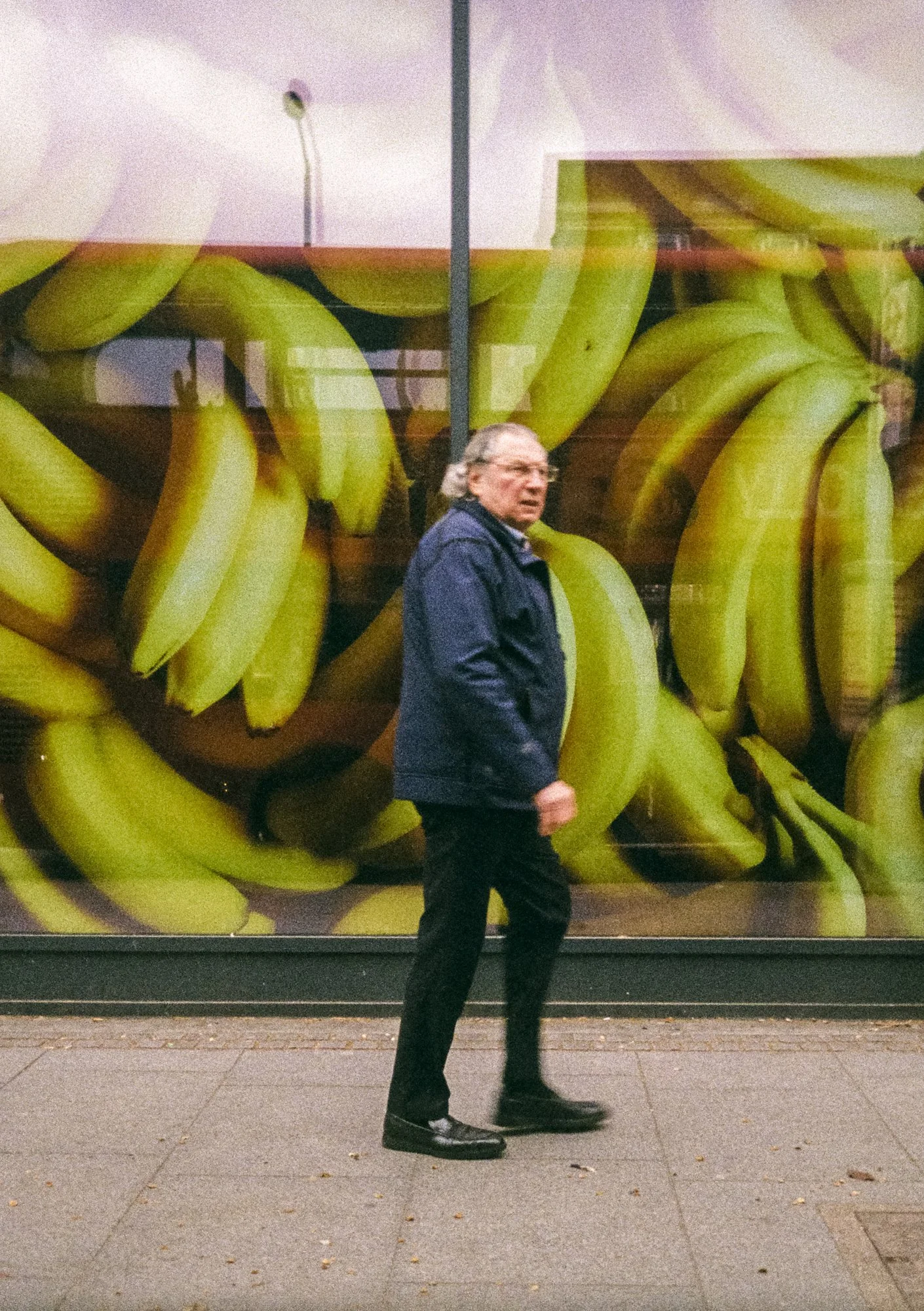
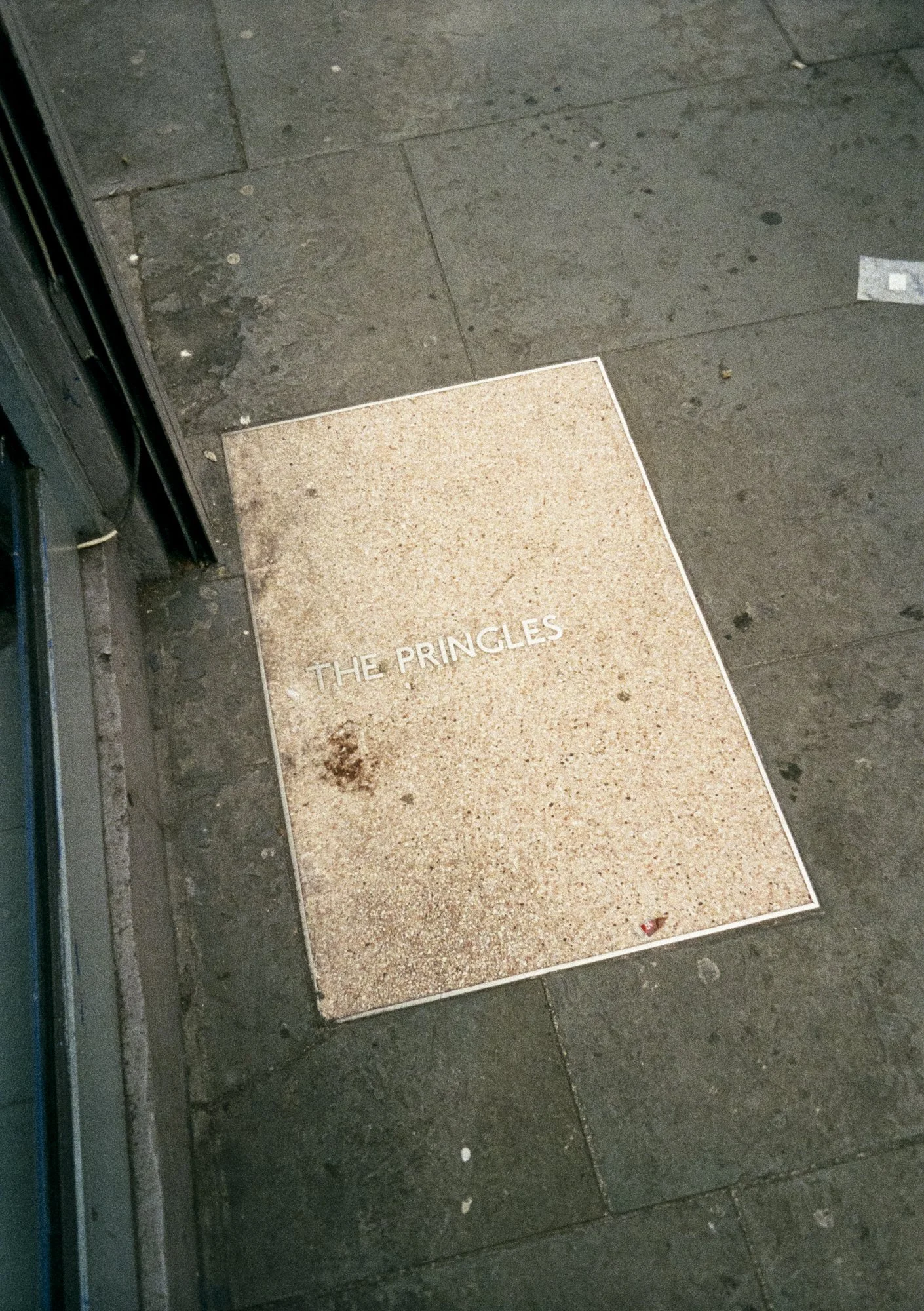
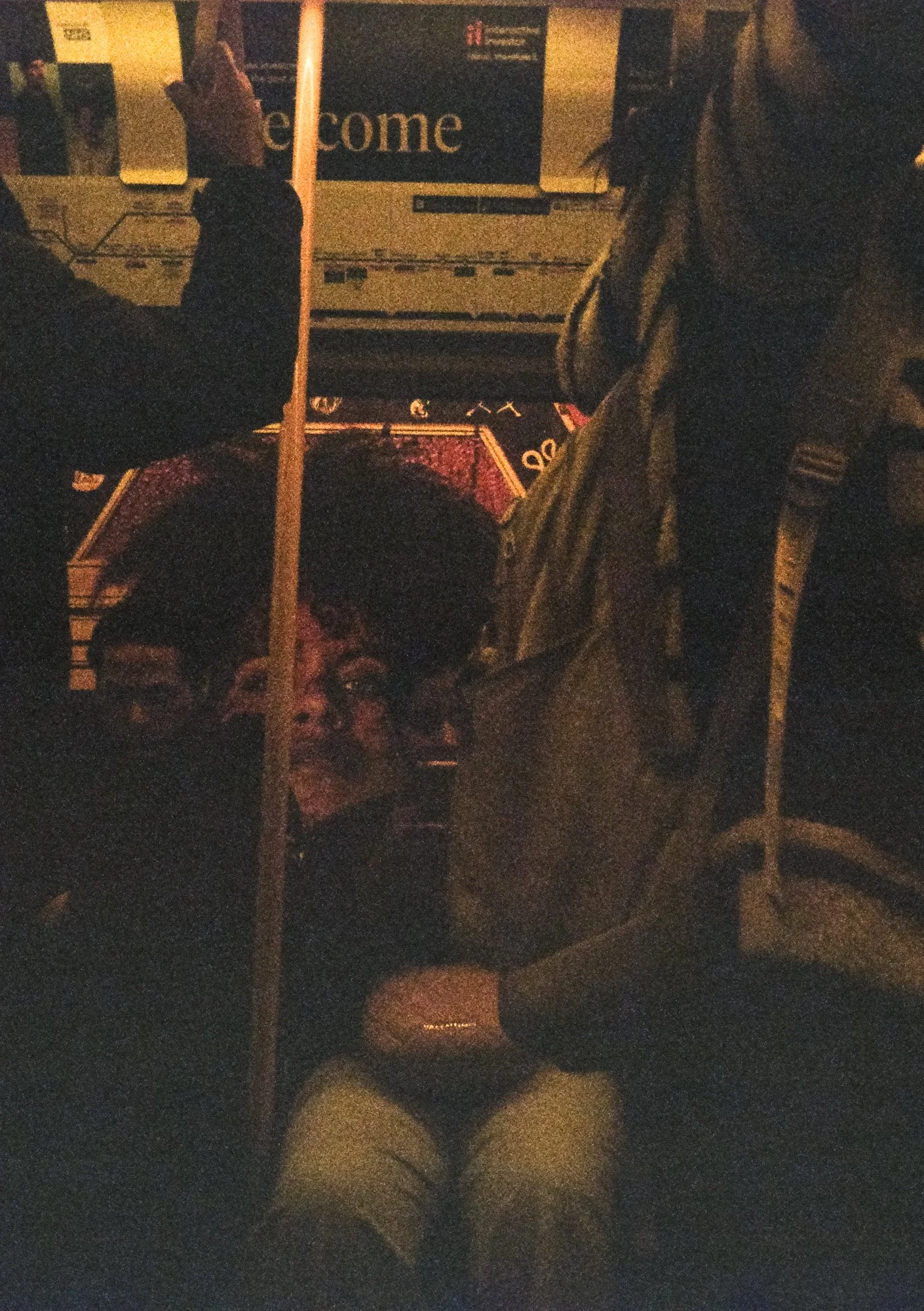
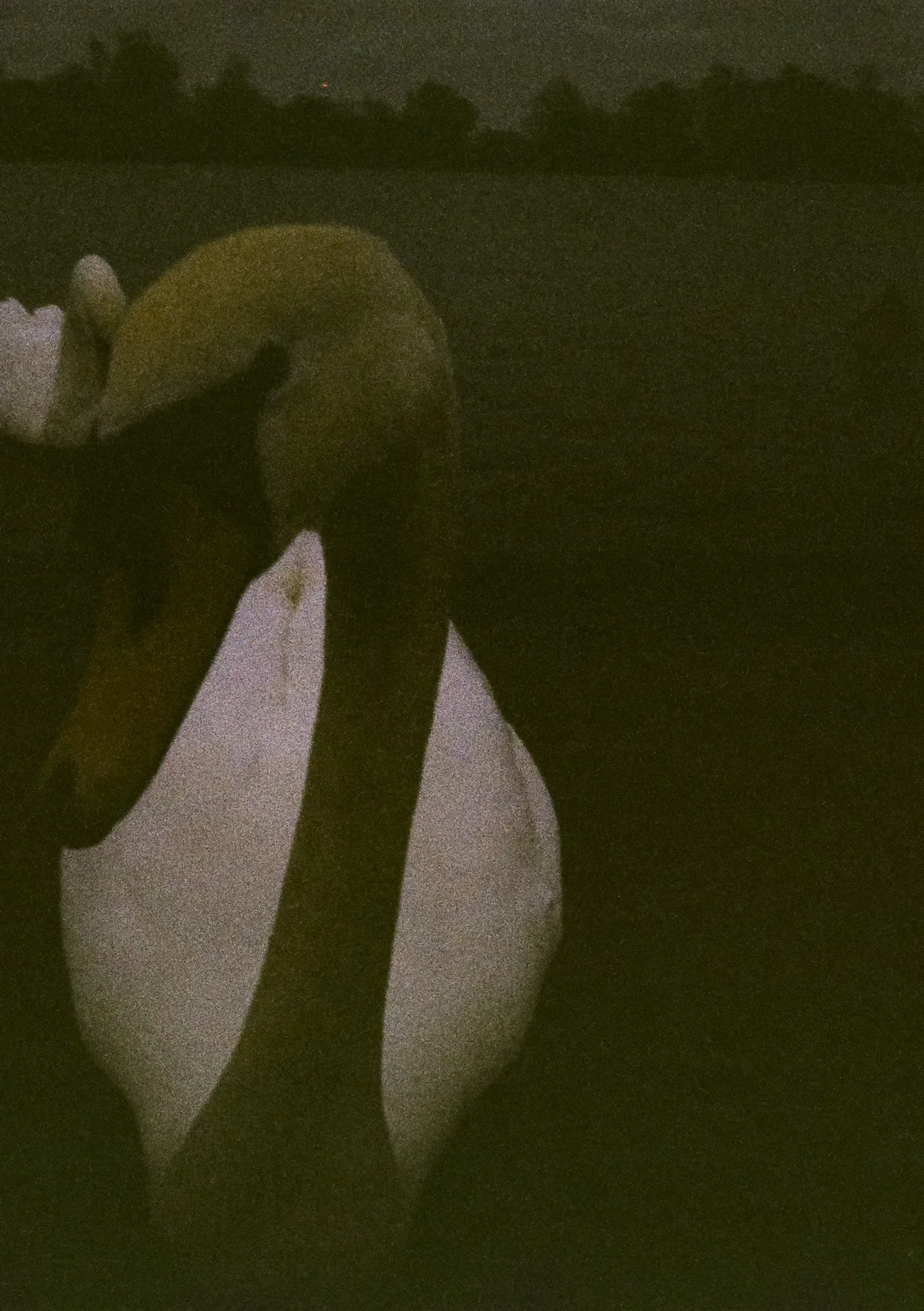
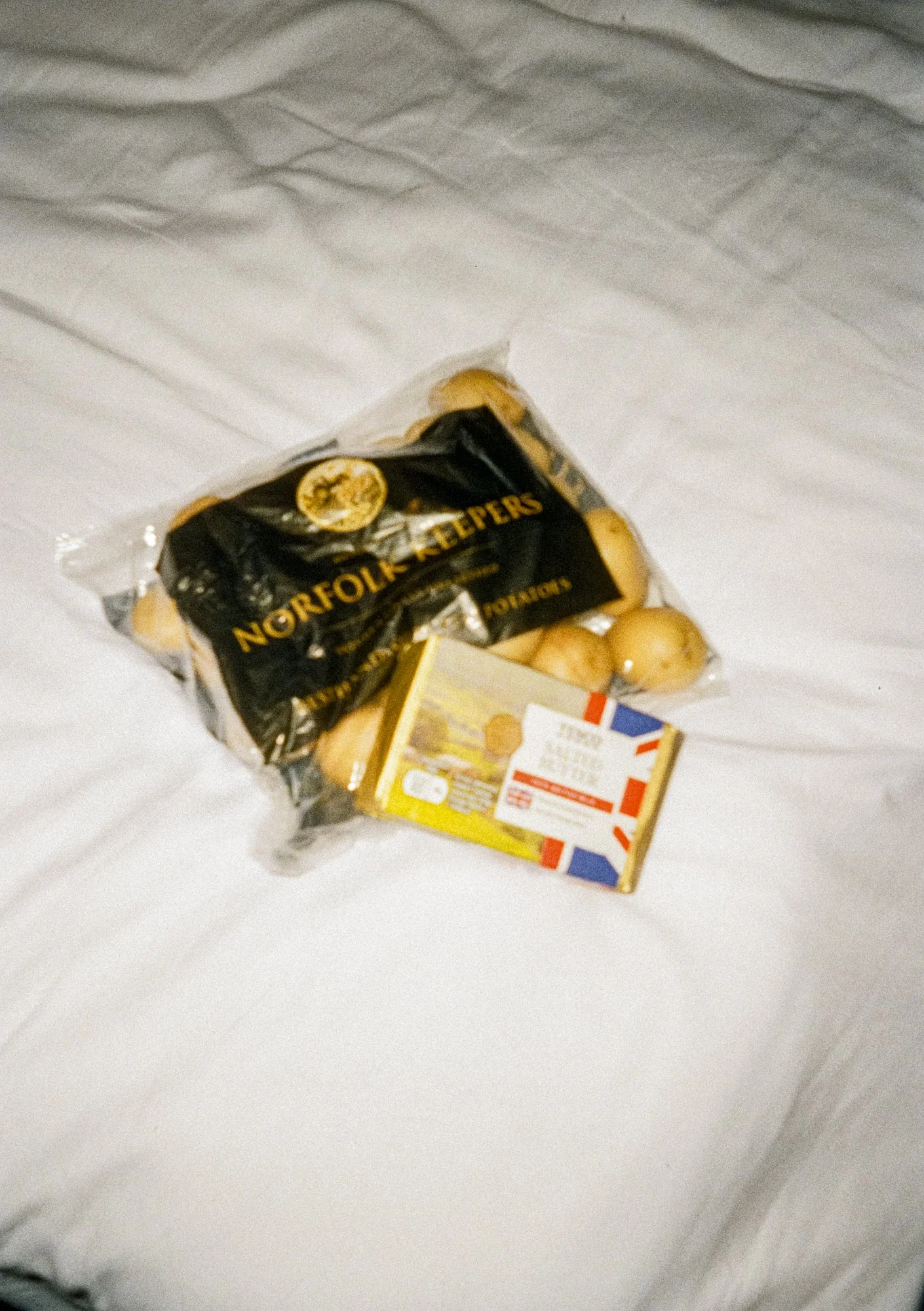
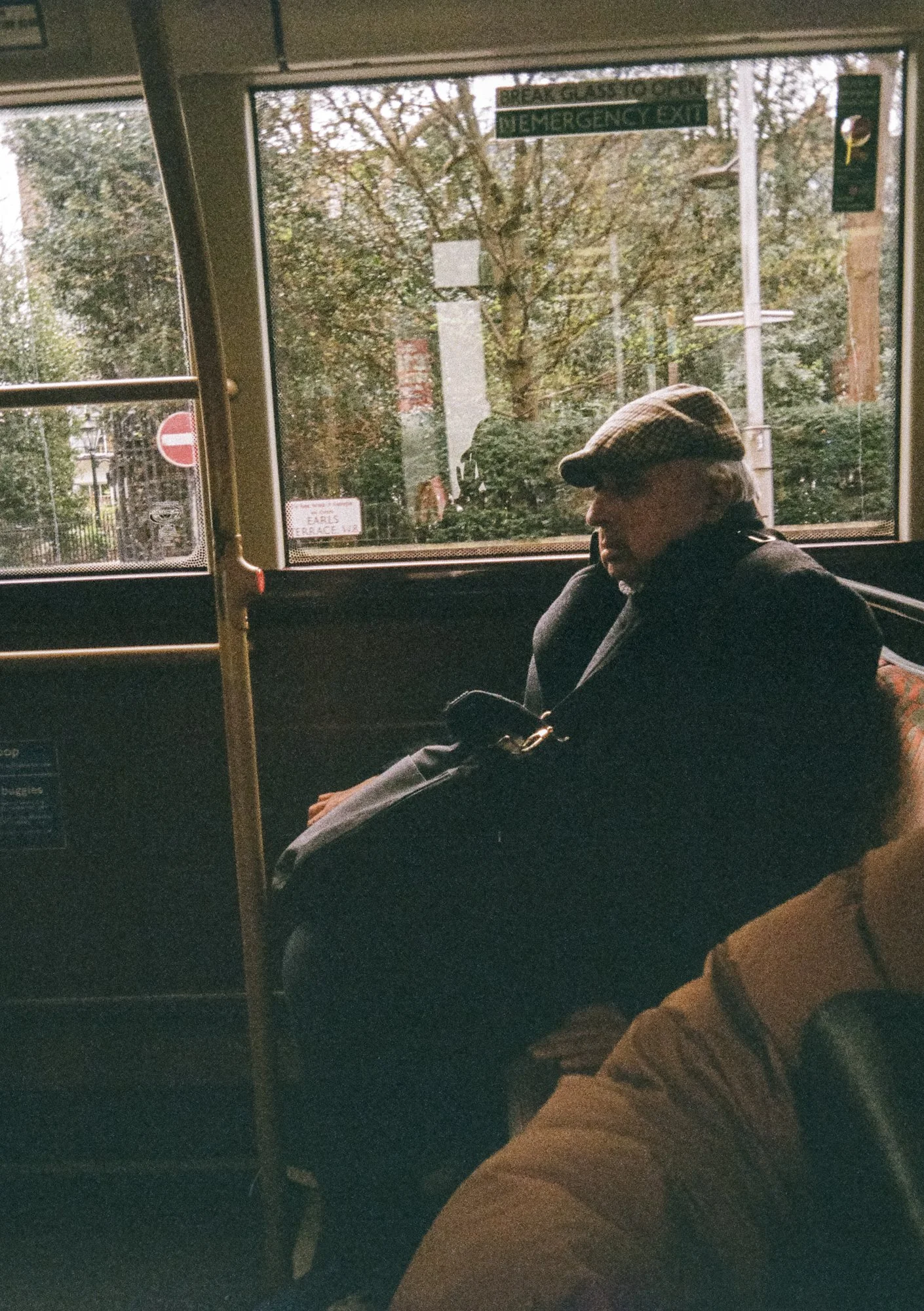
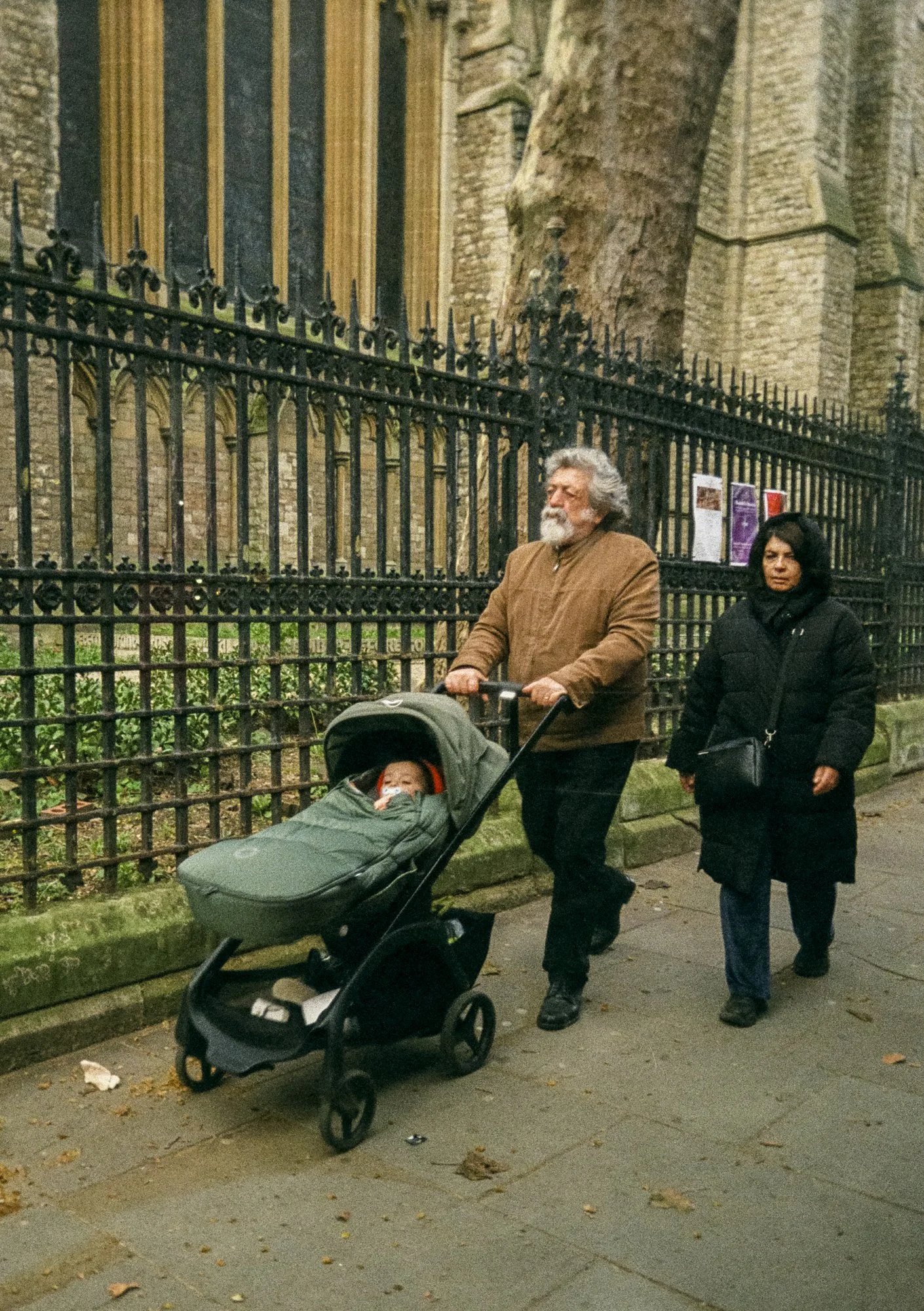
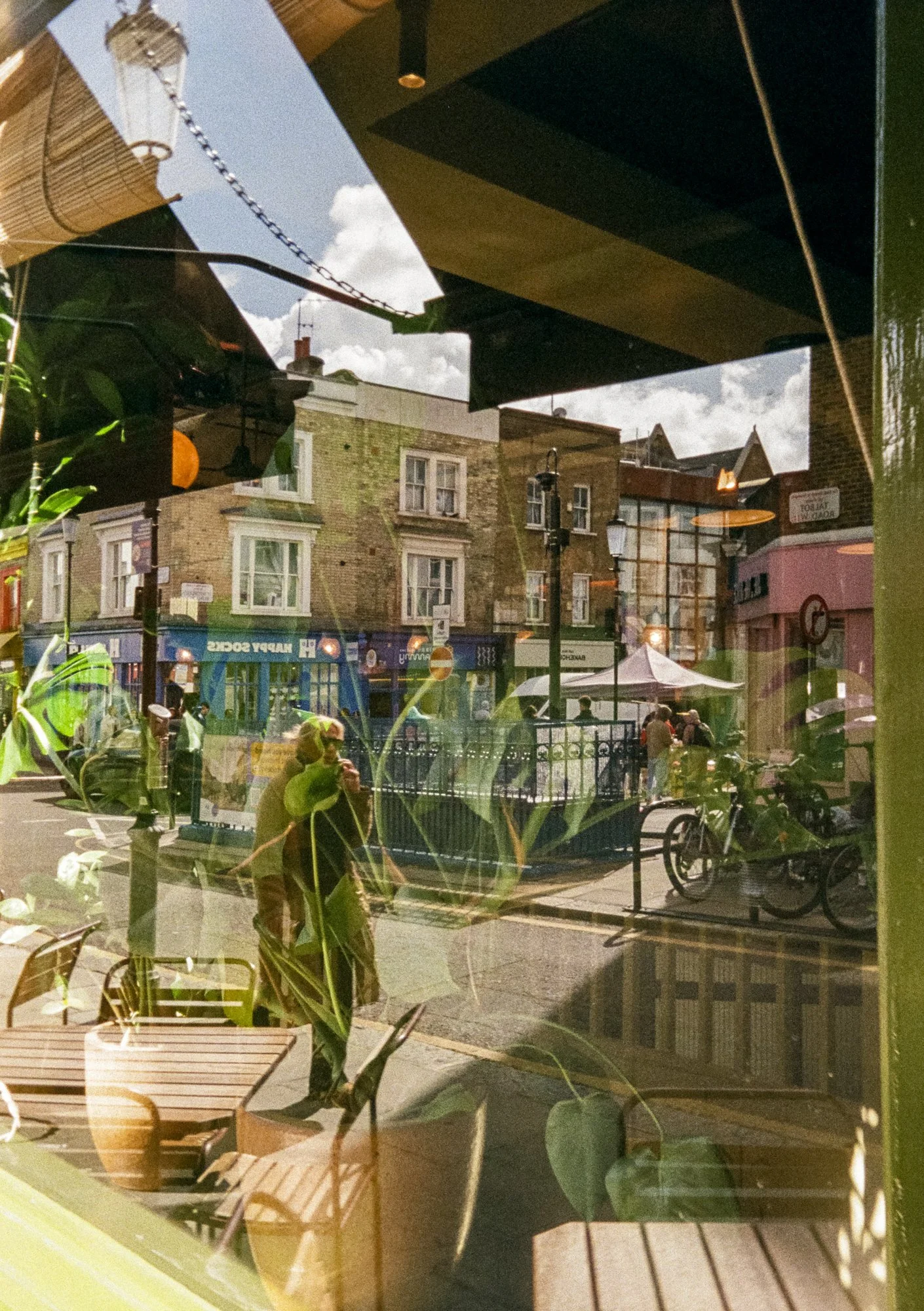
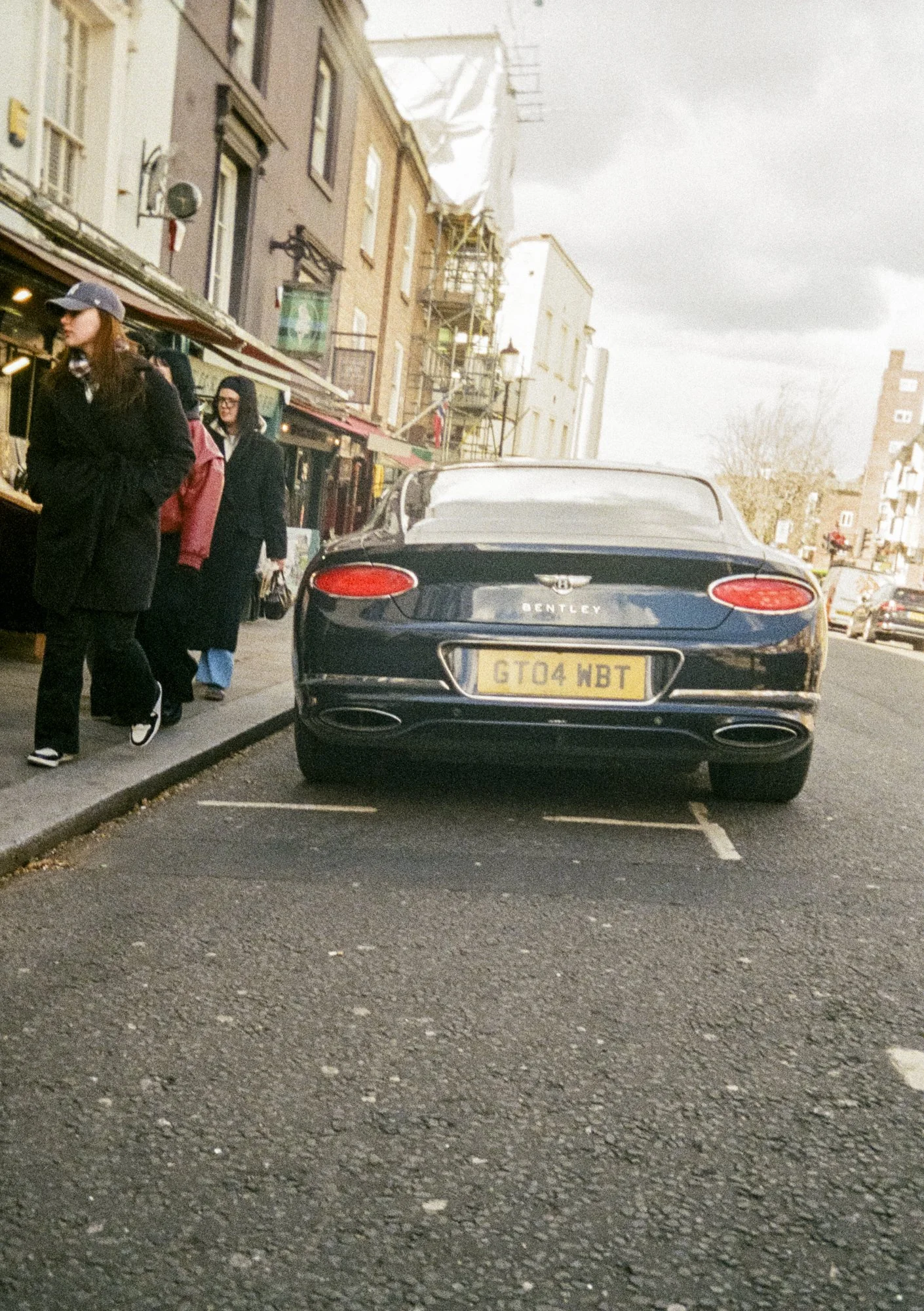
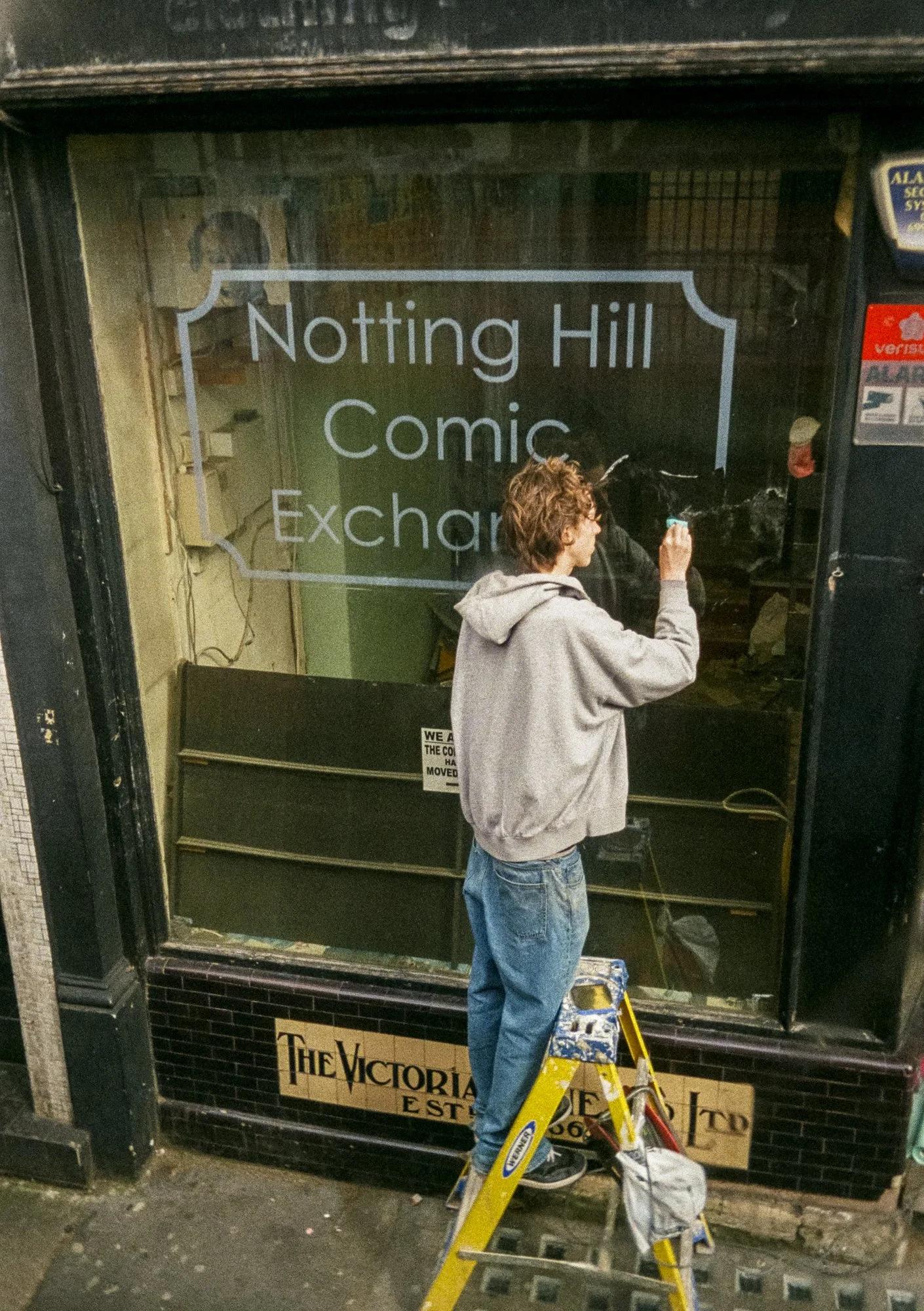
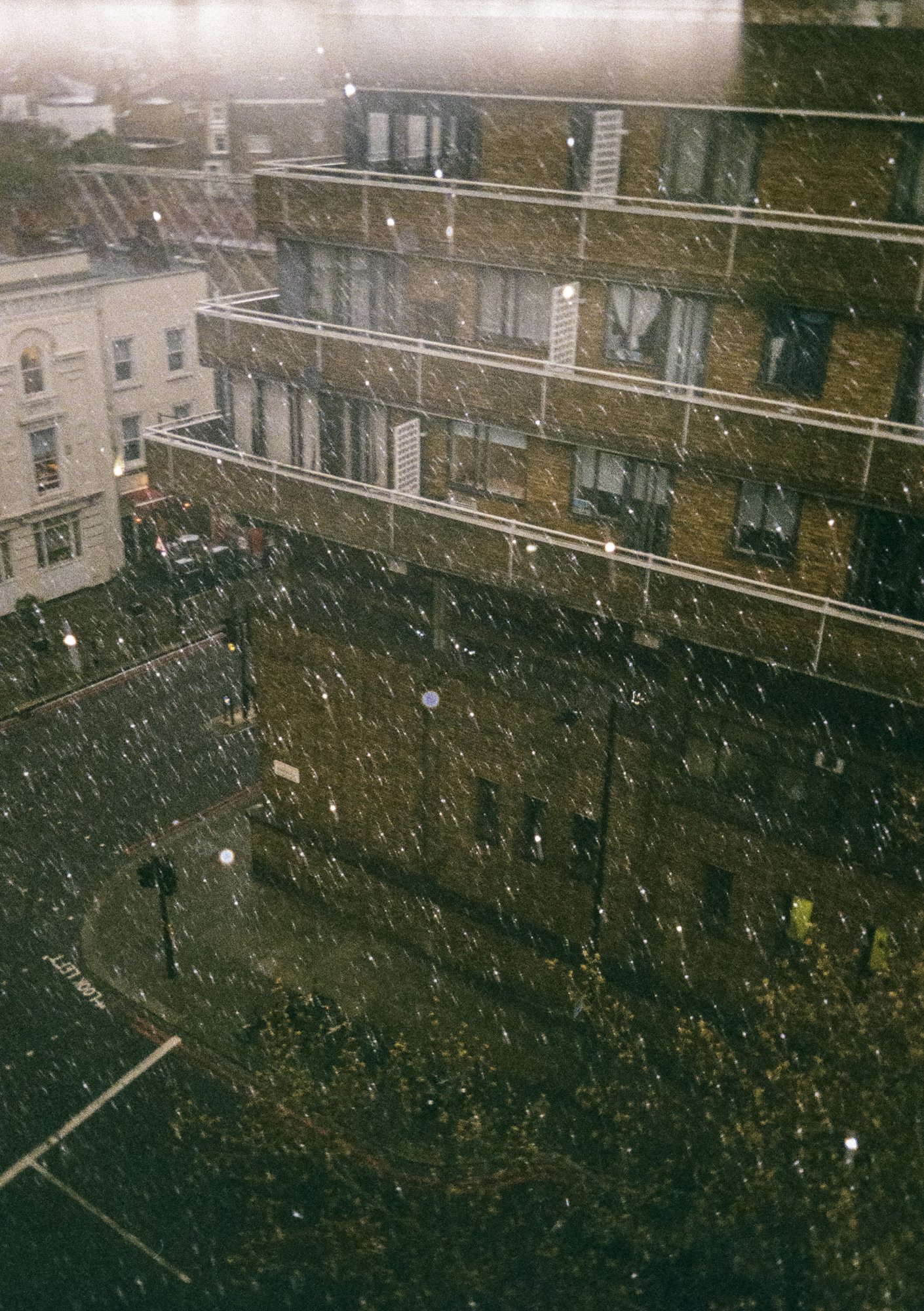
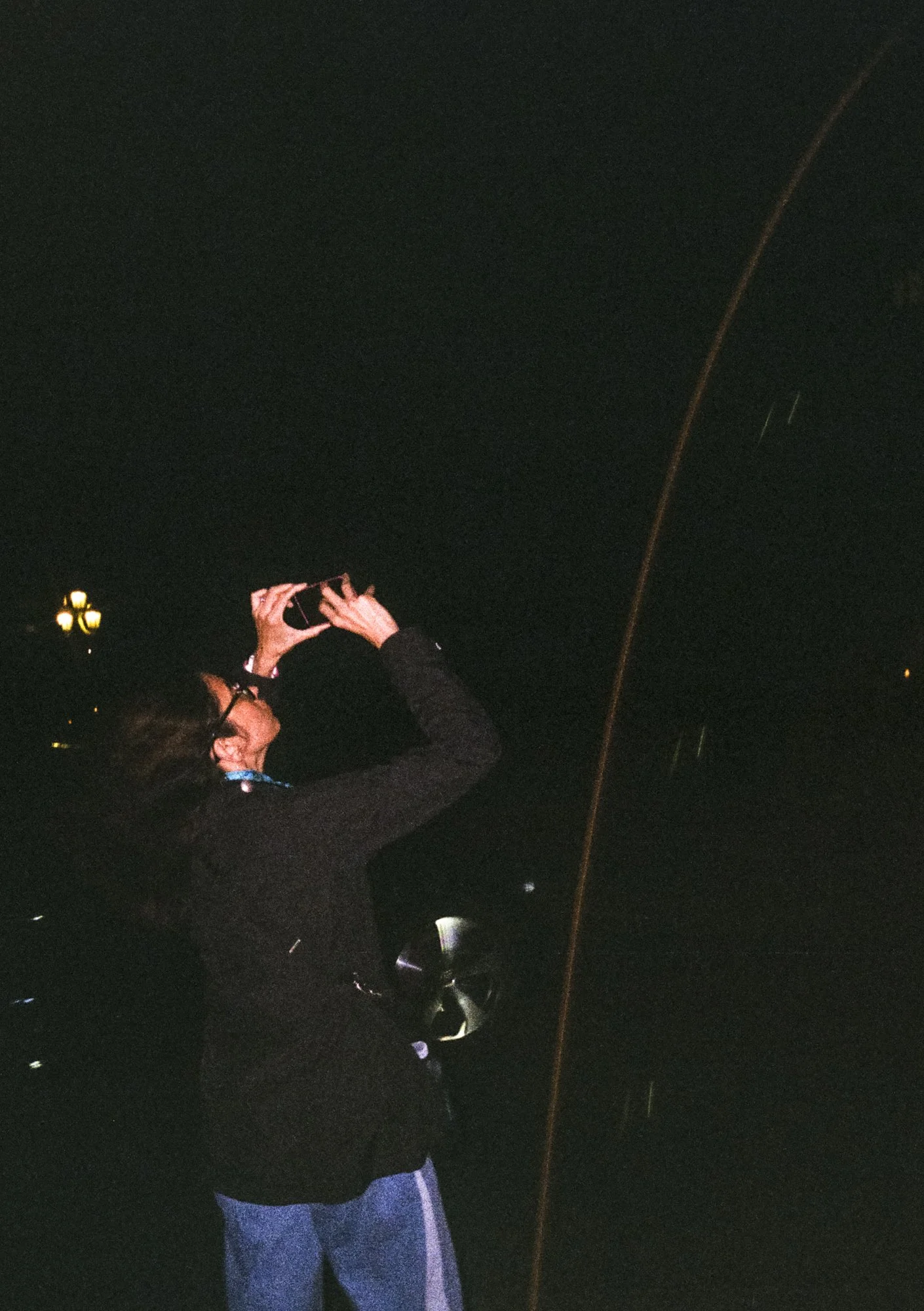
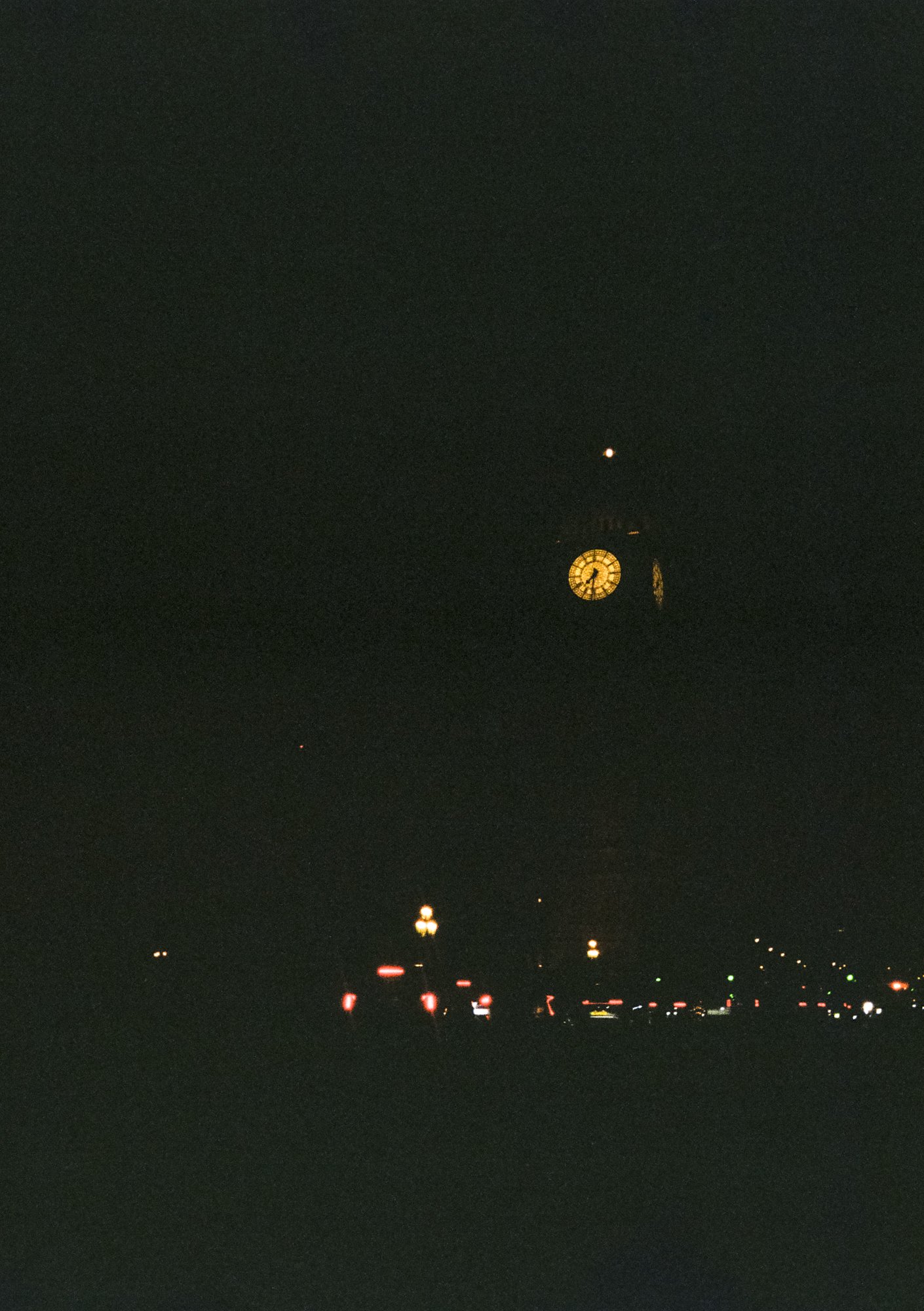
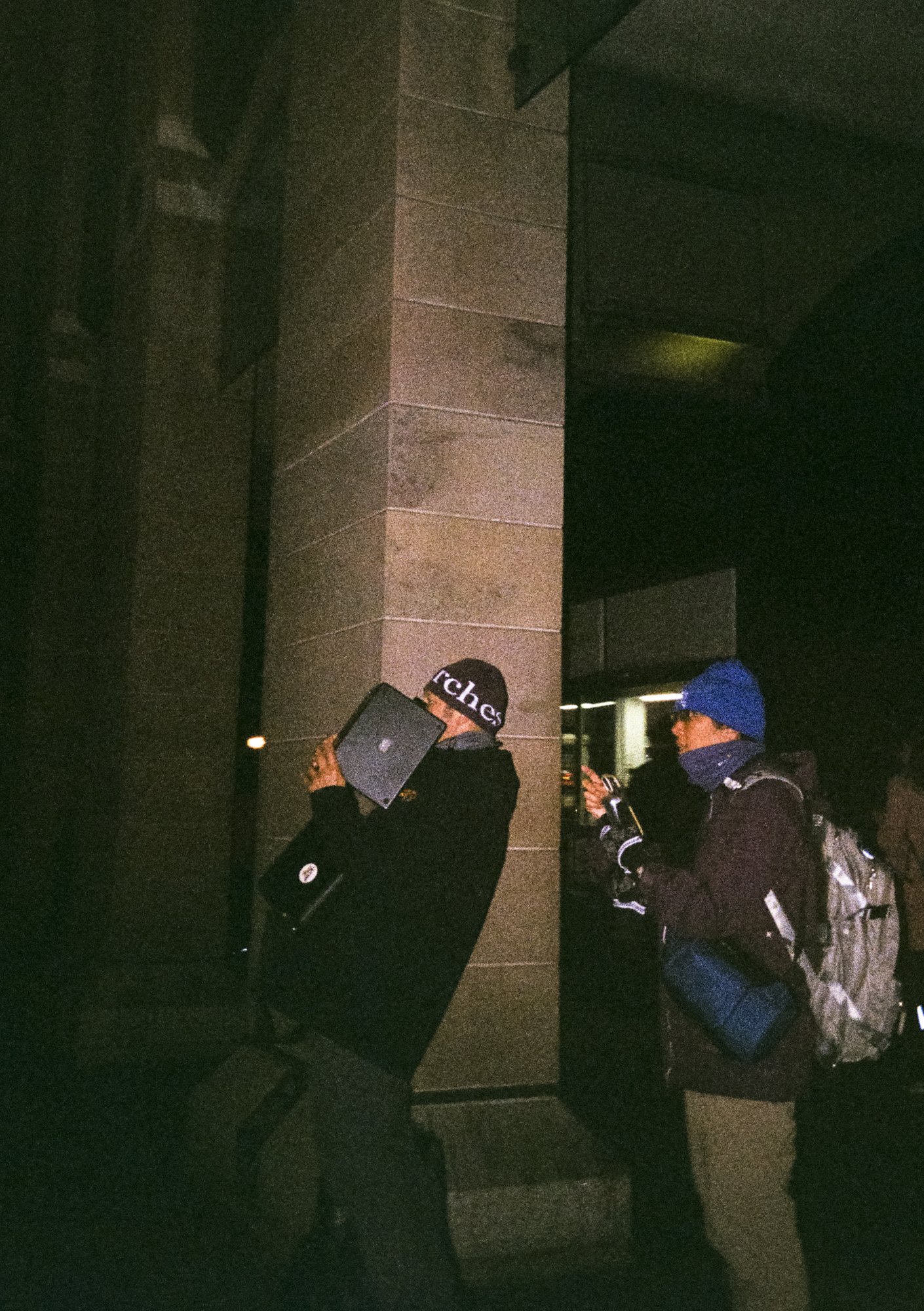
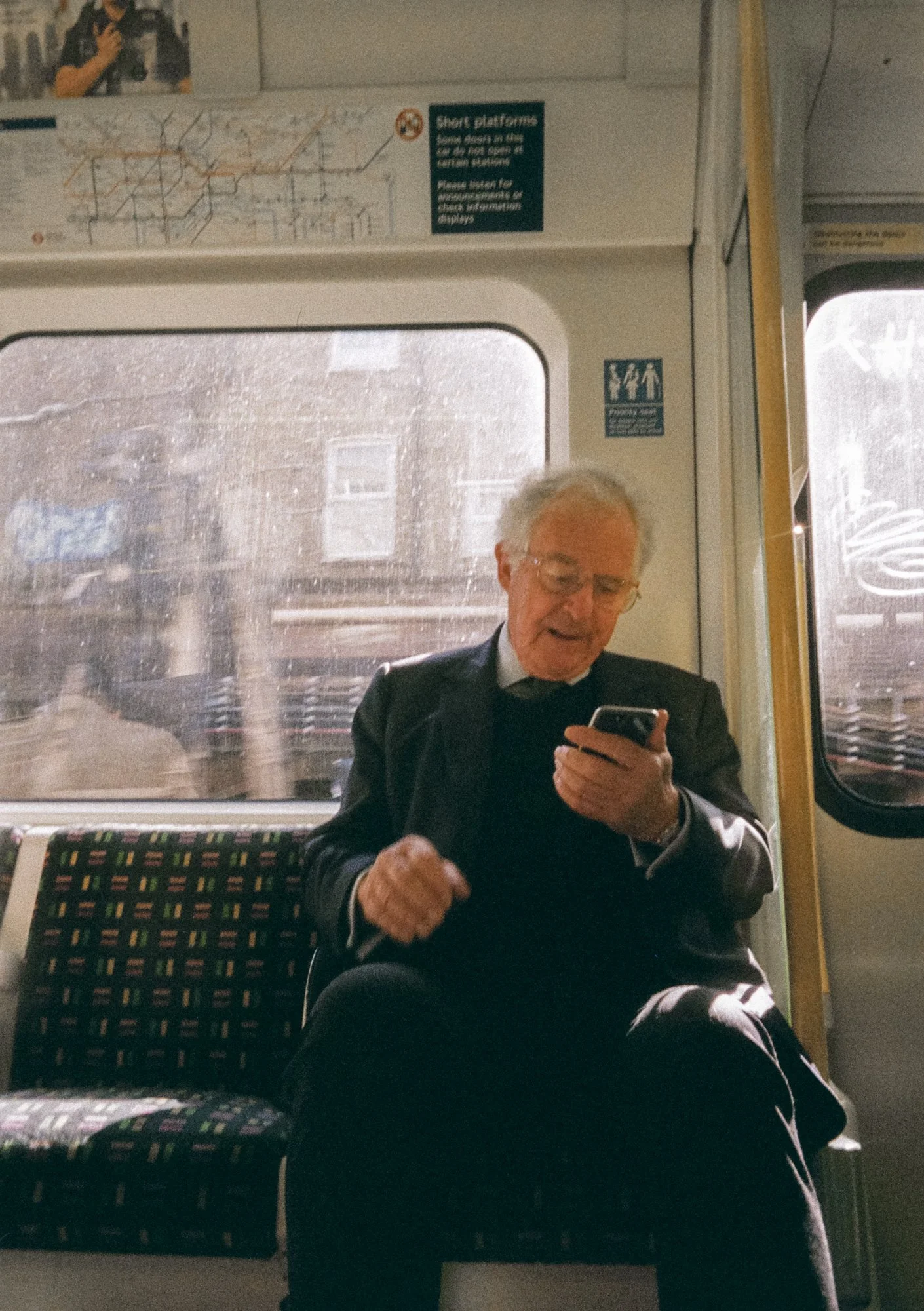
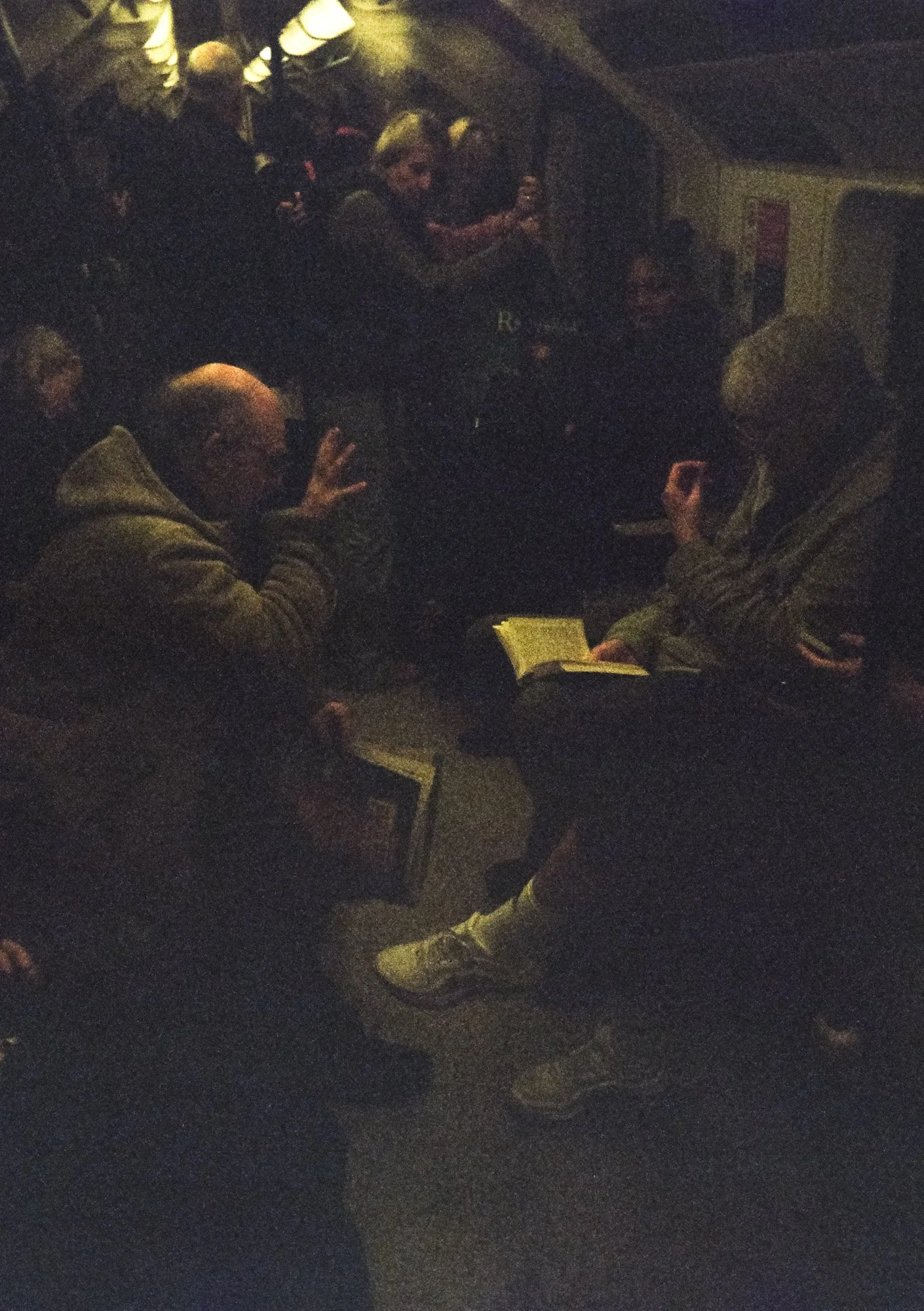
A few months ago, I spent some time in London and committed these crimes.
Perhaps what bothers me most, though, is how the poster constructs the association.
Immediately after warning against any sort of public photography, it says that sharing sexual pictures or videos without permission is a serious crime. Then comes the warning: ‘If you do these things, you could be arrested by the police. This could affect your asylum support and your asylum claim.’
You could call it guilt by association.
A perfectly legal activity gets the huge headline and the illustration. A serious sexual offence is placed directly underneath it. Arrest and immigration consequences are then laid across everything that came before.
Grammatically and visually, the distinctions disappear.
The idea that photographing somebody in public requires their permission is already an extraordinarily persistent myth. Photographers encounter it. Journalists encounter it. People documenting demonstrations or recording the actions of police encounter it.
And there is an asymmetry here.
Public space is already extensively recorded by cameras belonging to governments, transport systems, shops, businesses and private security. Those cameras are allowed to create their record of public life.
But according to this poster, the ordinary person pointing a camera back at the world should apparently think twice. And then decide against it.
Photography is part of how journalism works, how authorities are scrutinised, and how ordinary people bear witness to events around them. It is part of our shared memory. It is how people express themselves and connect with other people.
If only institutions get to record public space without suspicion, whose record of public life are we left with?
Photography is not a crime. A government department explaining the law should be capable of explaining the difference.