How to commission a photographer
A good photograph often takes about as much effort to make as a mediocre one.
That might sound strange, particularly if you are commissioning photography on a limited budget. Surely asking for fewer pictures, giving the photographer less time or lowering expectations should make an assignment cheaper and easier?
Not necessarily.
A large part of a photographer’s work happens outside the actual moment of making photographs. There are people to contact, places to get to, situations to understand and pictures to deliver. What makes a surprisingly large difference is how much of the photographer’s time can actually be spent thinking about and making photographs, rather than sorting out things that could have been resolved beforehand.
I work mainly in photojournalism, editorial photography and documentary assignments, so that is the perspective I am writing from here. Commercial productions work differently, and there are situations where a photograph genuinely needs to follow a very precise concept.
But for most editorial assignments, I think commissioning photography well comes down to something quite simple:
You are commissioning the photographer’s judgement, not just their ability to operate a camera.
The better the conditions are for using that judgement, the better the chances of getting interesting pictures.
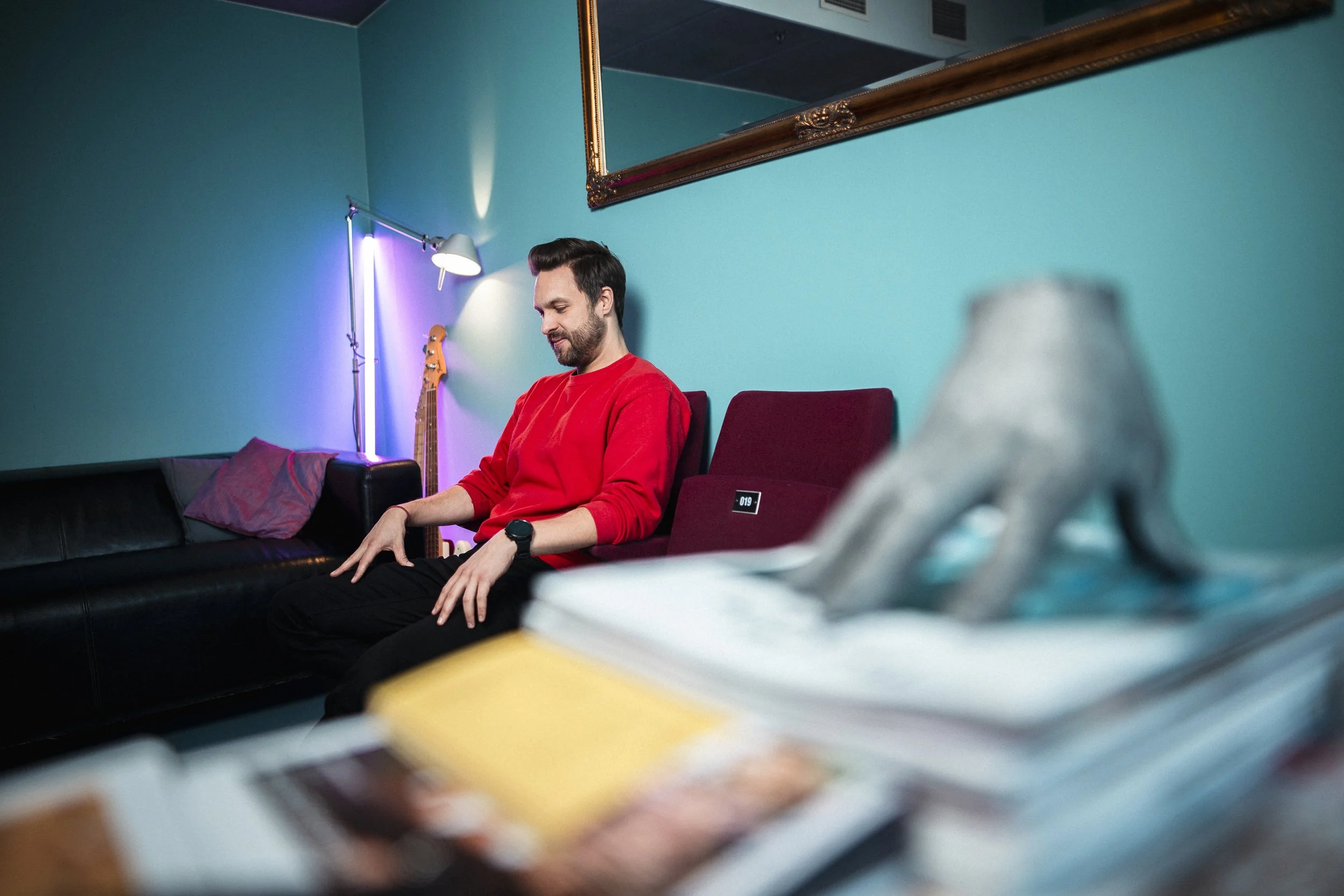
Jussi Sorjanen, Artistic Director of Espoo City Theatre, in his office four months into his tenure. December 2024. Photographed for Kansan Uutiset.
Start by finding the right photographer
There isn’t really such a thing as a photographer who is simply good at photography.
Good at what?
Some photographers are brilliant at constructing pictures. Others are at their best reacting quickly to situations they cannot control. Some make intimate portraits. Some are particularly good with politicians or children or athletes. Some use elaborate lighting; others rarely bring a light with them.
The same photographer is not the right person for every assignment.
A portfolio is useful not only because it shows what a photographer can do. It should also show what they want to do.
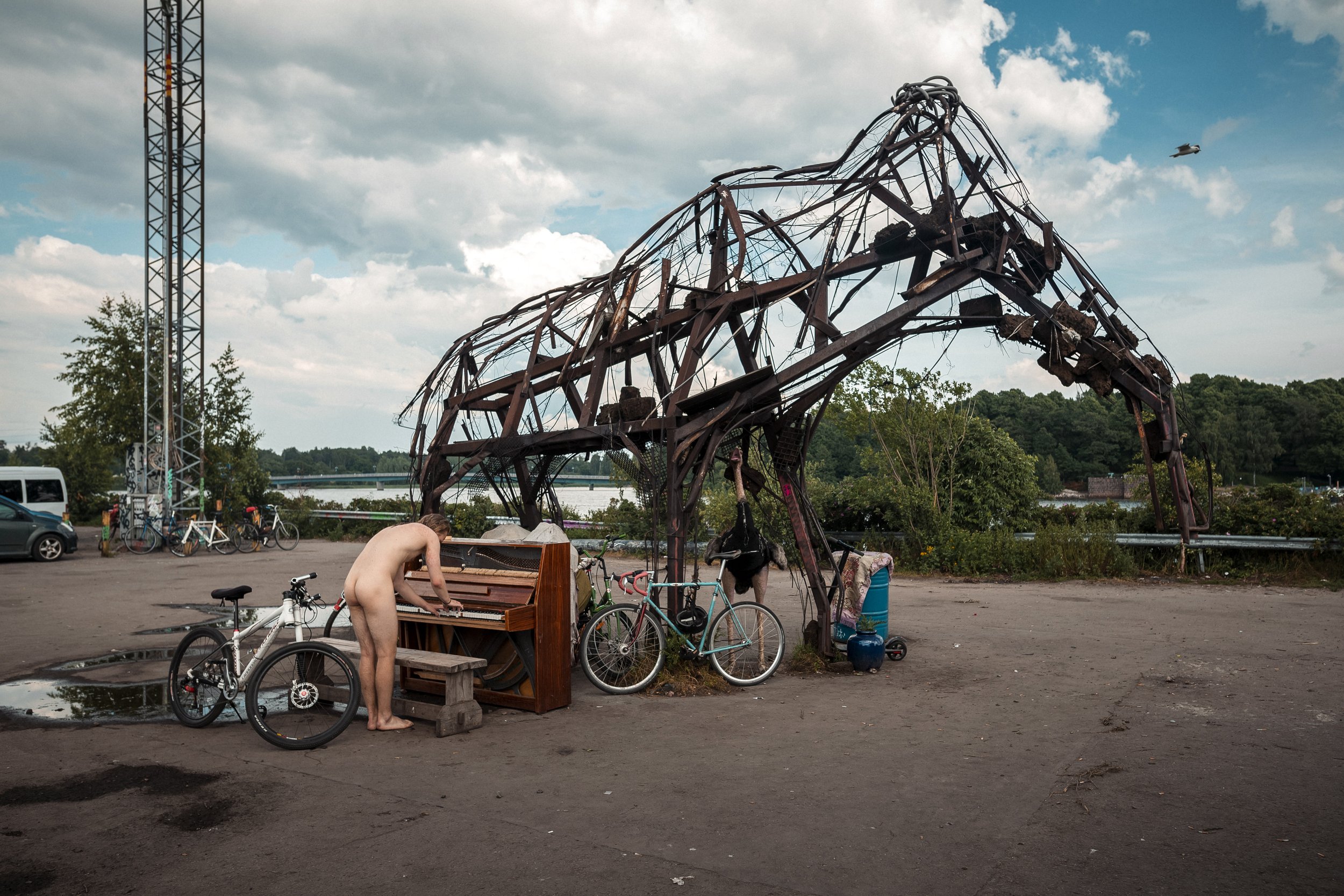
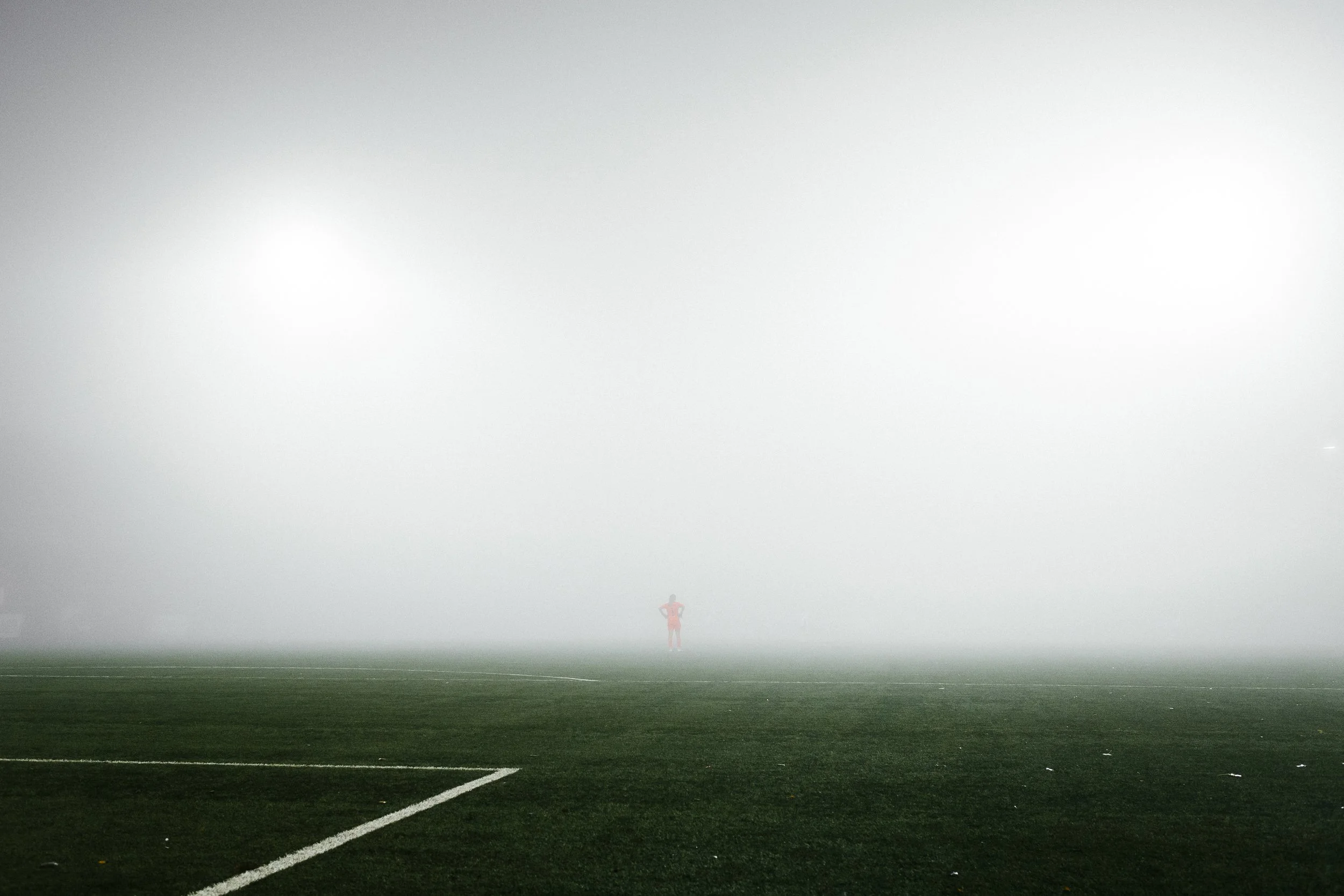
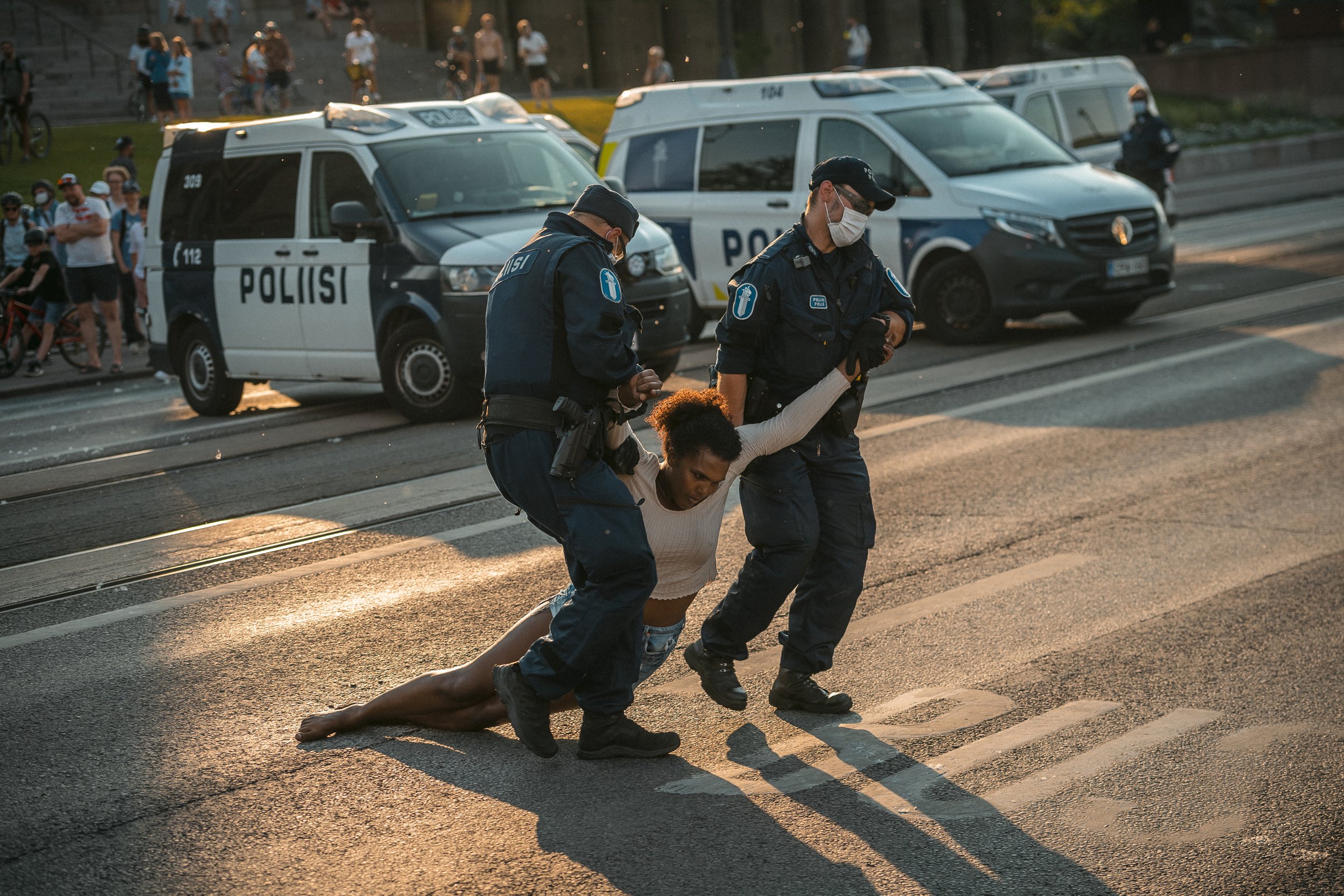
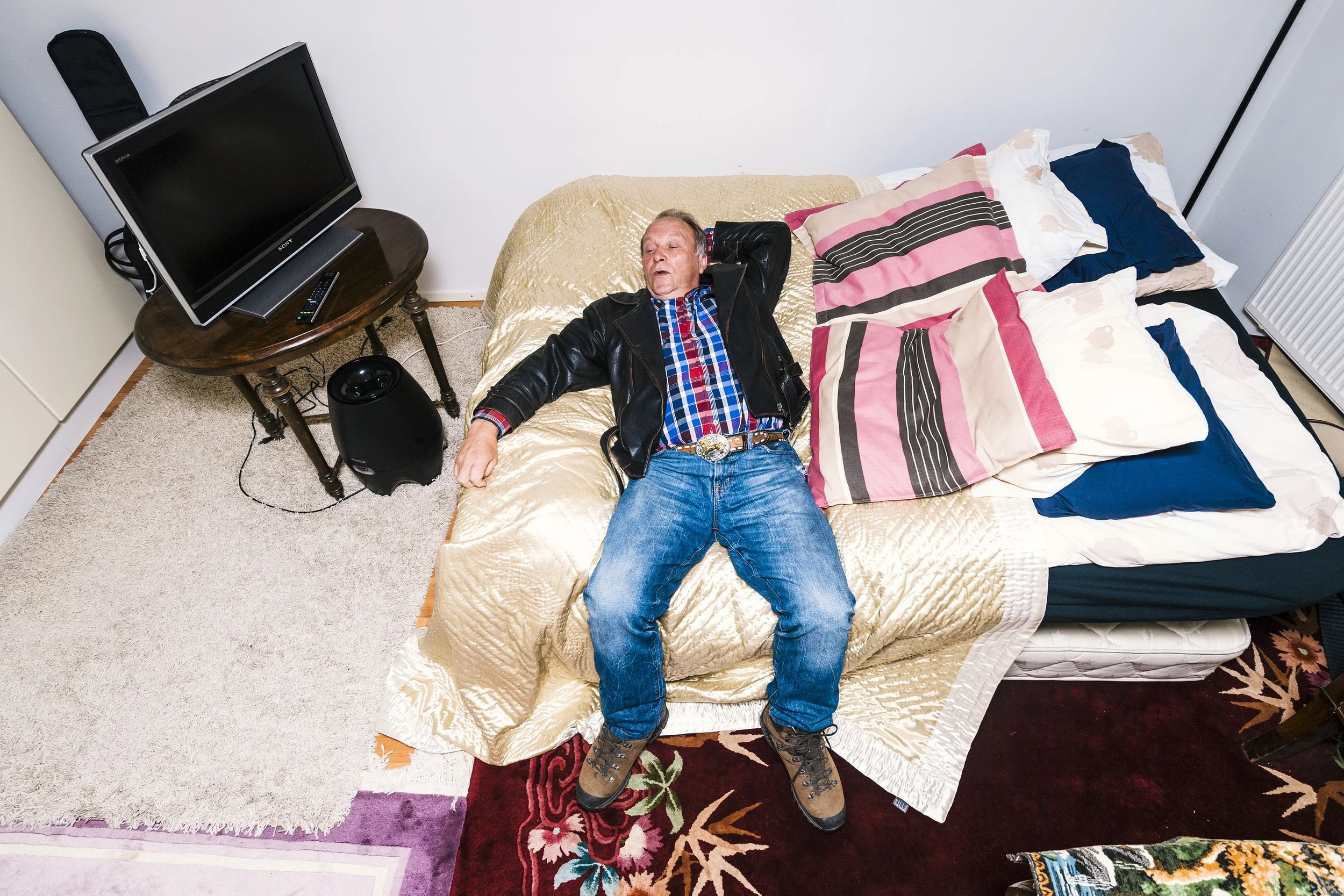
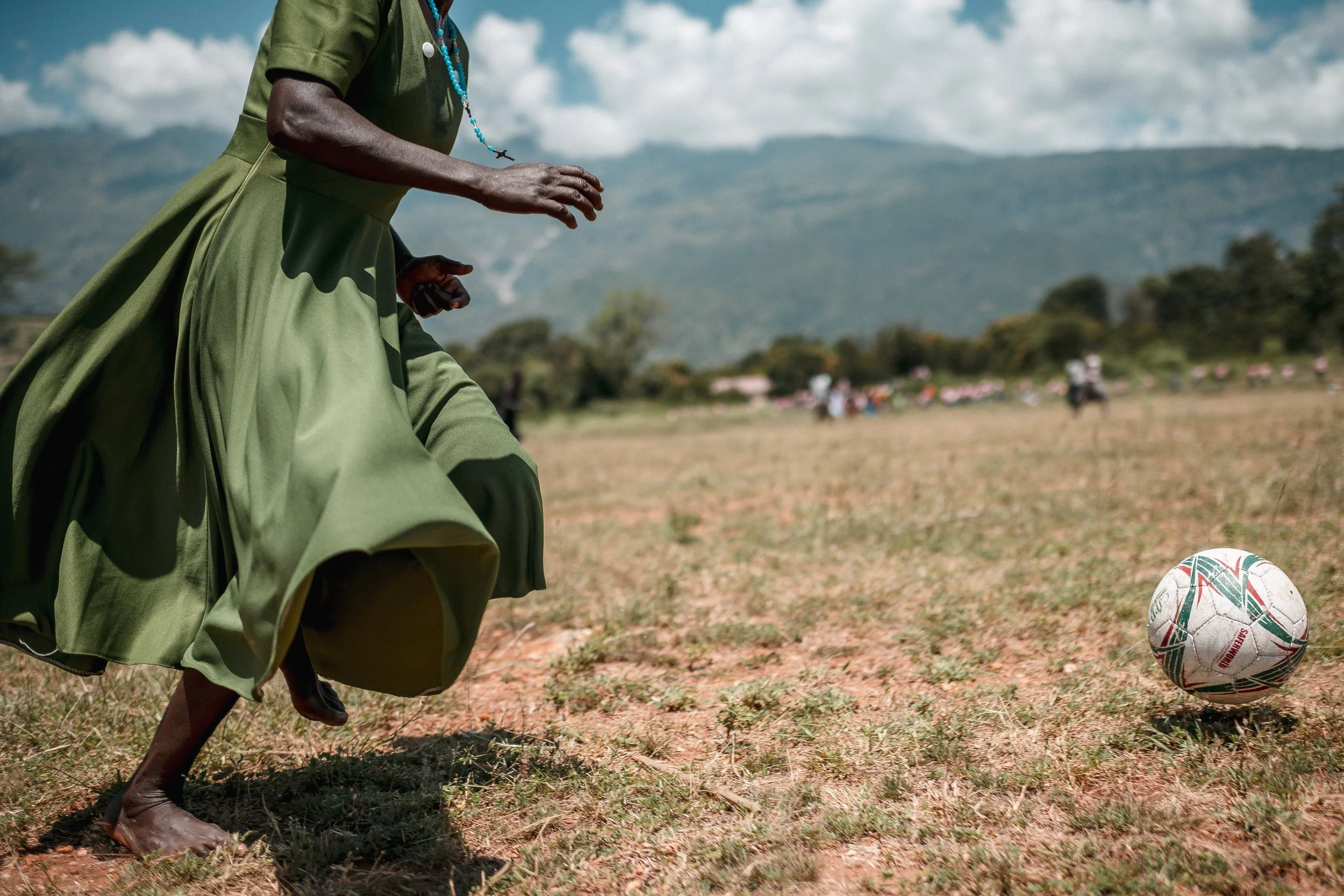
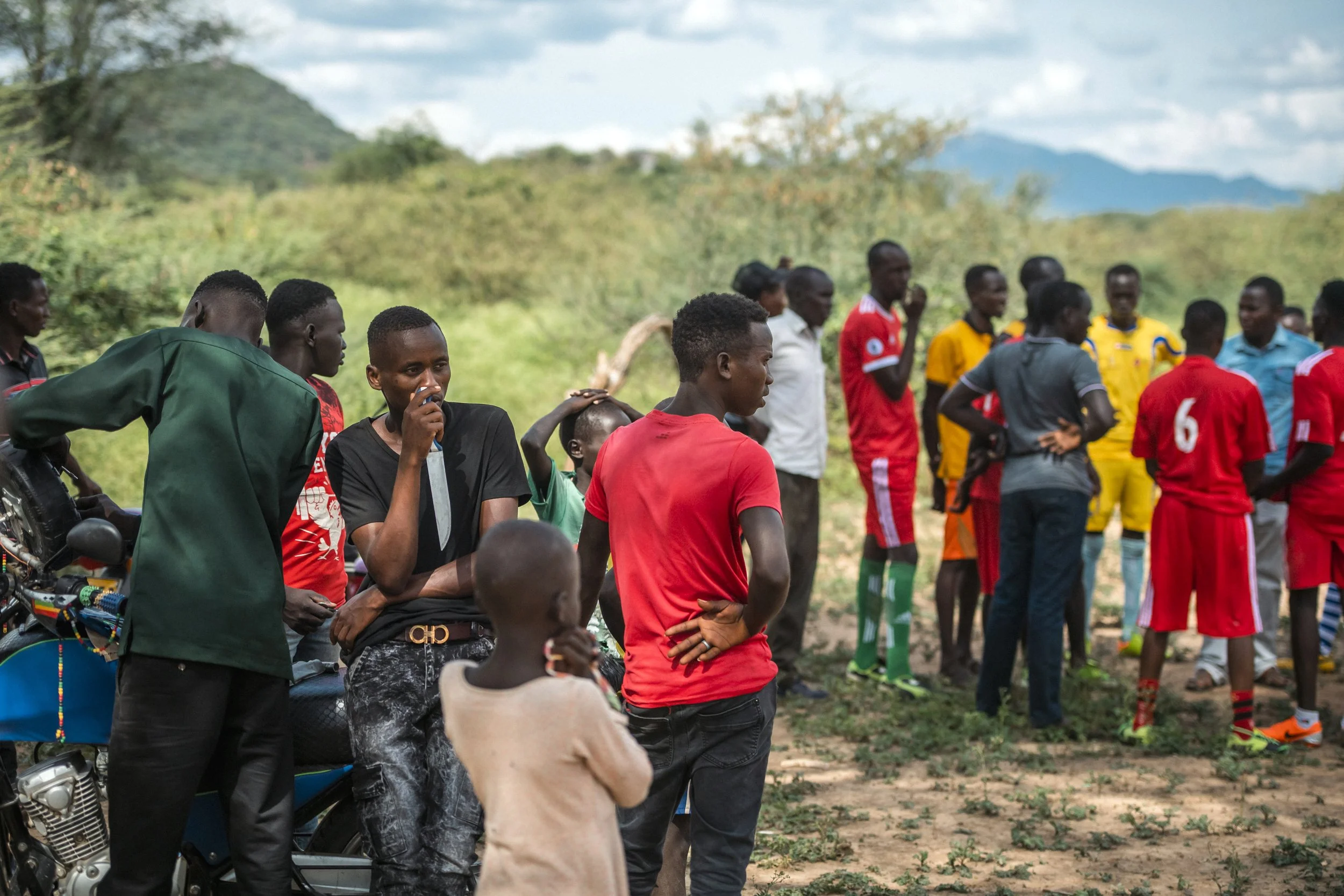
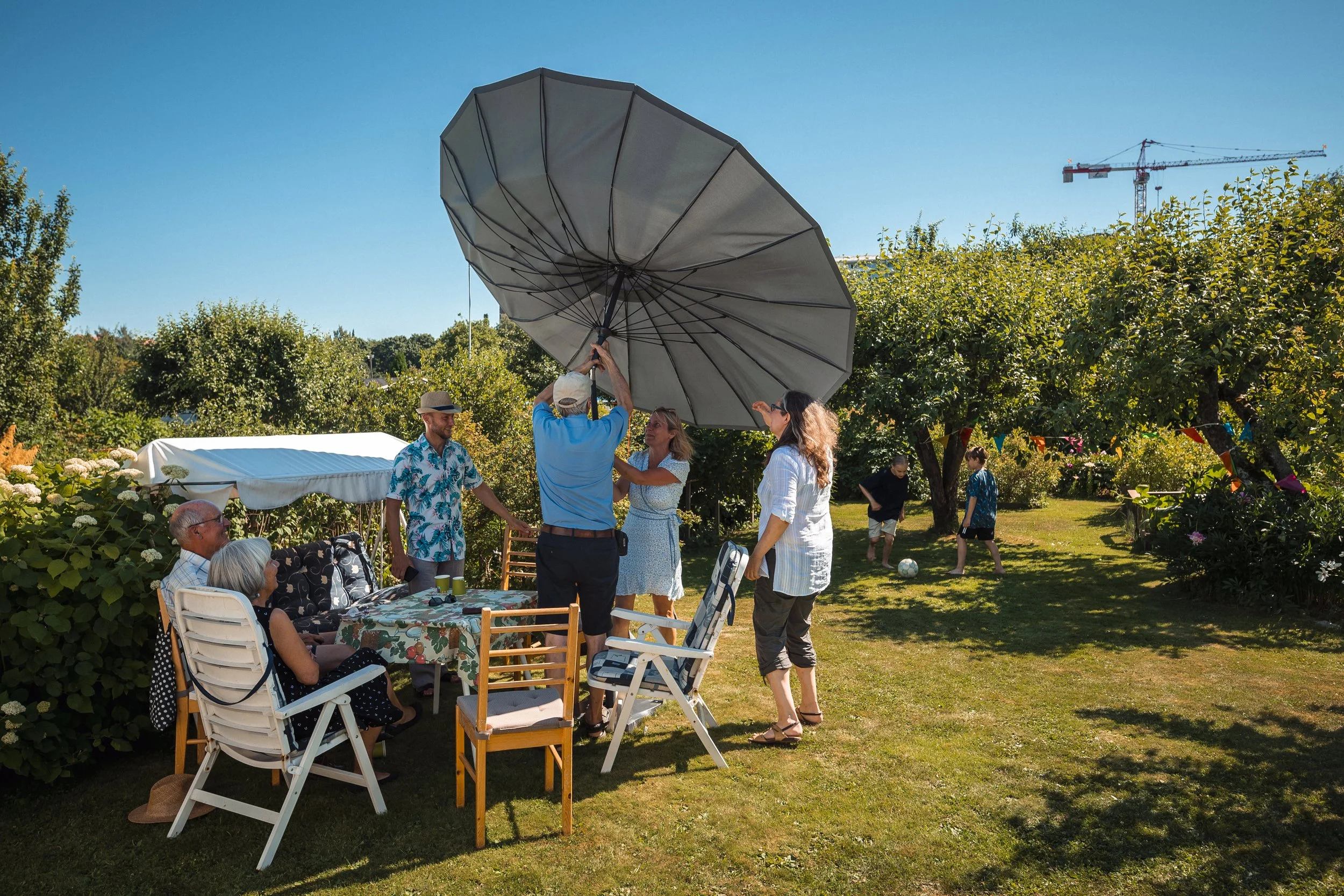
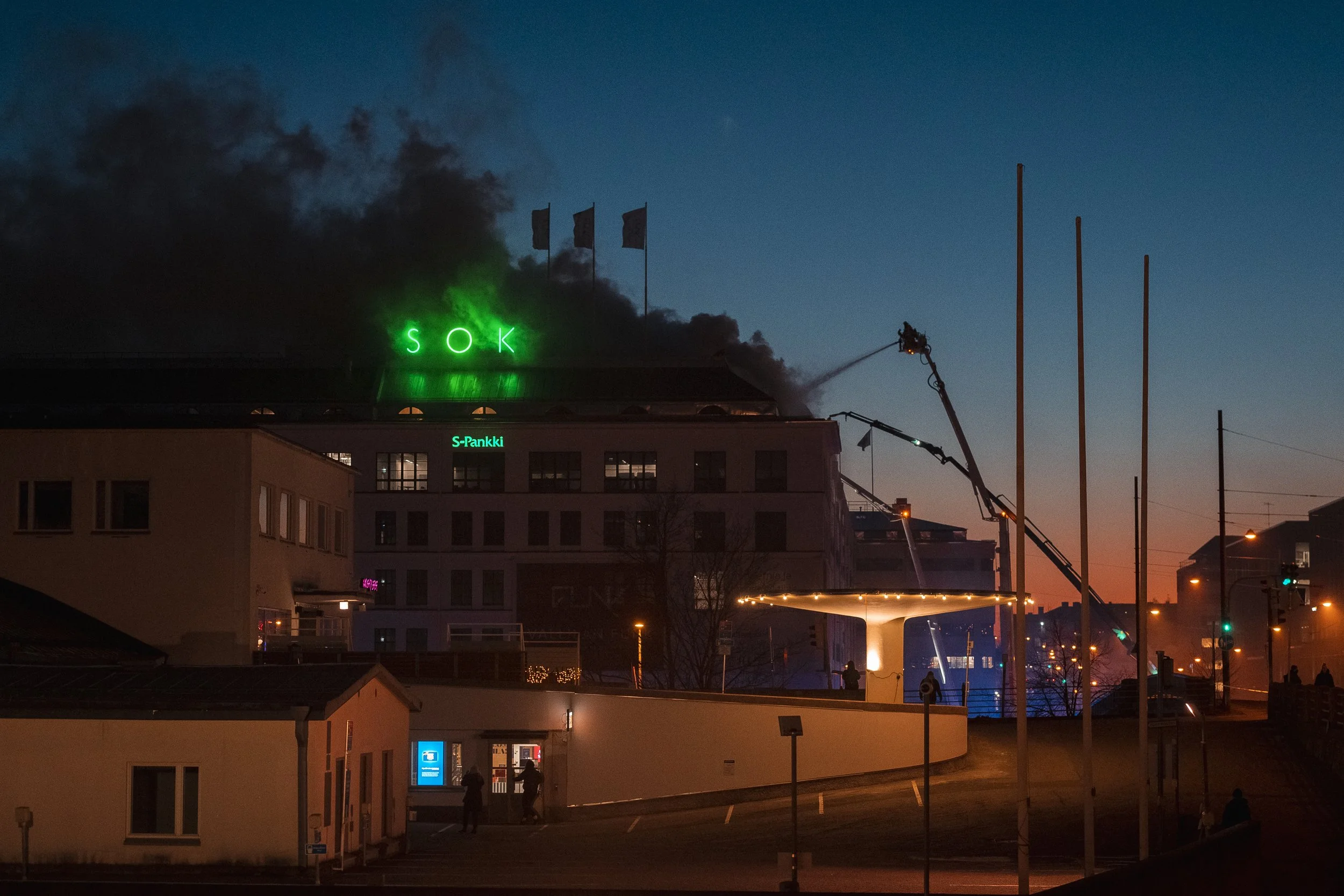
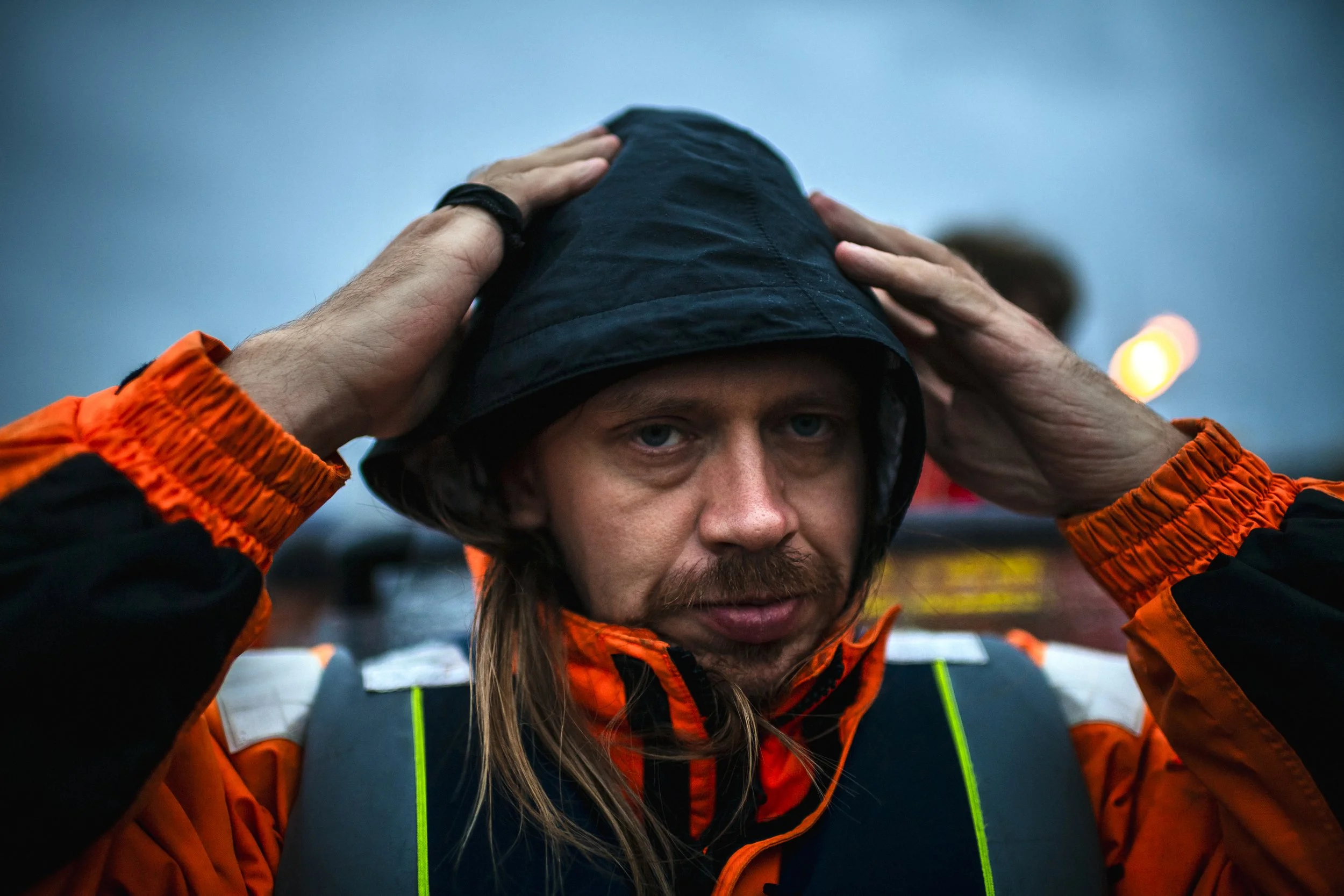
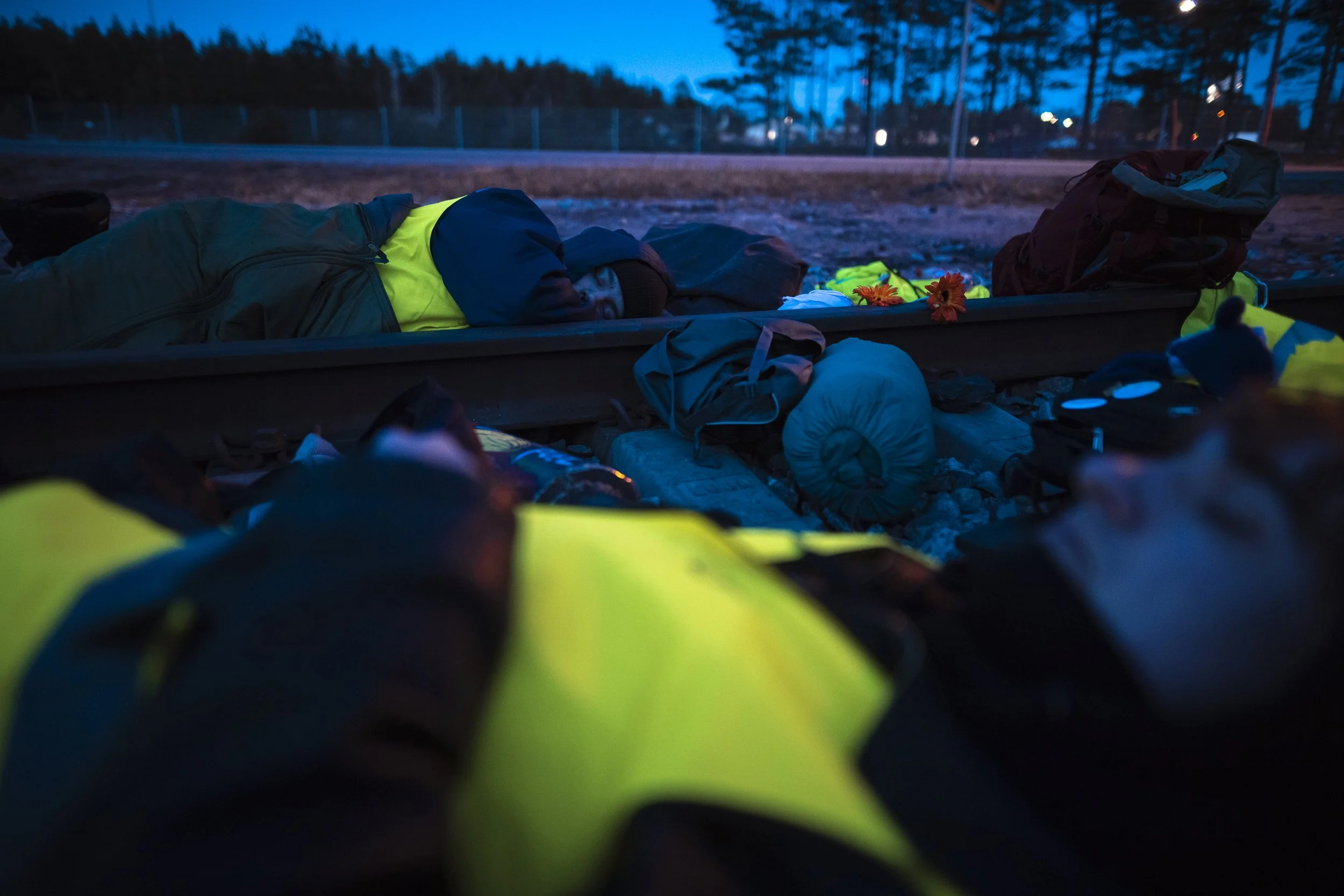
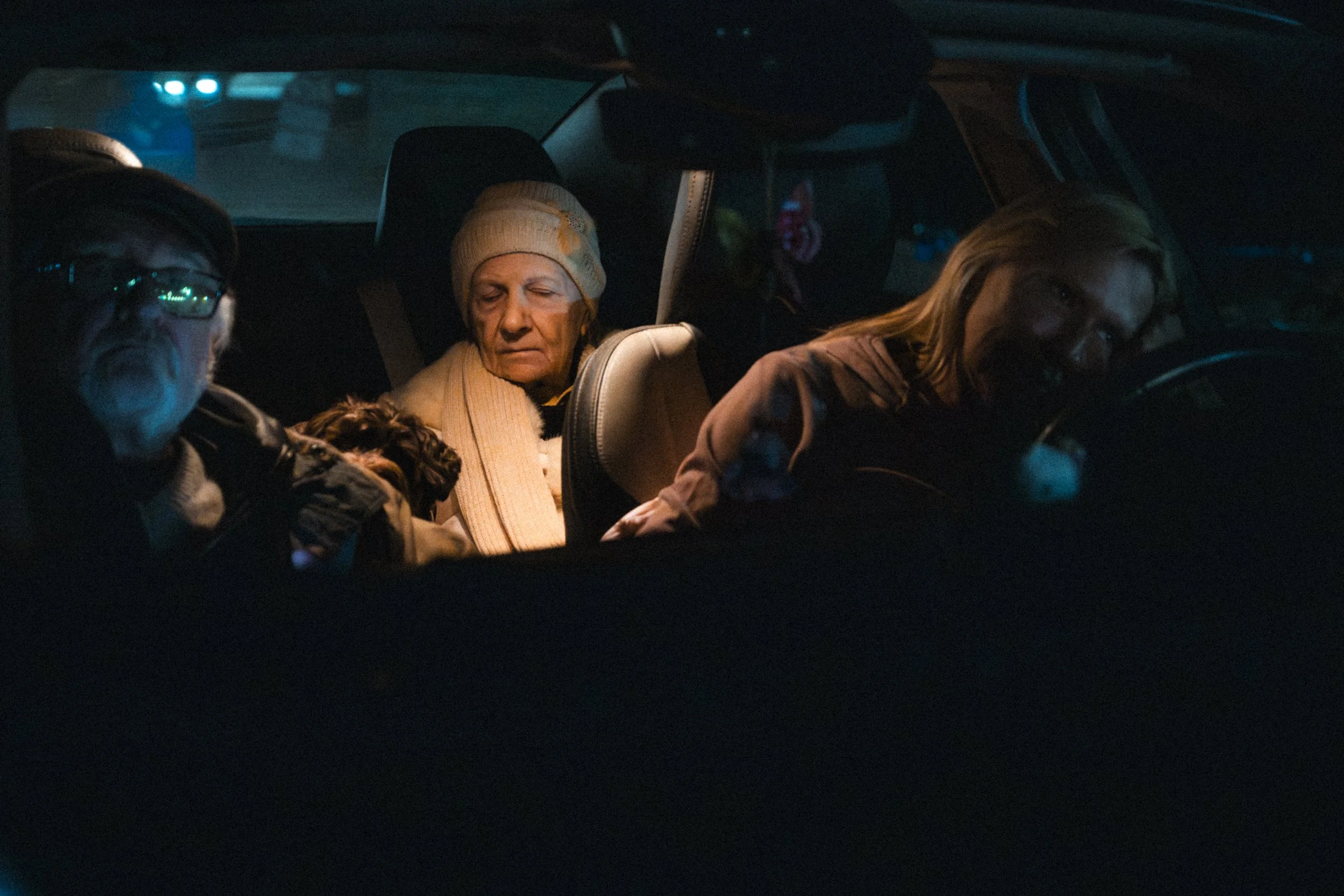

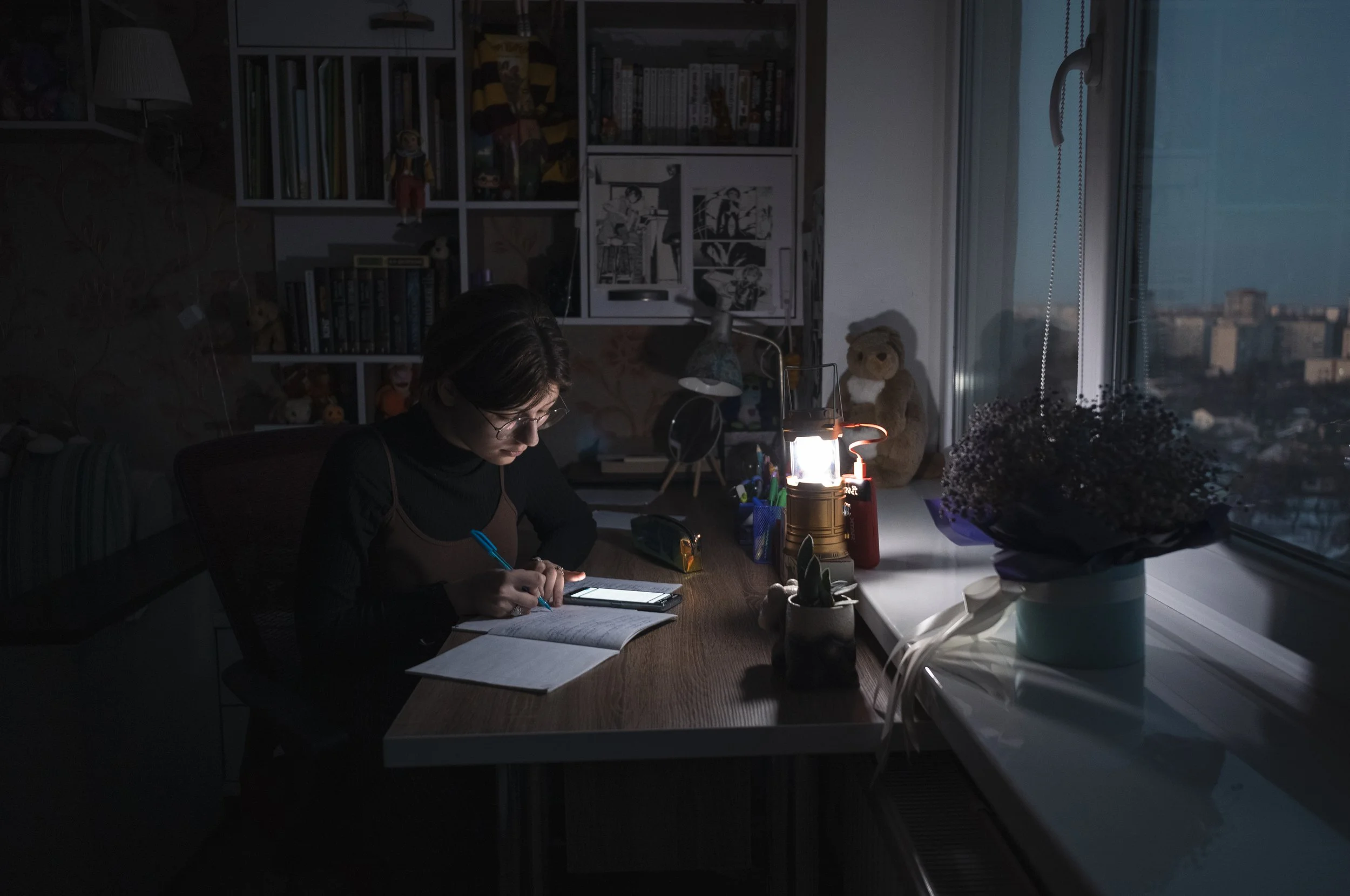
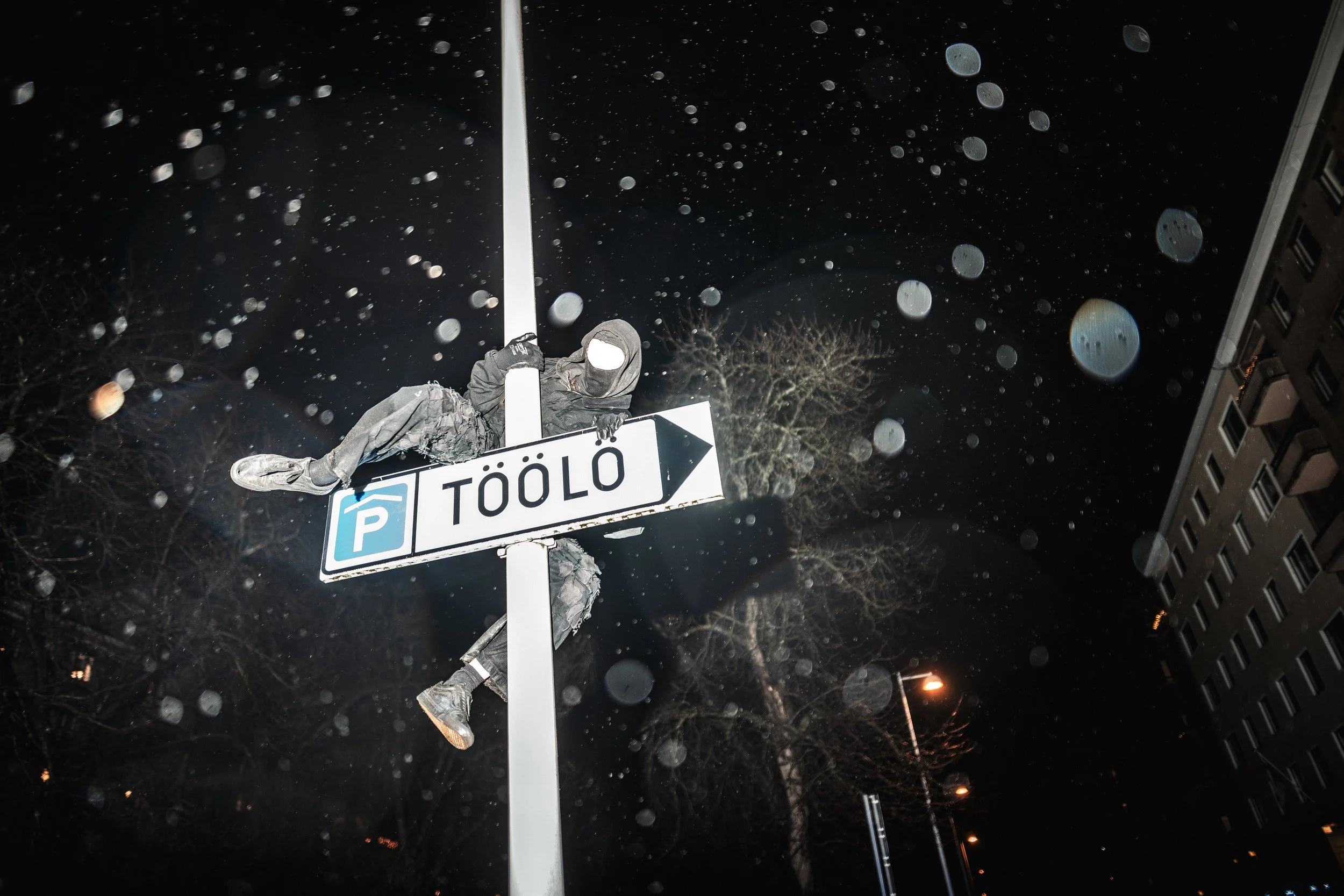
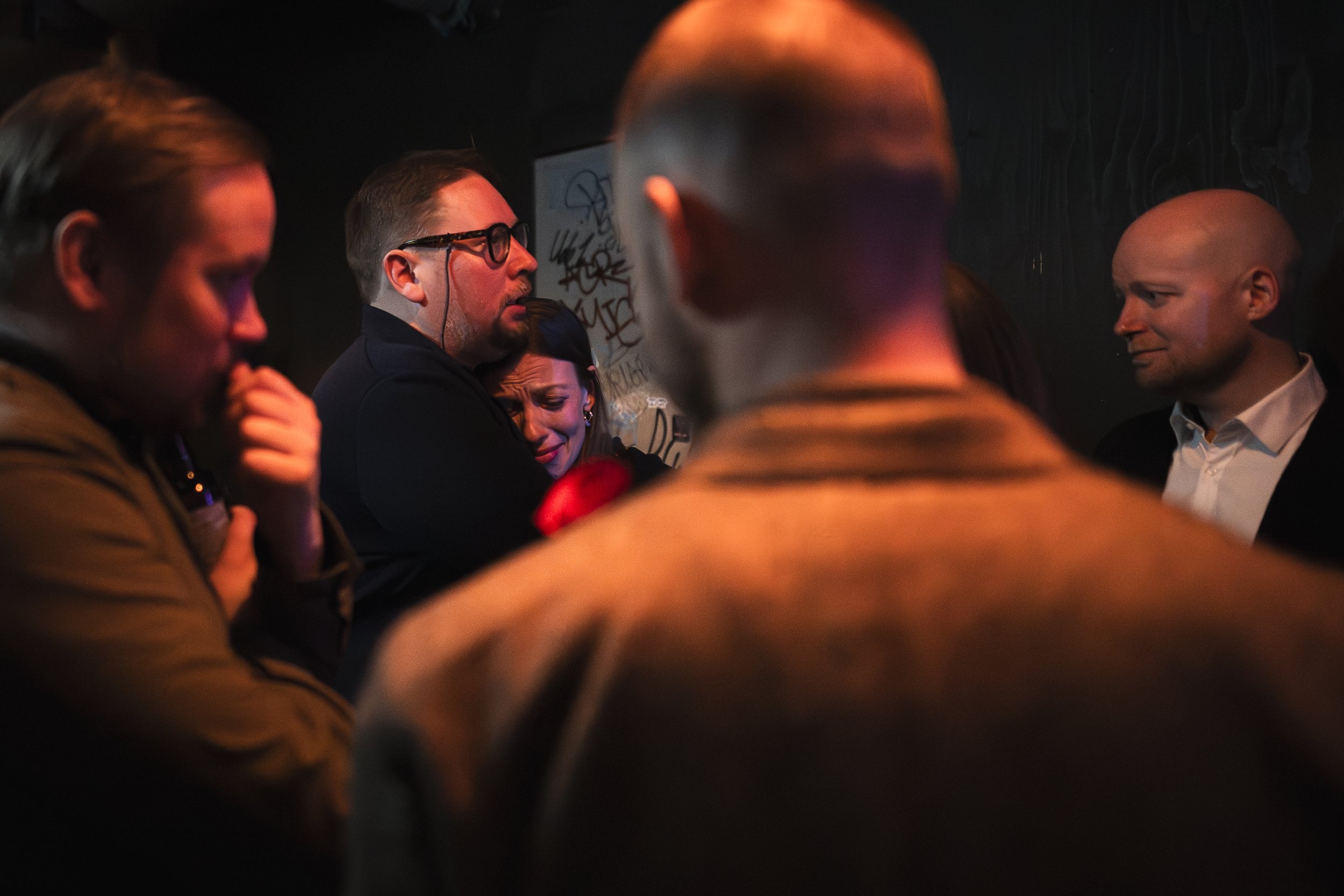
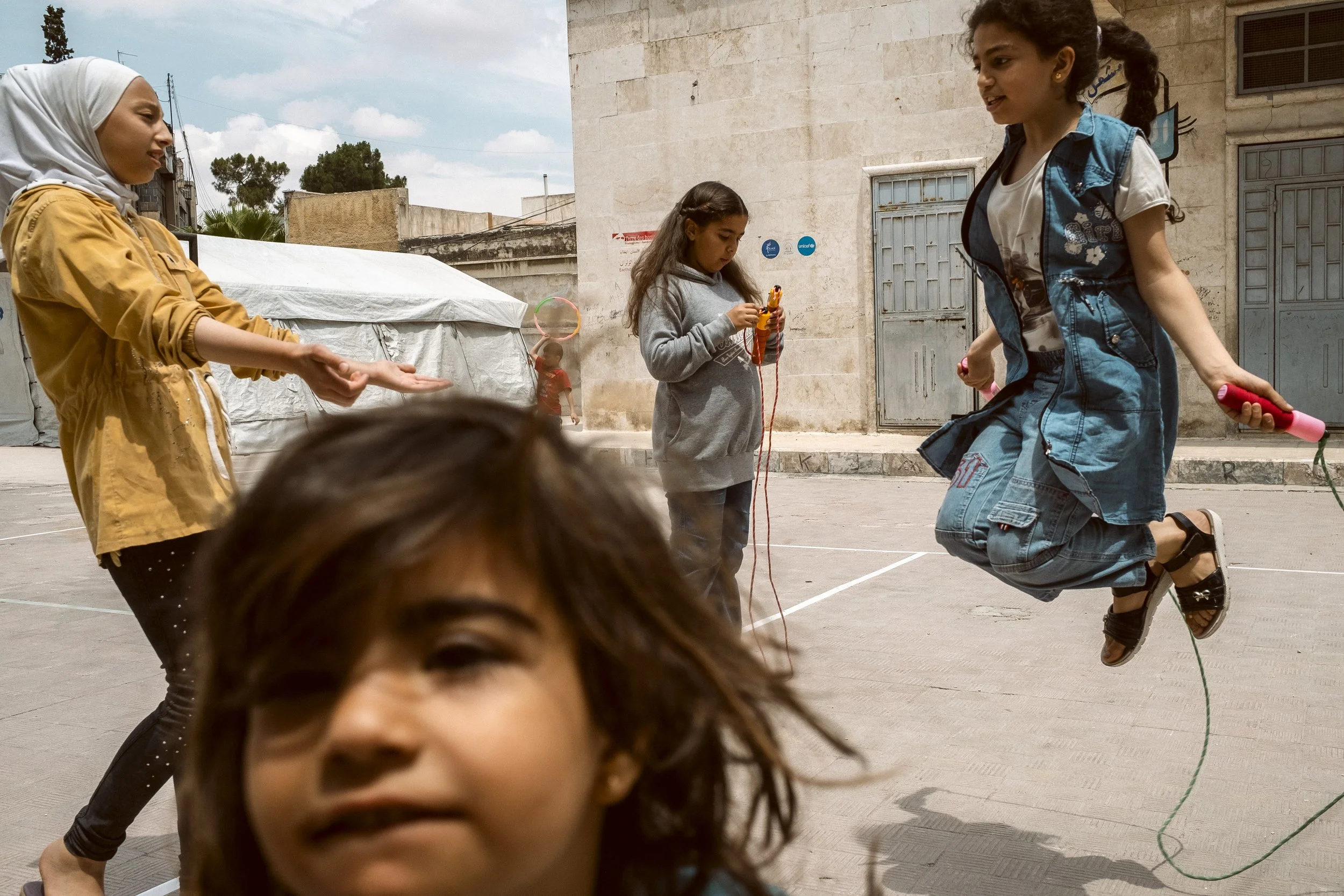
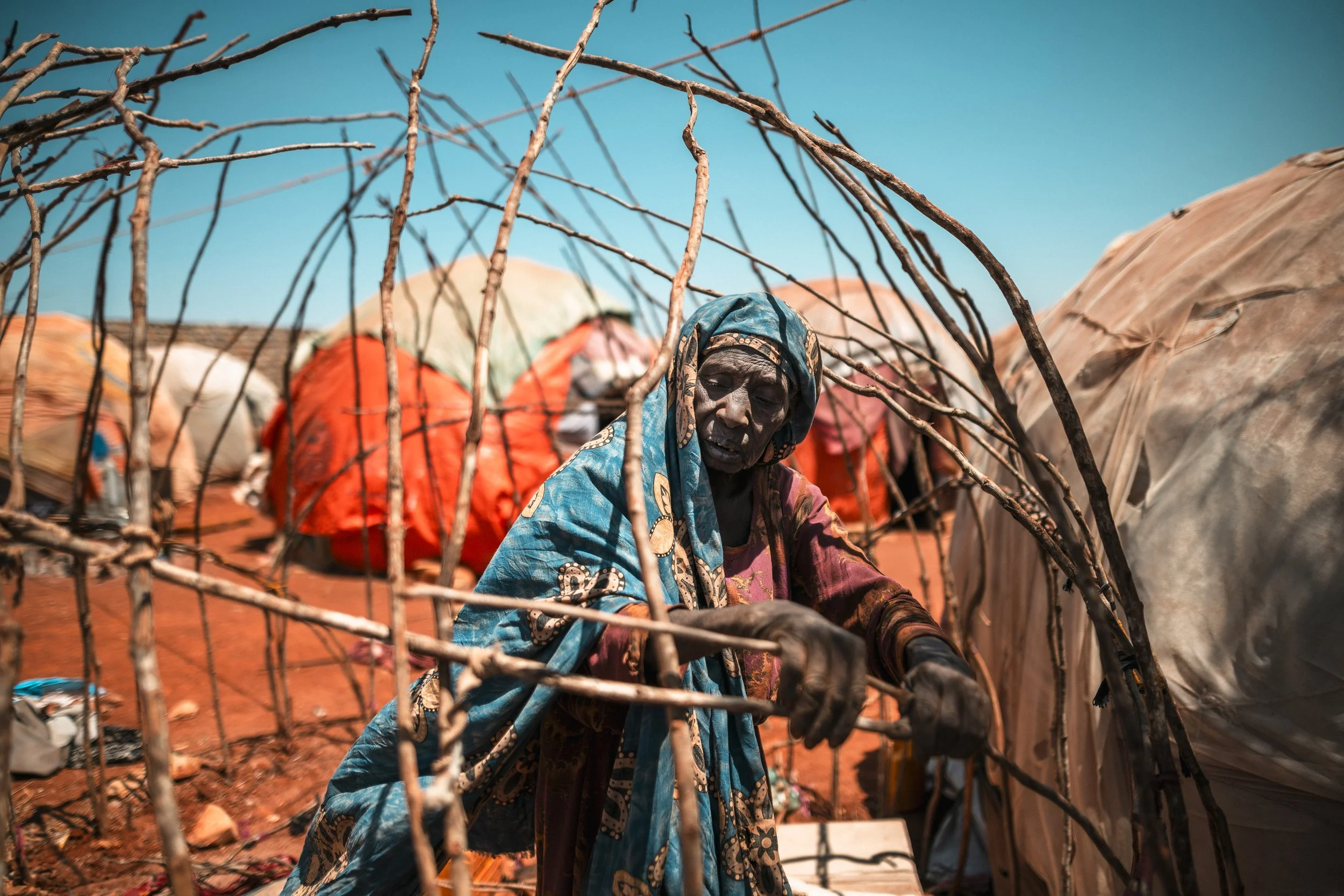
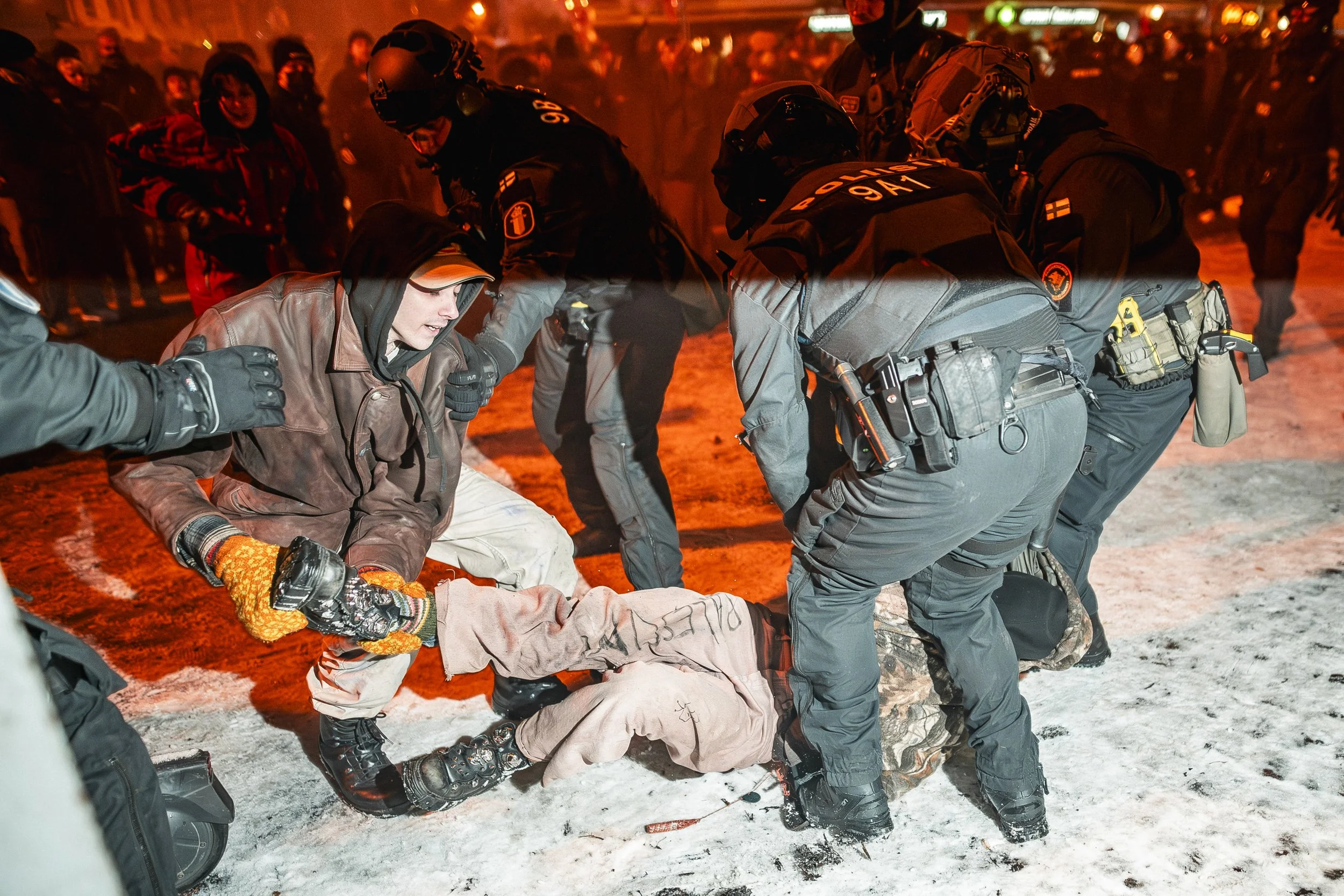
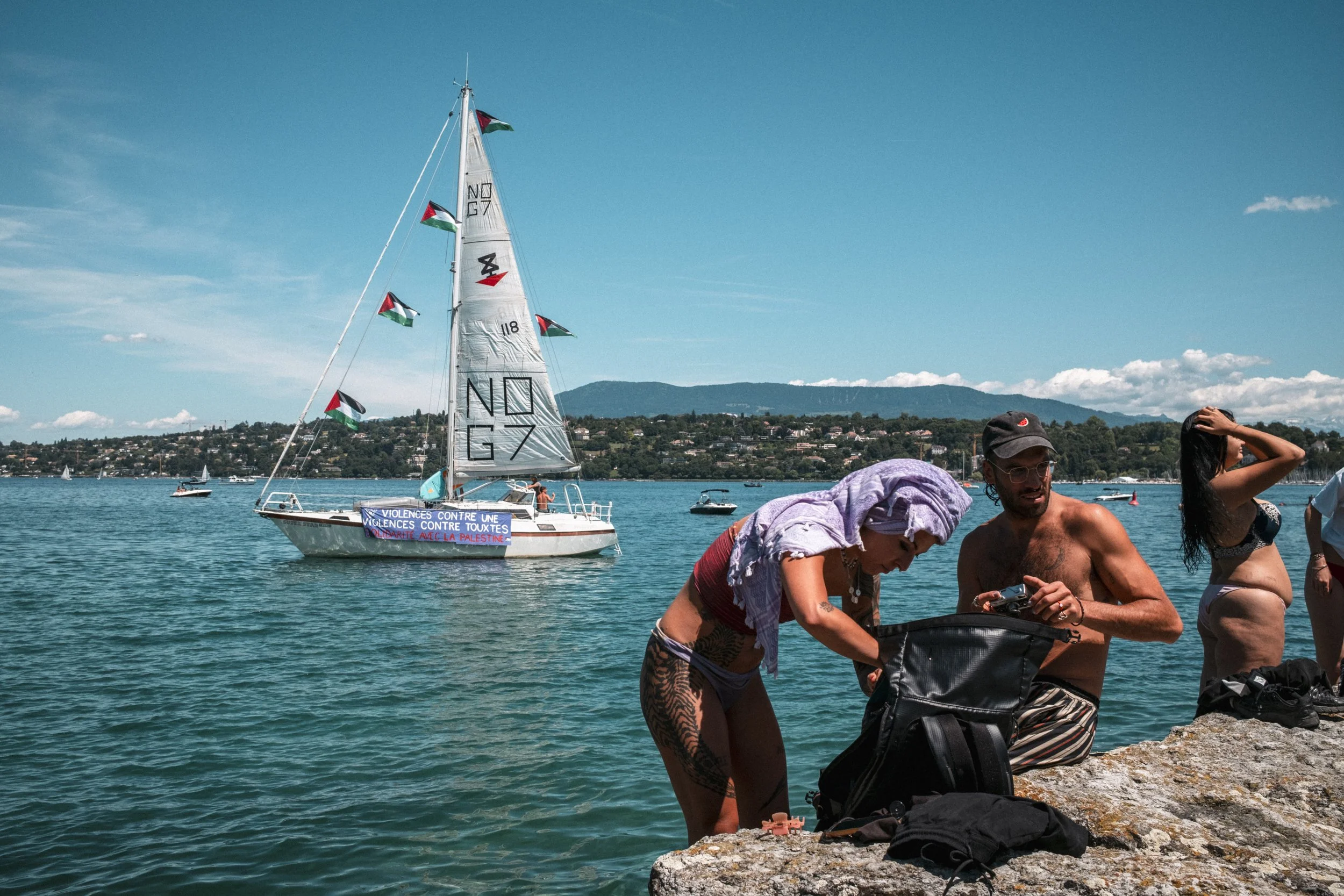
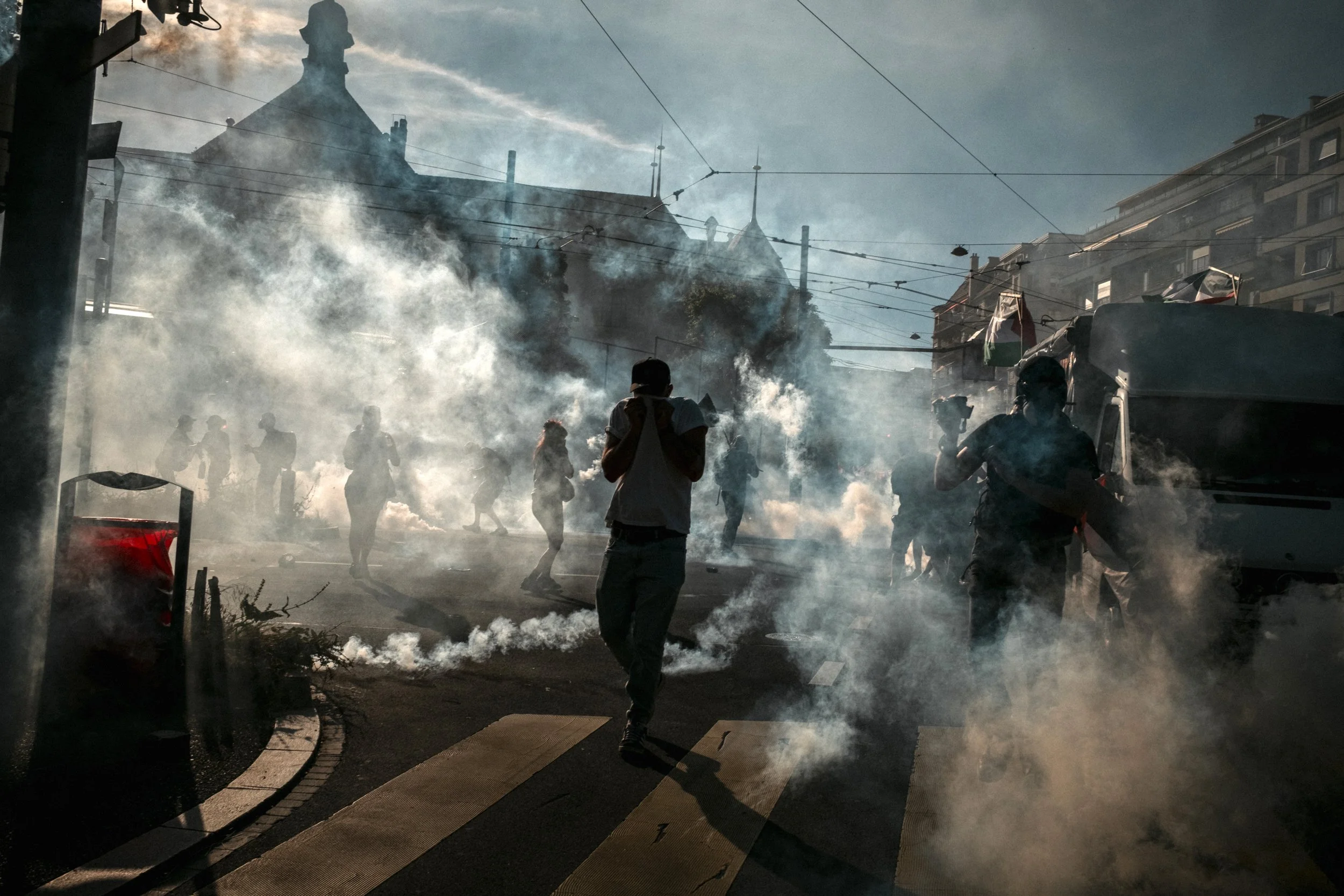
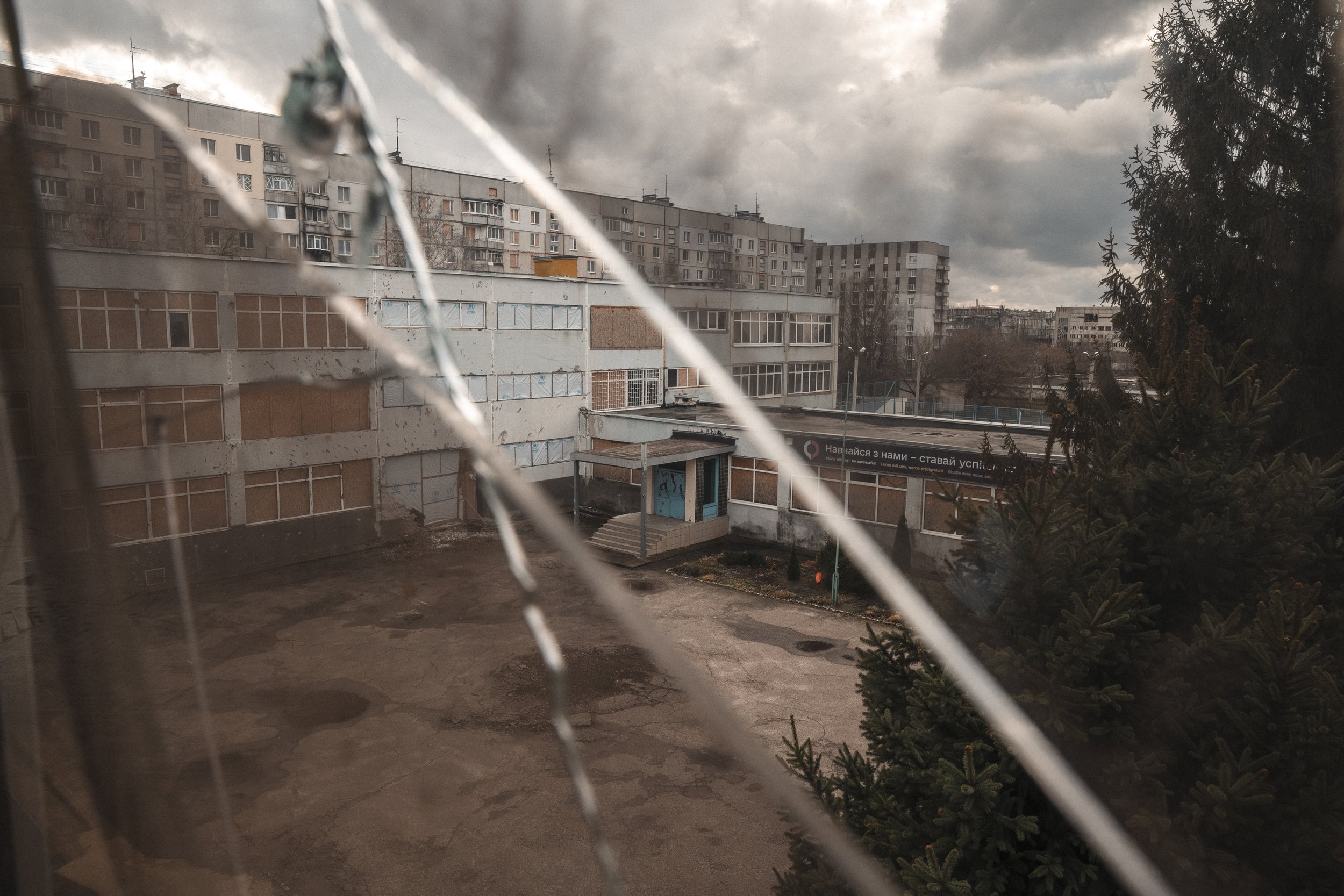
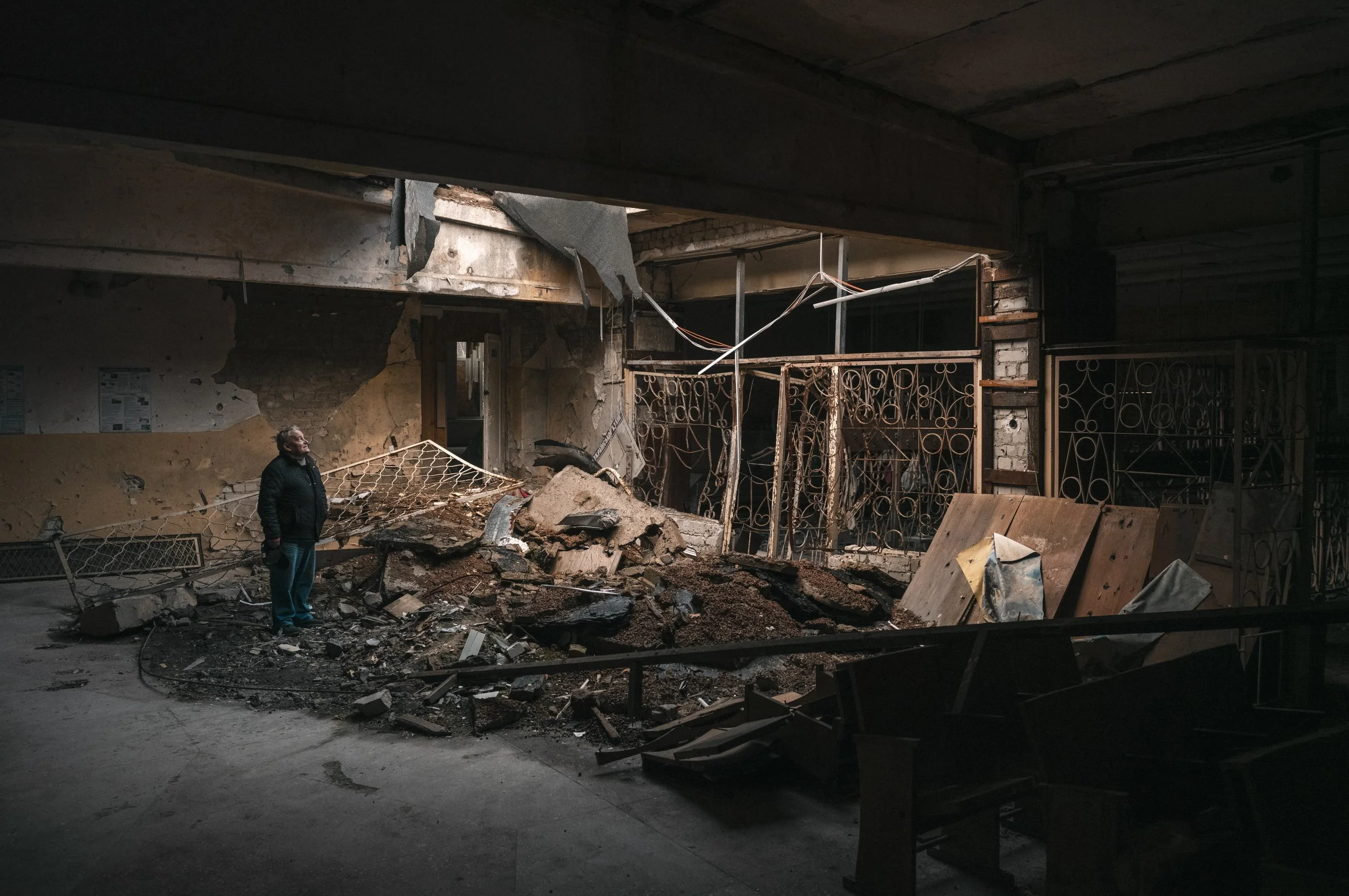
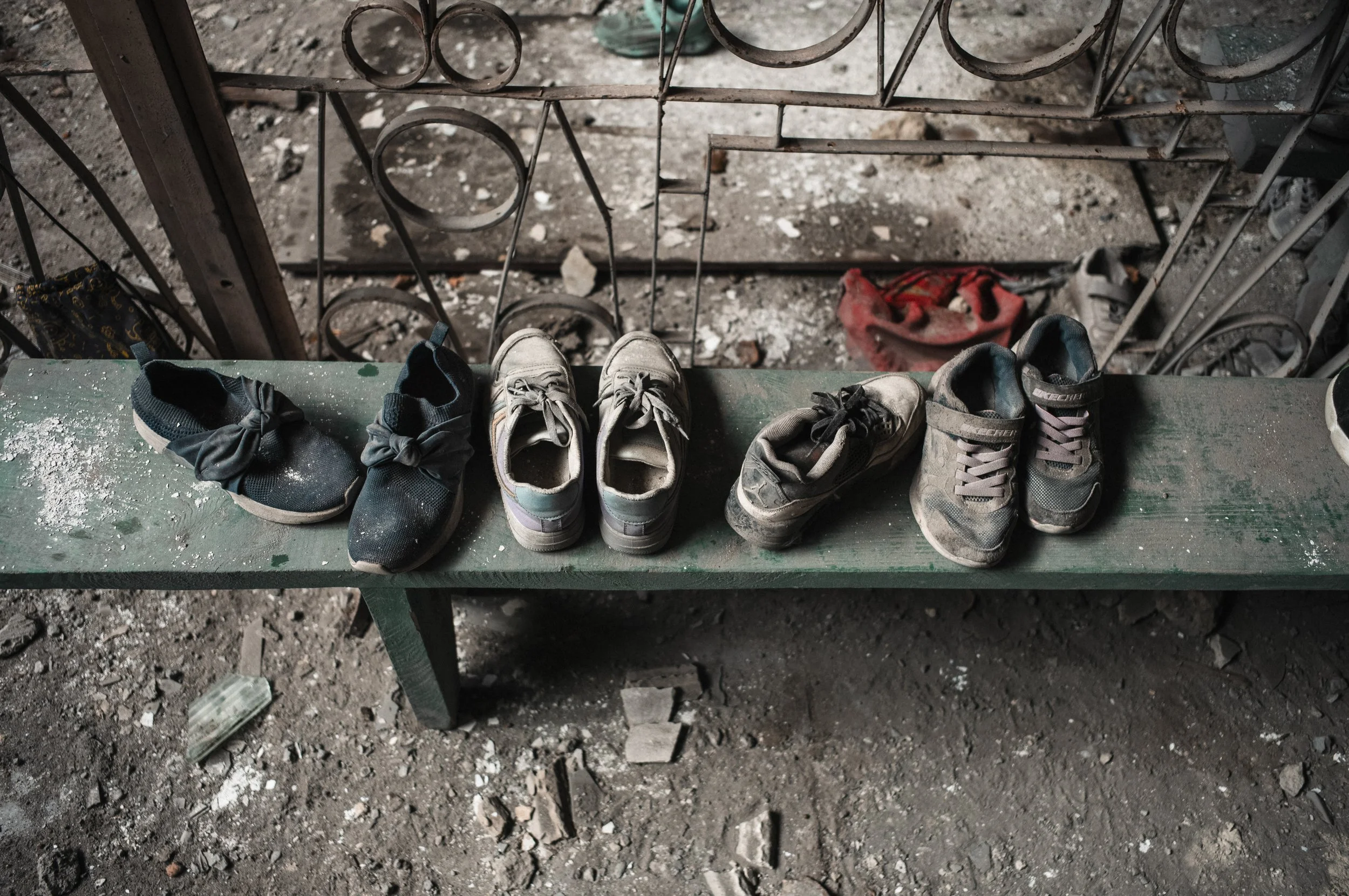
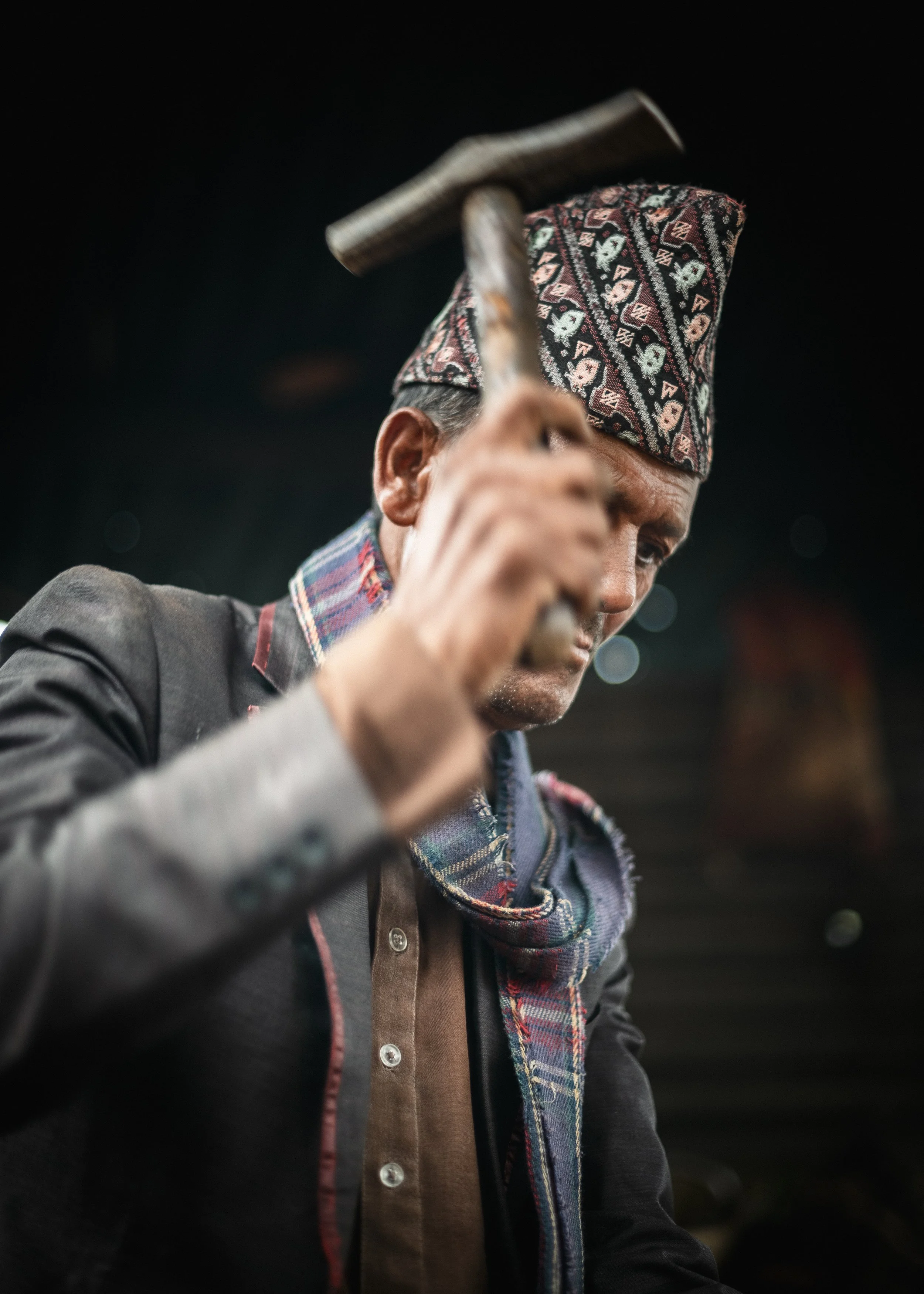
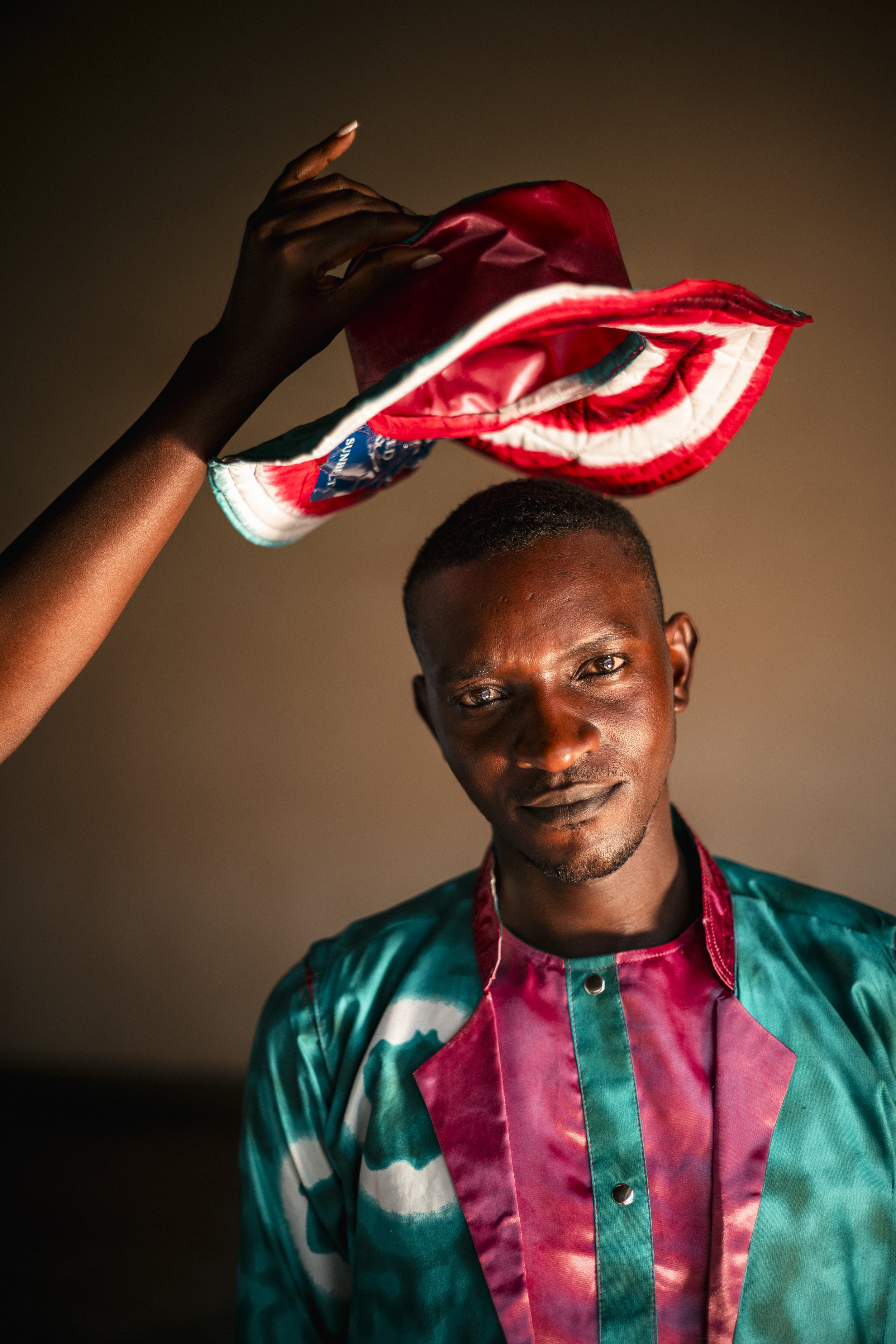
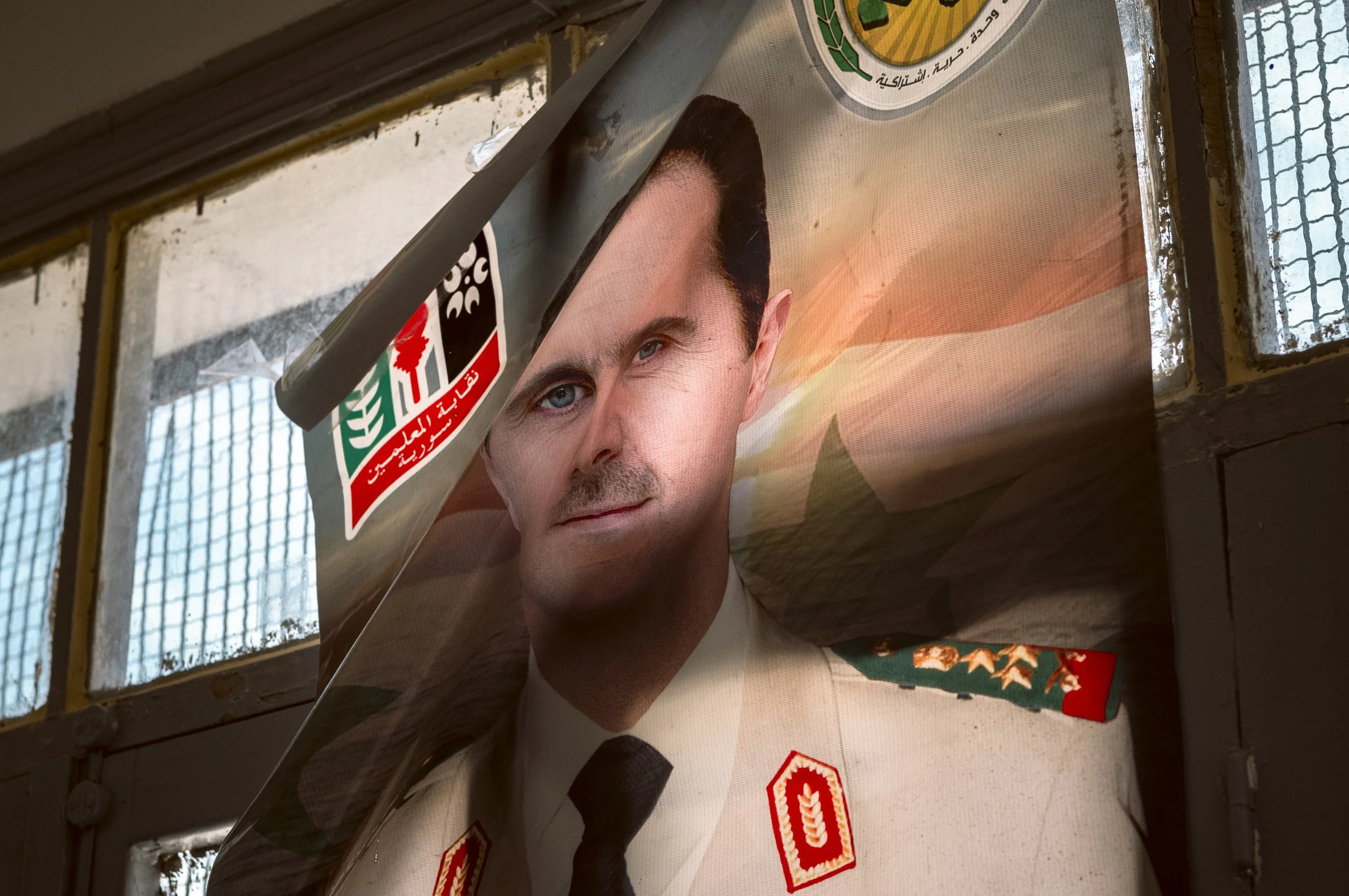
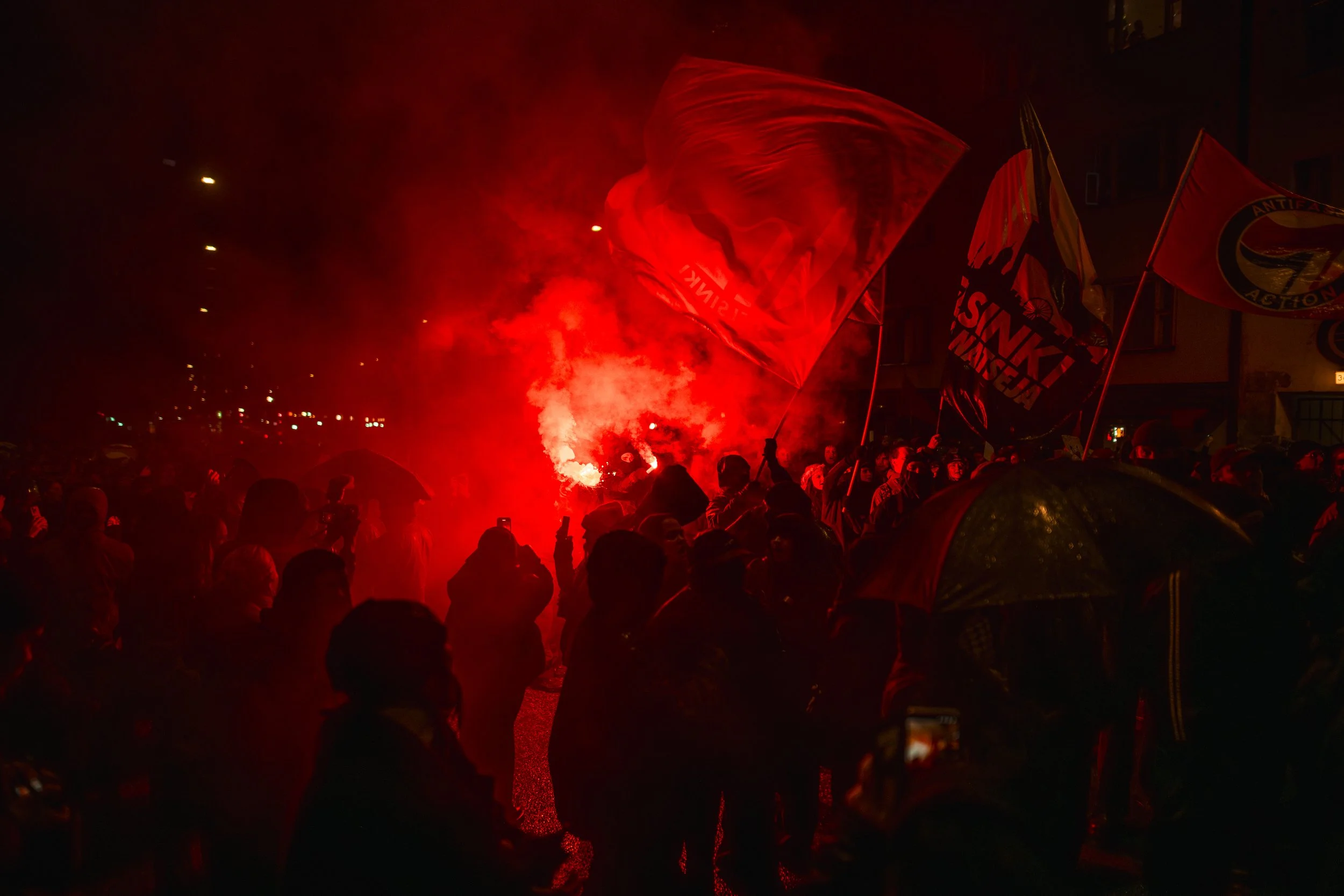
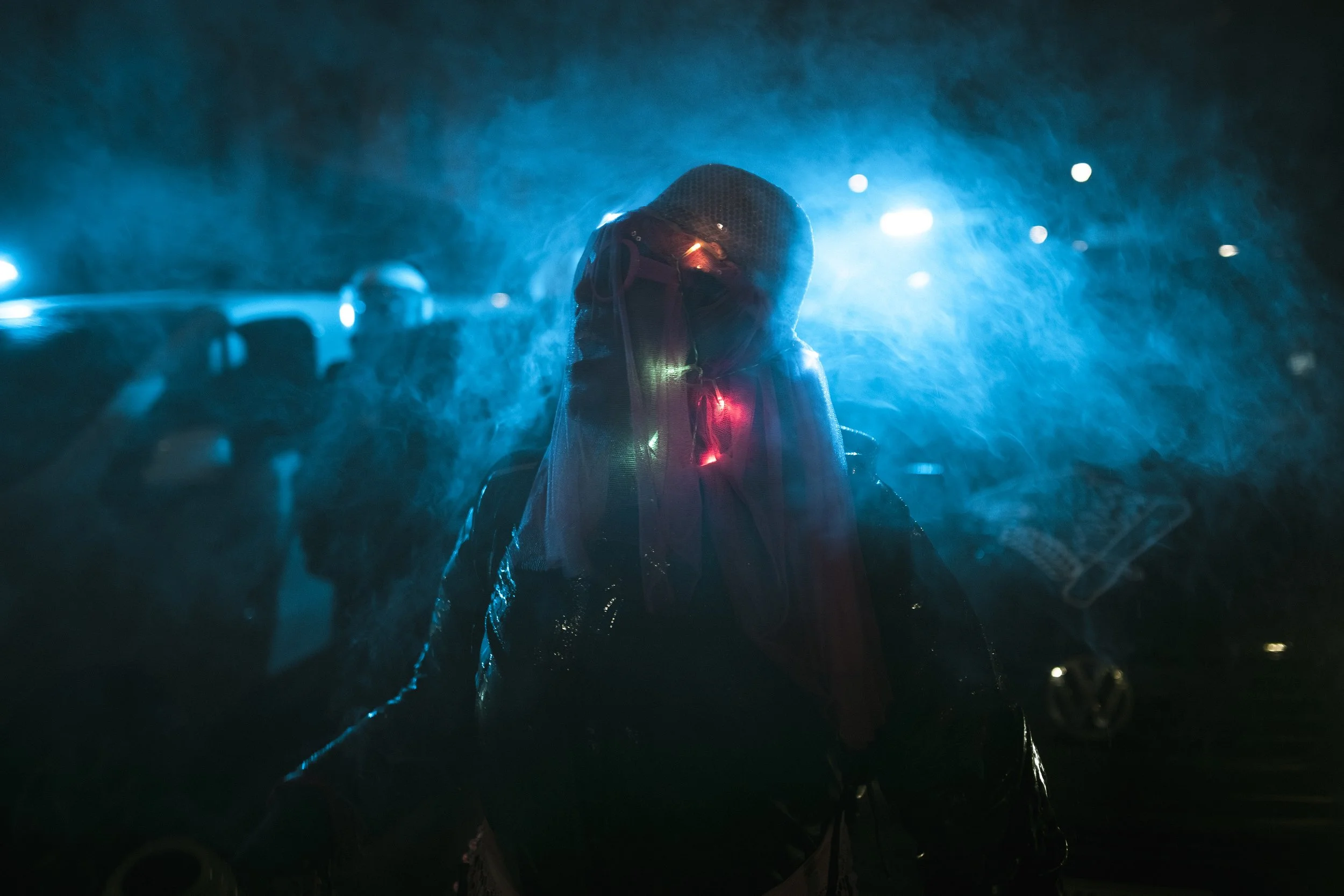
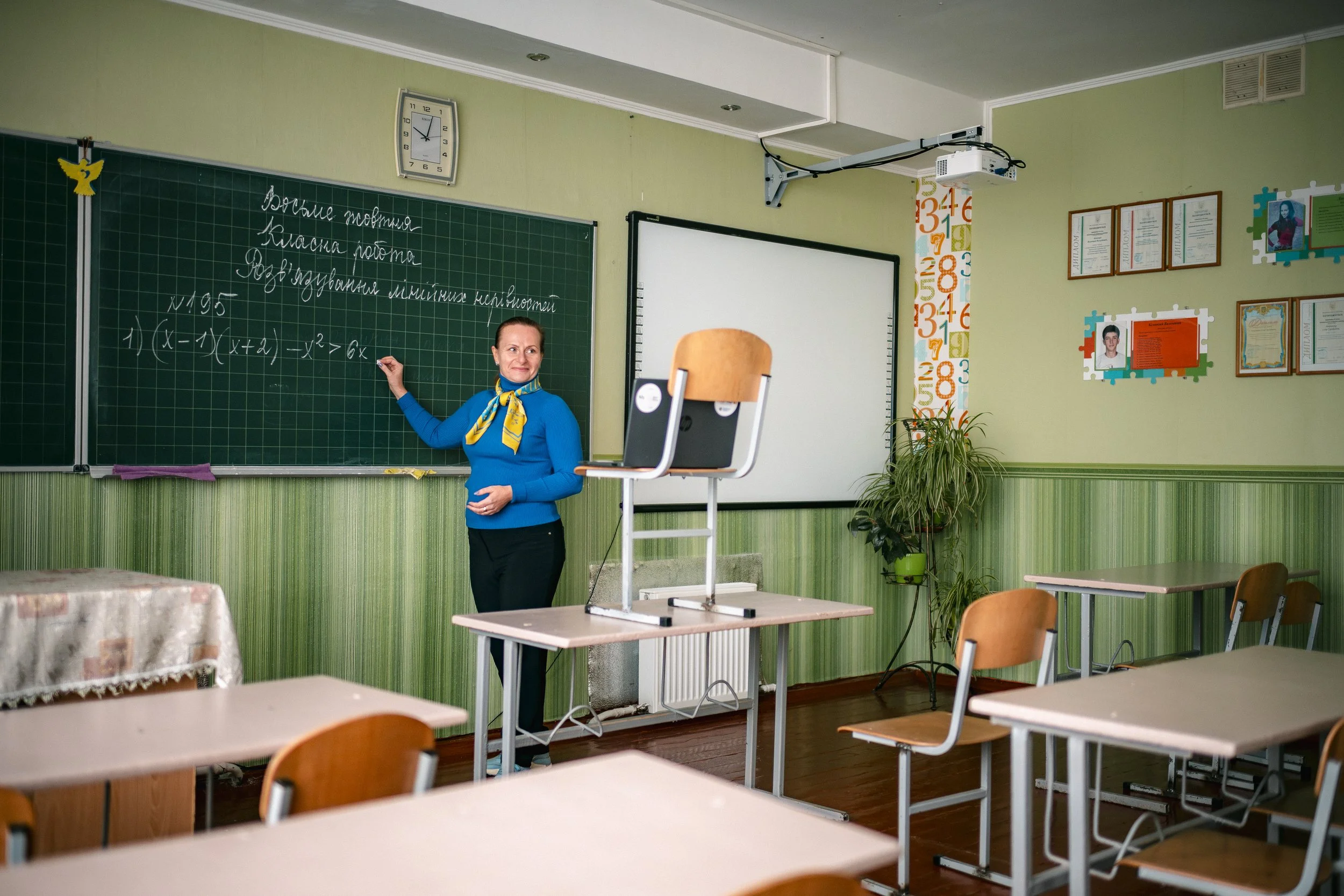
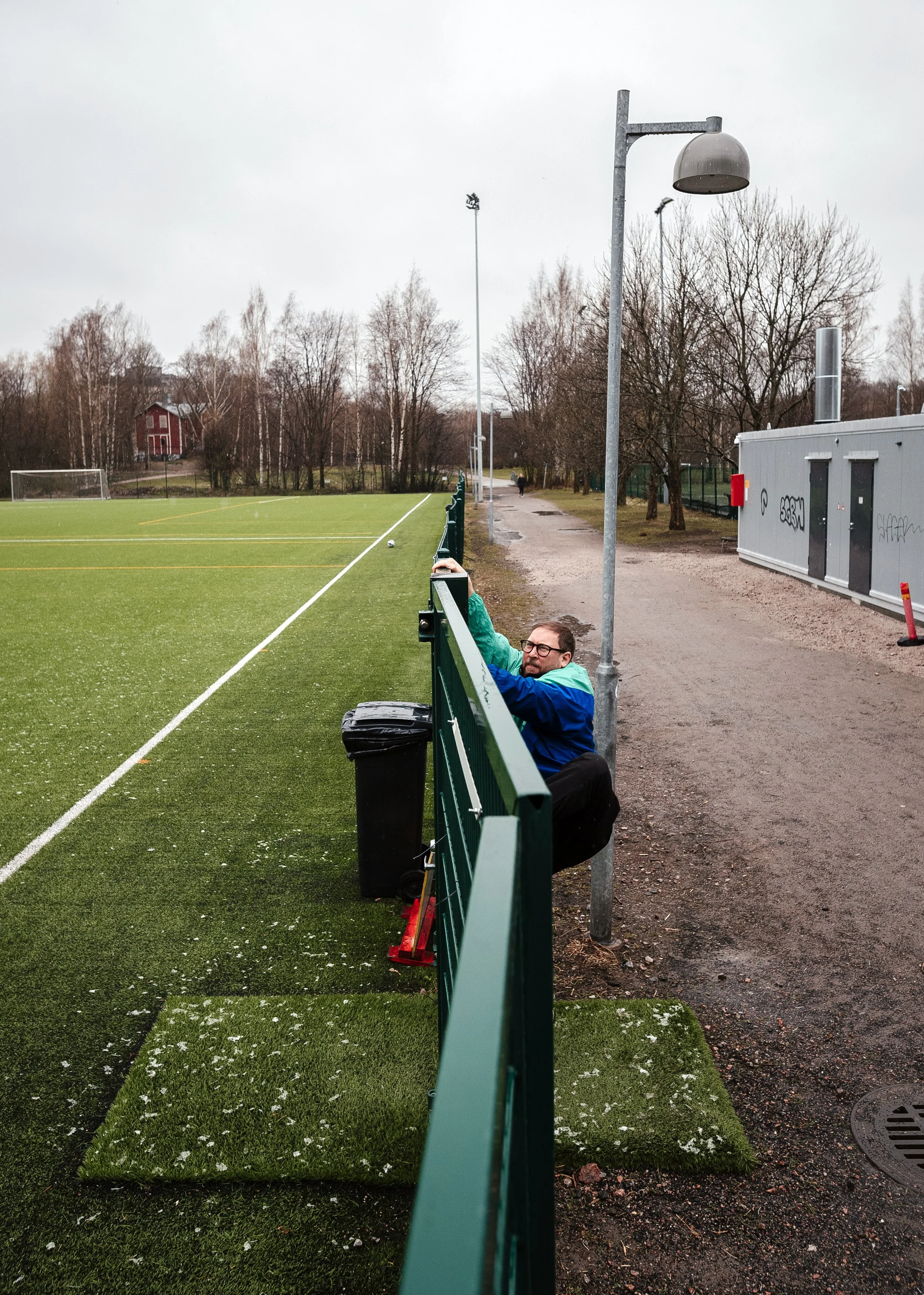
Look at how they photograph people. Do the pictures feel carefully constructed or observational? Formal or loose? Quiet or energetic? How do they use light? What kinds of situations or themes seem to interest them?
Subject-matter experience can matter. Some assignments benefit from a photographer already knowing how a particular environment works — whether that is parliament, a conflict zone, a courtroom or a sports event. Familiarity can save time and help the photographer anticipate situations.
But a photographer does not necessarily need to have done the exact same kind of assignment before. Someone who has never photographed this particular type of story or setting may still be the right choice if their way of looking at people and situations fits what you want from the story.
And once you have chosen someone because you like the way they work, it makes sense to let them work that way.
Hiring one photographer and then asking them to reproduce somebody else’s pictures rarely brings out the best in anyone.
Brief the story, not the photograph
A good photography brief can be very short.
I want to know the basic practical details, of course. But I also want to know something that is sometimes strangely absent from photography briefs:
What is the story actually about?
If there is a written story, tell me its angle. If there is an interview, tell me what you are interested in. Since you already know what makes this person or situation worth covering, tell me that too.
The photographer and writer should ideally be making the same story.
This doesn’t mean writing an elaborate visual treatment. In fact, detailed instructions about the photograph can often be less useful than a few sentences explaining the journalism.
Consider the difference between:
The story follows a reforestation project several years into the work, asking what it means to try to restore a landscape that may take decades to recover.
and:
Photograph the subject holding a sapling and looking into the camera. Photograph them planting and watering it, then standing beside the planted sapling. If possible, photograph them with trees planted earlier.
The first gives the photographer something to think about.
The second gives the photographer something to execute.
There are perfectly legitimate reasons to specify what you need. If the magazine needs a vertical opening image, tell the photographer. If the website requires horizontals, say so. If the assignment is for a cover, there may be very specific requirements for composition.
But format requirements and visual ideas are not quite the same thing.
I would much rather know the problem I am supposed to solve than be given the solution before anyone has seen what is actually possible.
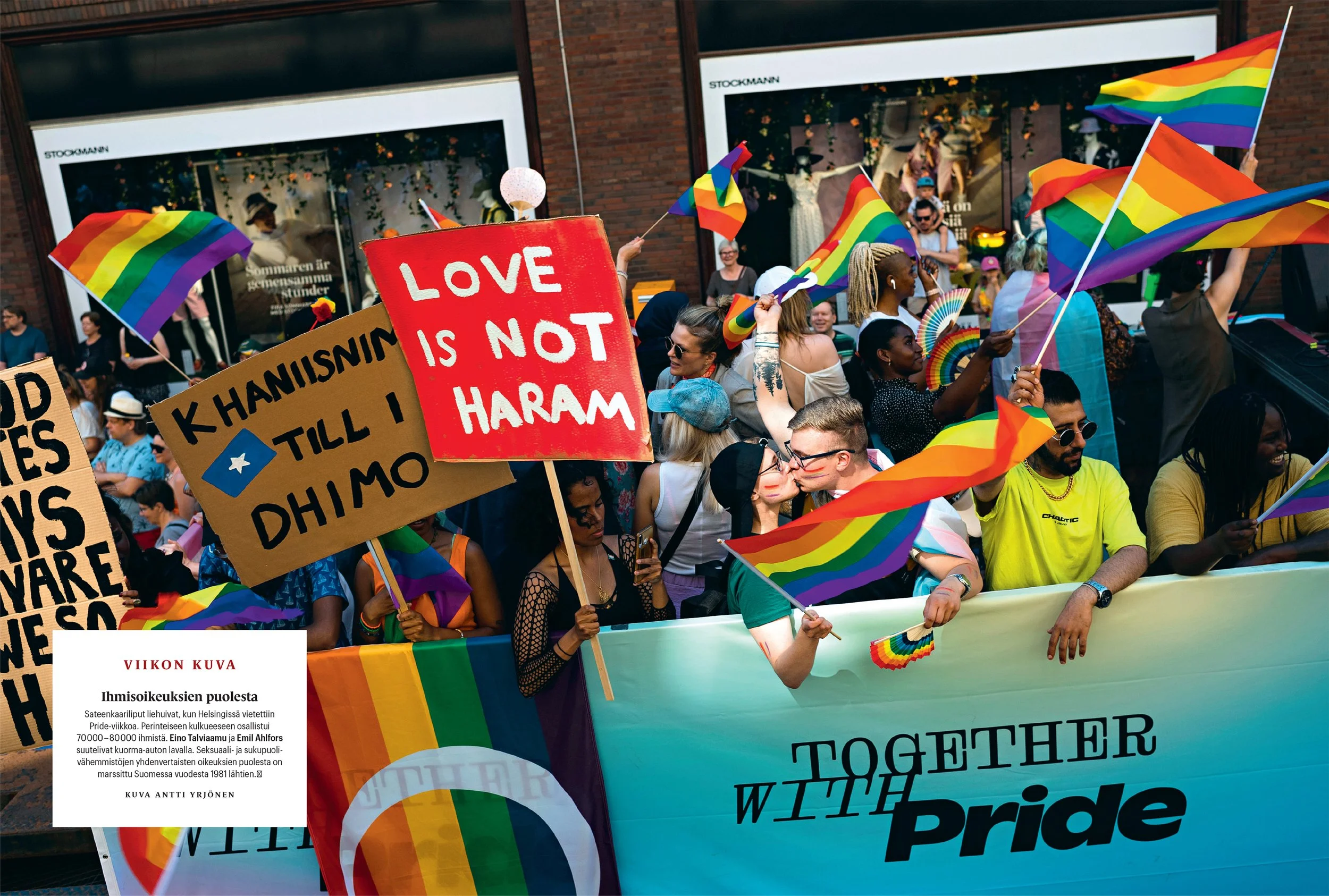
Suomen Kuvalehti, issue 27/2022. My photograph from Helsinki Pride was featured as the magazine’s Image of the Week. An estimated 70,000–80,000 people took part in the Pride march. Pictured, Eino Talviaamu and Emil Ahlfors kiss on the back of a truck.
Access matters
Having an appointment to make a portrait isn’t necessarily the same thing as having access to the story.
The person doing the interview and the photographer may also need quite different things. An interviewer often wants somewhere comfortable and reasonably quiet where they can sit down and talk without interruptions. For a photographer, that same meeting room may be the least interesting place available.
If I have five minutes with somebody there, I can make a portrait. Sometimes that is exactly what the assignment requires. But if the story is about somebody’s work, life or environment, being able to see some of it usually opens many more possibilities.
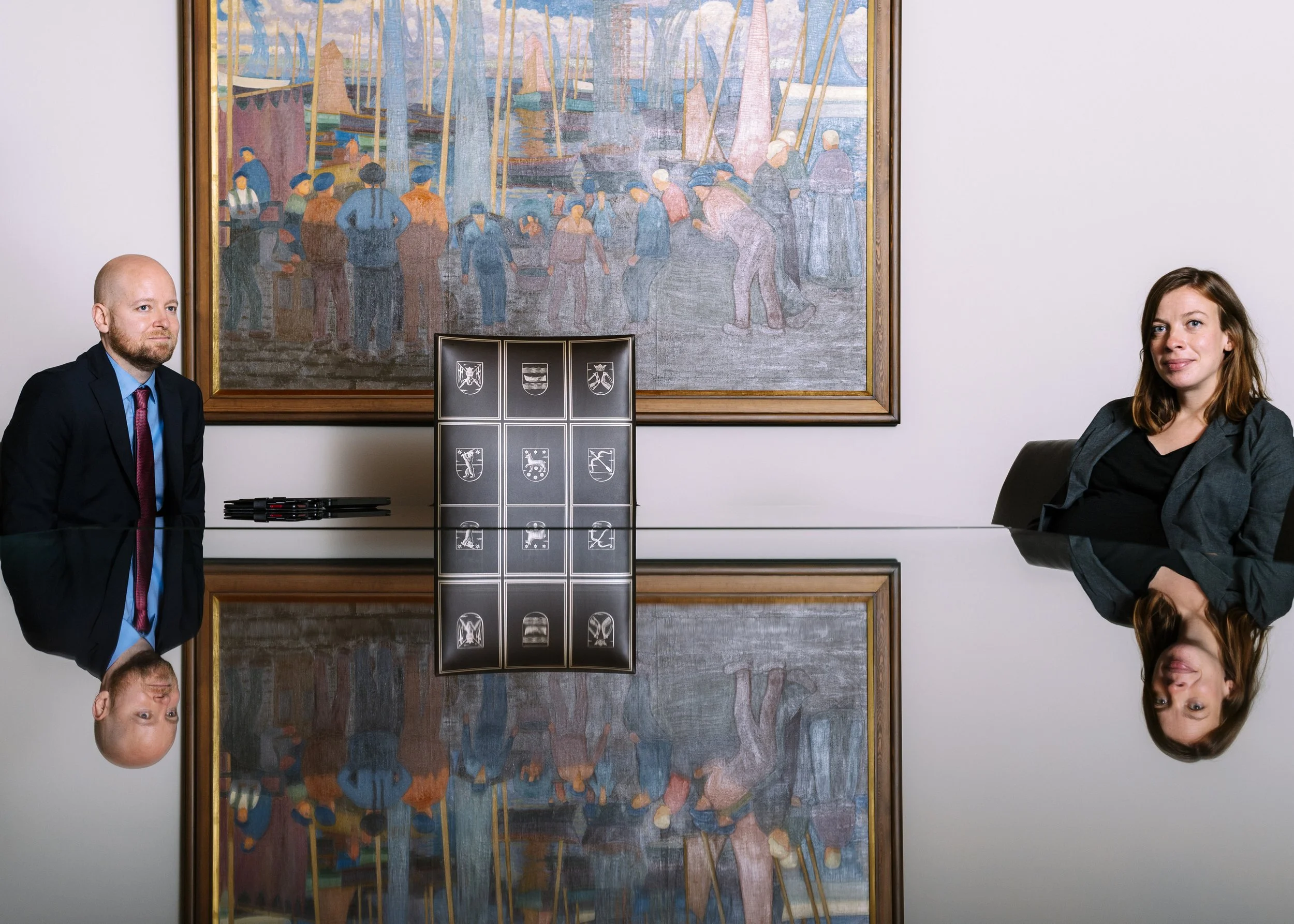
Helsingin Sanomat, 10 December 2020. Education Minister Li Andersson, who was about to begin parental leave, and Jussi Saramo, who would take over as minister during her absence, photographed in the Government’s main meeting room at Parliament House in Helsinki.
Can the photographer spend time with the person before or after the interview? Can they see them doing the thing the story is about? Can they move around the location? Can the photographer contact the subject directly to arrange a sensible time or discuss what might be possible?
If both an interview and photographs are being made on the same visit, it is worth planning for both rather than assuming the same setting works equally well for each.
Those things can matter much more than an elaborate shot list.
Photography depends on what actually happens in front of the camera. The more barriers there are between the photographer and the story, the narrower the possibilities become.
This is especially important in photojournalism and documentary work. A photographer is not only looking for a nice background. We are gathering information visually.
Sometimes the most important thing I learn on an assignment comes from talking to the person I am photographing. Sometimes I notice something while waiting. Sometimes a location that sounded uninteresting becomes essential to the story once I see it.
Good access allows those things to happen.
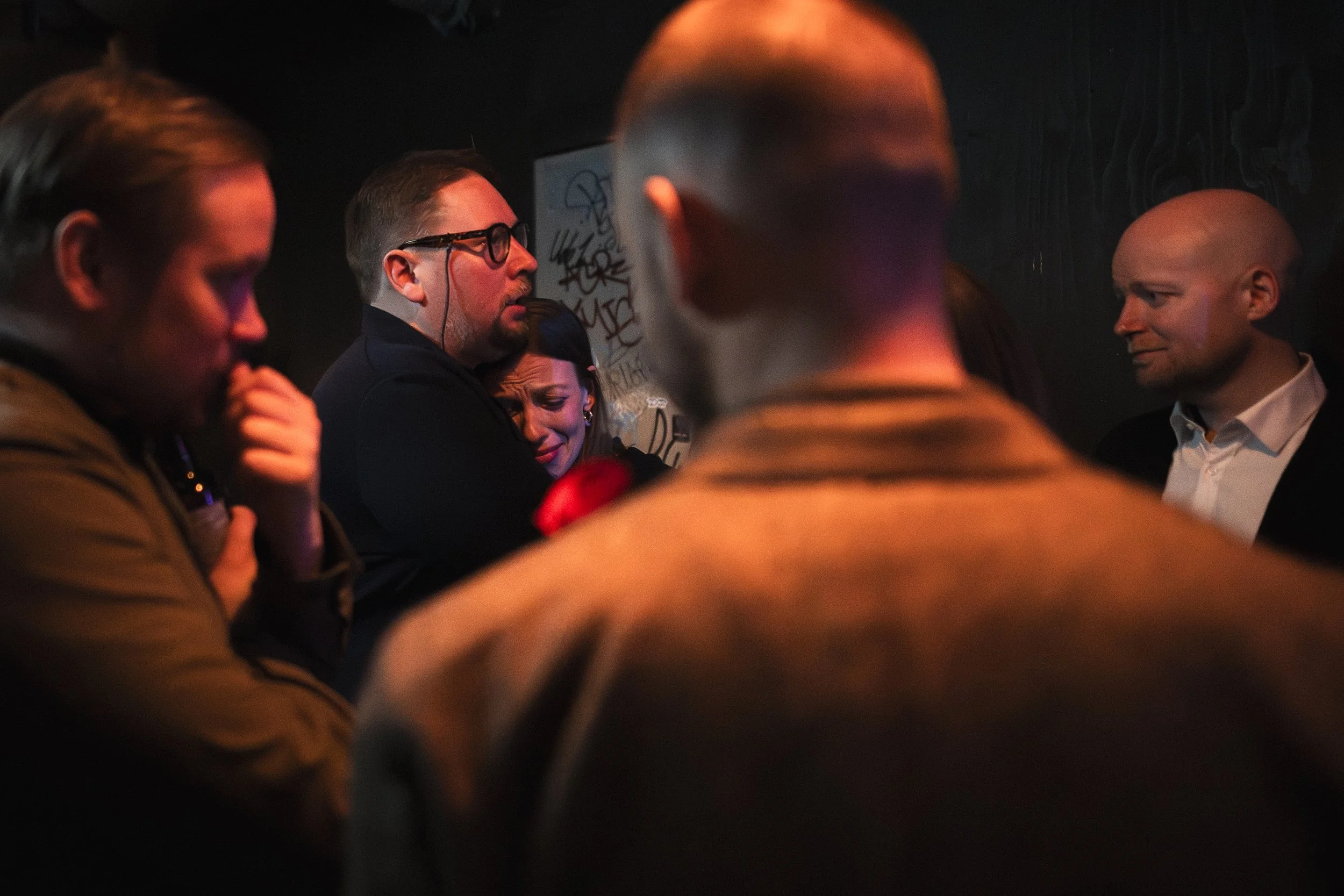
Photographed for Kansan Uutiset. Former Left Alliance chair Paavo Arhinmäki embraces party chair and Education Minister Li Andersson as parliamentary group leader Jussi Saramo looks on at the party’s election-night gathering in Helsinki on 2 April 2023. The Left Alliance lost five seats in the parliamentary election. News Photo of the Year 2023.
Give enough information. Then leave some space.
One reason I am wary of very detailed visual plans is that reality has an annoying habit of ignoring them.
The location looks completely different from the photographs online. The room you expected to use is occupied. It starts raining. The subject arrives late. The sun is on the wrong side of the building. The person you imagined sitting quietly behind a desk turns out to be incapable of sitting still.
Or something far better than the original idea appears.
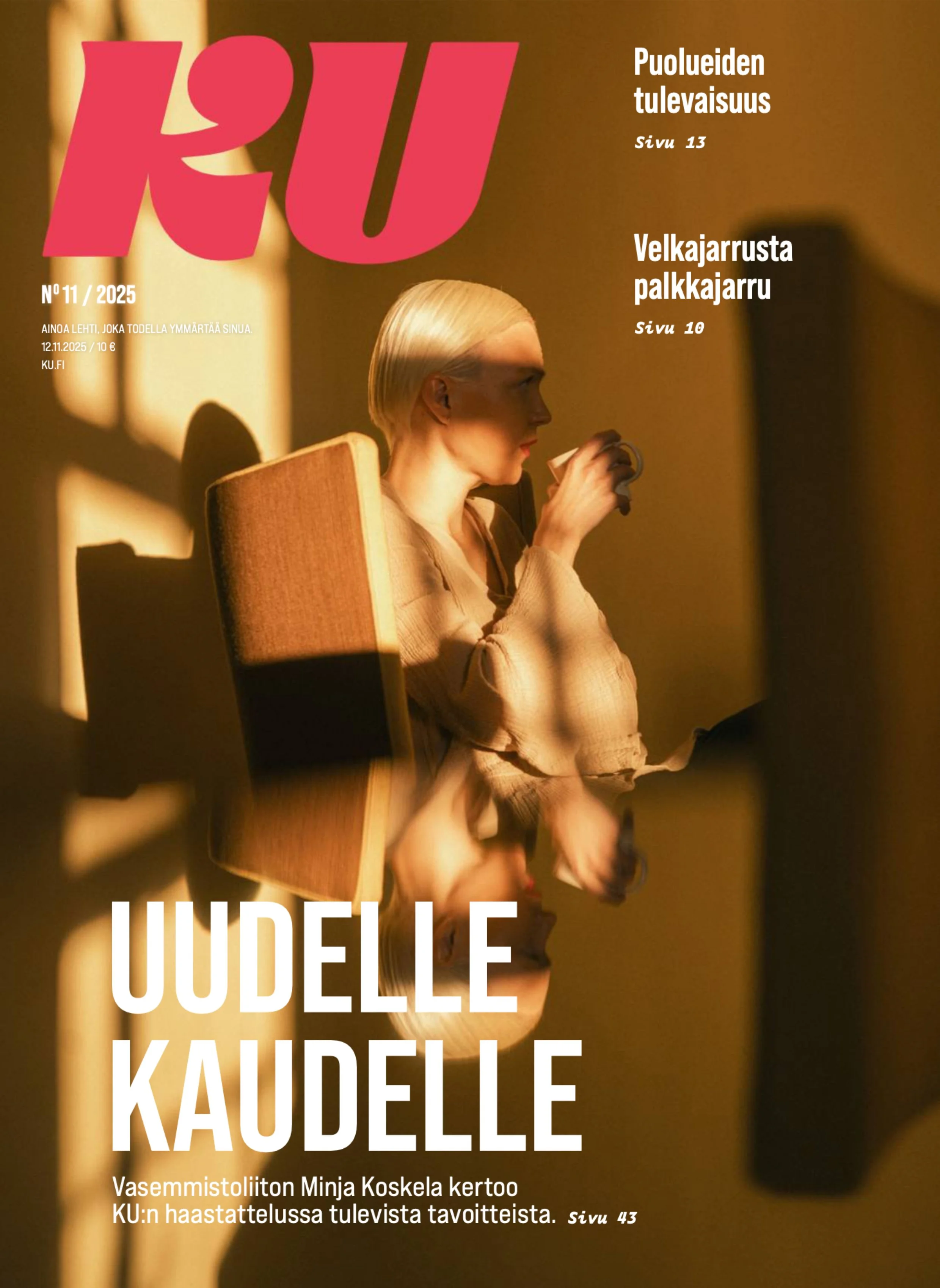
Minja Koskela, six days after her election as chair of the Left Alliance, in the Yellow Salon of the Parliament House. Helsinki, October 2024.
I once photographed politician Minja Koskela for a magazine cover in the Yellow Room of the Finnish Parliament. There wasn’t an elaborate visual concept beforehand. When we arrived, there happened to be beautiful light in the room, so I built the photograph around what was actually there.
That is a very ordinary example of something photographers encounter constantly: the best picture idea often appears only when the photographer, the person and the place finally meet.
A photographer standing in the room always has information that someone commissioning the assignment from somewhere else simply doesn’t have.
This is where trust becomes useful.
Trust doesn’t mean saying do whatever you want and providing no information. It means being clear about what the story and layout need, then giving the photographer some responsibility for deciding how to get there.
More freedom also means more responsibility. If I’ve been trusted to solve the visual problem myself, I have fewer excuses for bringing back something uninteresting.
We only need one picture doesn’t necessarily mean less work
This comes up surprisingly often.
A publication has a small photography budget, so the assignment is described as easy: we only need one photograph.
But delivering one good photograph can involve almost exactly the same process as delivering several.
The photographer will still need to deal with the client and the brief, research the assignment, coordinate with the subject, travel, establish some trust, work out the pictures, photograph, edit, caption and deliver the material — and then take care of invoicing, follow-up and all the other administrative work around the assignment.
The number of photographs eventually published tells you very little about how much work the assignment involved.
There are much more effective ways to make an assignment efficient.
Do the necessary background work before commissioning it. Give the photographer the correct contact details. Let them arrange the exact photography time directly with the subject when that makes sense. Avoid five people sending instructions through three different channels. Give a realistic delivery deadline.
In other words: remove unnecessary work rather than unnecessary ambition.
If budgets are tight — and editorial budgets very often are — I would rather spend less time coordinating an assignment and more time photographing it.
The result is better for everyone.
A photographer is part of the reporting
This is particularly important when commissioning a photojournalist.
I don’t think of my job as arriving after the journalism has already happened and producing the visual decoration for it.
If I’m photographing somebody without the writer present, I will usually talk to them about the story. I want to understand what is happening. I ask questions. I listen.
Partly this simply makes photography easier. People behave differently when there is an actual interaction rather than somebody silently pointing a camera at them.
But it also affects what gets photographed.
A photographer might notice a contradiction that wasn’t apparent from the brief. The person being photographed might mention something else that matters to the story. Something in the environment may turn out to explain the subject better than the planned portrait ever could.
Sometimes the photographer will find a picture nobody had anticipated. Sometimes they may notice another part of the story.
That is part of what you are paying for.
A professional photographer should, of course, be able to make a sharp, correctly exposed photograph. But that is a bit like expecting a reporter to know how to spell: essential, yes, but hardly the main criterion for commissioning them.
Much of the job is deciding what is worth showing and how to show it.
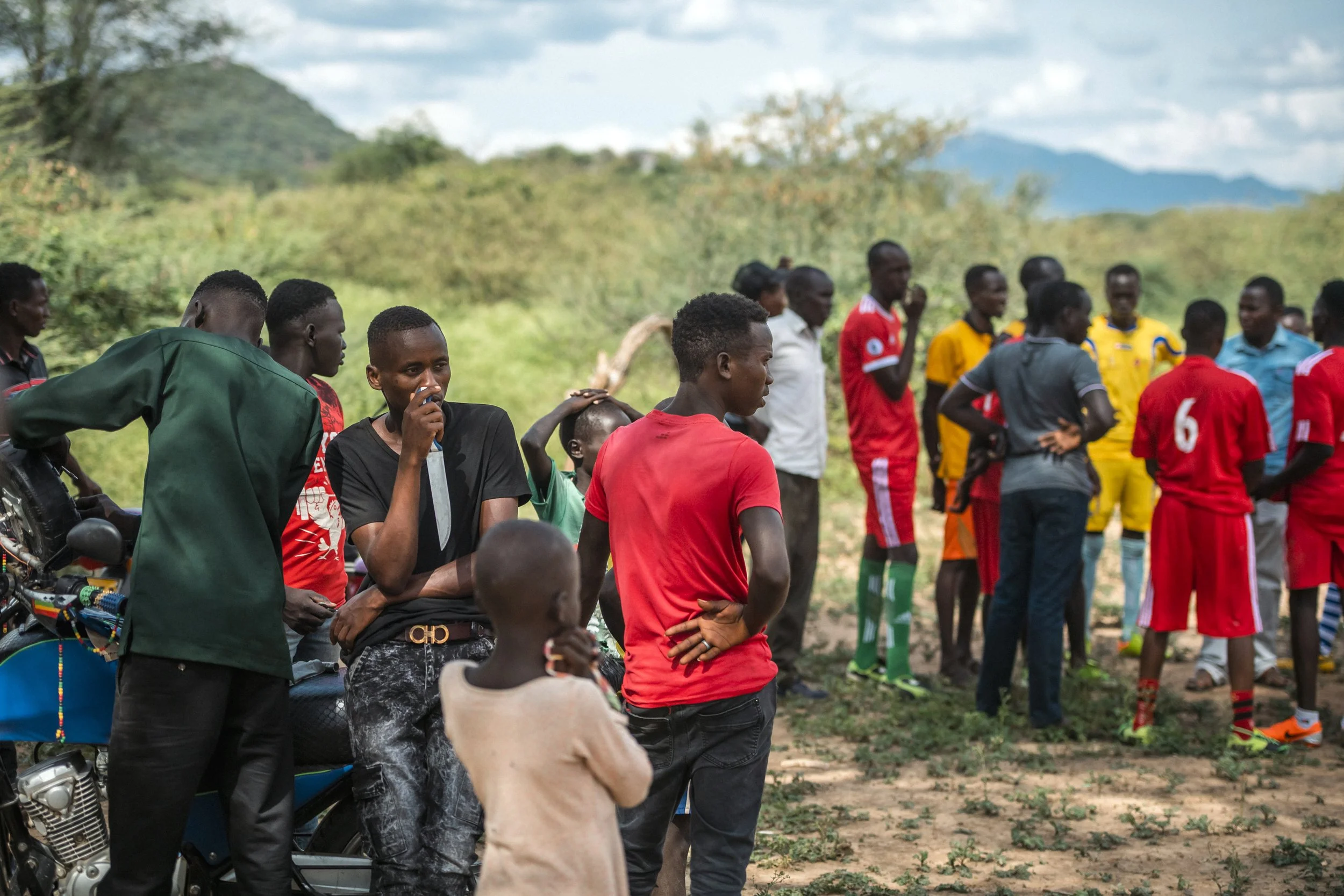
Young men from neighbouring Marakwet arrive in Baringo for a friendly football match in Kenya’s Kerio Valley, where football is being used to bring communities together amid a long-running cycle of cattle rustling and violence. Photographed for Tekoja.
Keep the practicalities clear
A surprising amount of professional photography is logistics, so it helps when the basics are settled early.
For most straightforward editorial assignments, I want to know what the story is about, who I am photographing, where and when, what access has been arranged, where the pictures will be used, what formats or deliverables are essential, when they are needed, and what has been agreed about fee, expenses and usage.
That can be a very short brief. A twenty-minute portrait does not need six pages of instructions. A complicated assignment involving several locations, vulnerable people or difficult access might need more than an address sent ten minutes before I leave.
The important thing is not the length of the brief, but whether it gives the photographer enough context to understand the story and enough practical information to complete the assignment properly.
Creative freedom works best when the non-creative parts are clear. Requirements such as an essential vertical, same-day delivery, captions or exclusivity should not appear as surprises afterwards.
There may always be surprises on an assignment. The terms of the assignment do not need to be among them.
And then: tell the photographer what happened
Photographers receive surprisingly little feedback.
Often the assignment arrives, the photographs are delivered and that is the end of the conversation.
No news is usually assumed to mean that everything went fine.
But useful feedback doesn’t need to be an elaborate critique. This worked really well. We particularly liked this frame. We struggled to fit these into the layout. Next time we’d love a little more of this.
Even sending the photographer the finished article is valuable.
Feedback does more than make somebody feel good about their work. It makes future assignments easier.
Over time, the photographer learns what the publication responds to. The editor learns where the photographer is strongest. Both develop a shared visual language.
Eventually this can reduce the amount of briefing needed.
That, to me, is one of the signs of a good commissioning relationship.
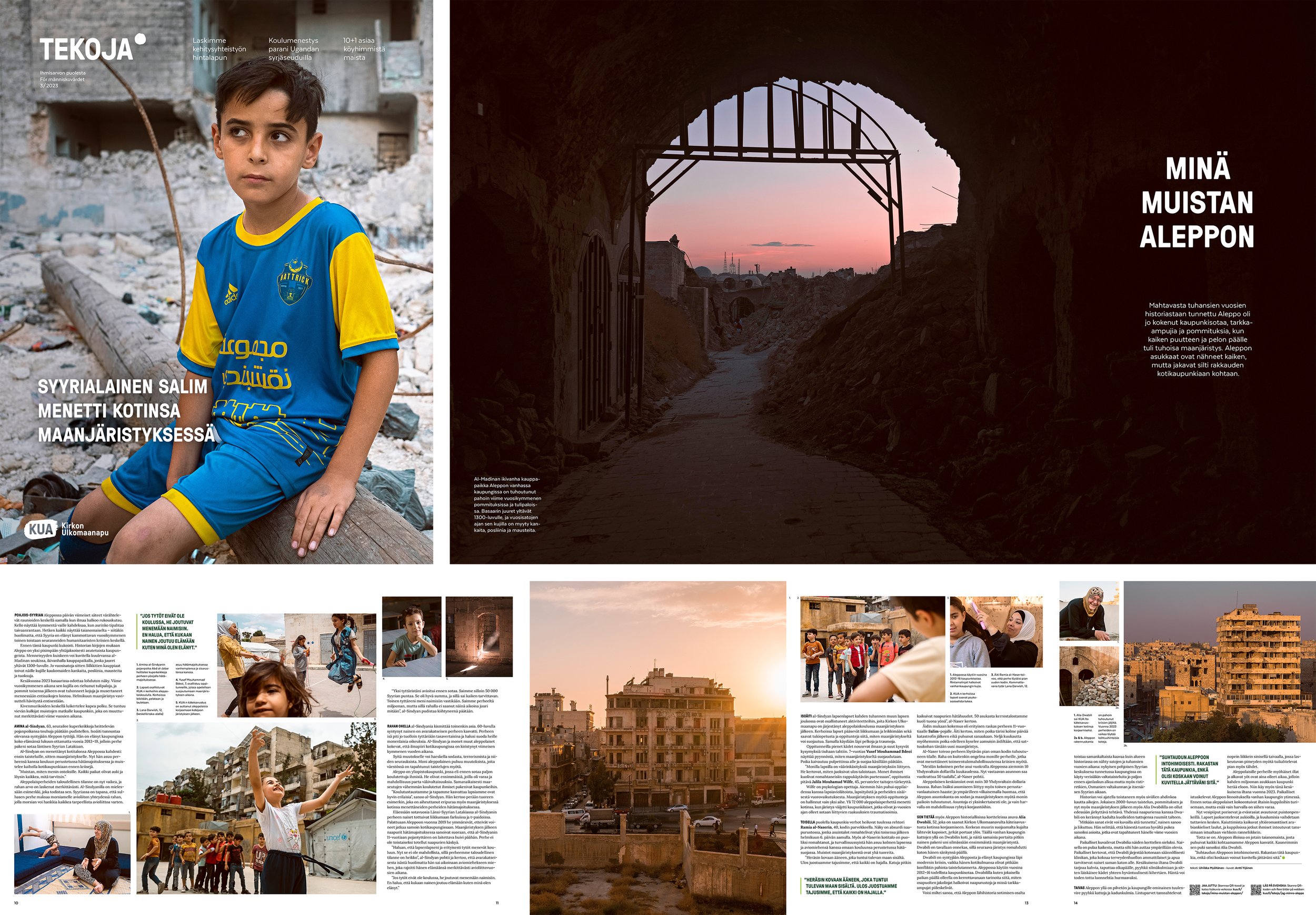
Tekoja, issue 3/2023. Cover and feature from Aleppo, Syria, four months after the February 2023 earthquake.
Commission the thinking
A photographer should of course be reliable. Deadlines matter. Captions matter. Professional behaviour matters. The photographs need to work for the story, the design and the publication rather than merely satisfying the person who made them.
Trust goes both ways.
But if you have found a photographer whose work you like, explained what the story is, arranged reasonable access and agreed on the practical requirements, there is one more useful thing you can do:
Give them room to be a photographer.
The goal isn’t necessarily to receive exactly the photograph you imagined while commissioning the assignment.
Ideally, the photographer brings back something you couldn’t have imagined from the desk.
That is the point of commissioning them in the first place.
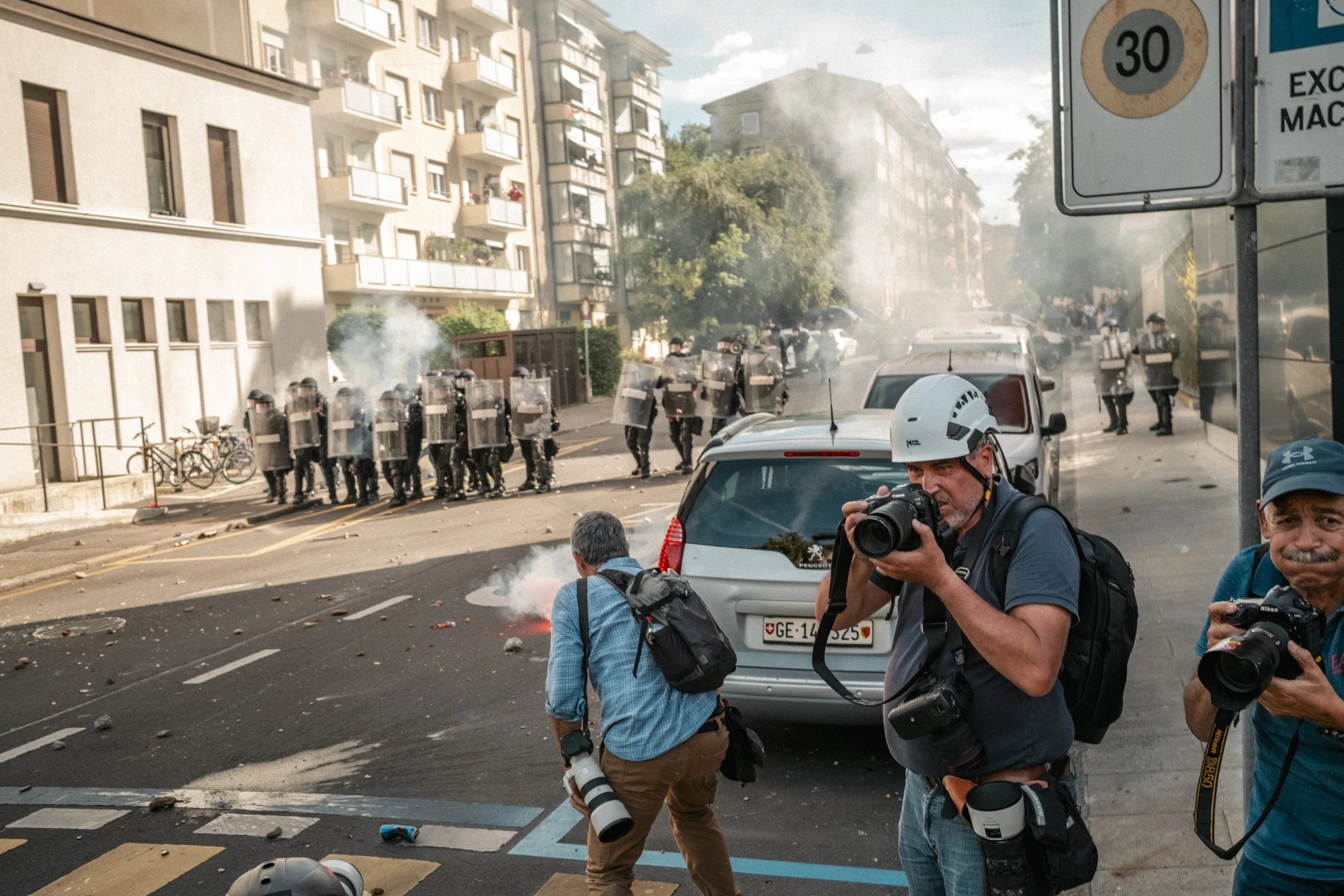
Press photographers work amid clashes between demonstrators and riot police during the No G7 protest in Geneva, Switzerland, on 14 June 2026.
This piece is based in part on a talk I gave at Aikakausmedia’s Magazine Symposium in November 2025, ‘Luota kuvaajaan – parempia kuvia vähemmällä säädöllä’ (‘Trust the photographer – better pictures with less hassle’). Aikakausmedia also published a short summary of the talk in Finnish: Miten aikakauslehteen saadaan parhaat mahdolliset kuvat? Antti Yrjönen jakaa vinkit kuvien tilaajalle.